

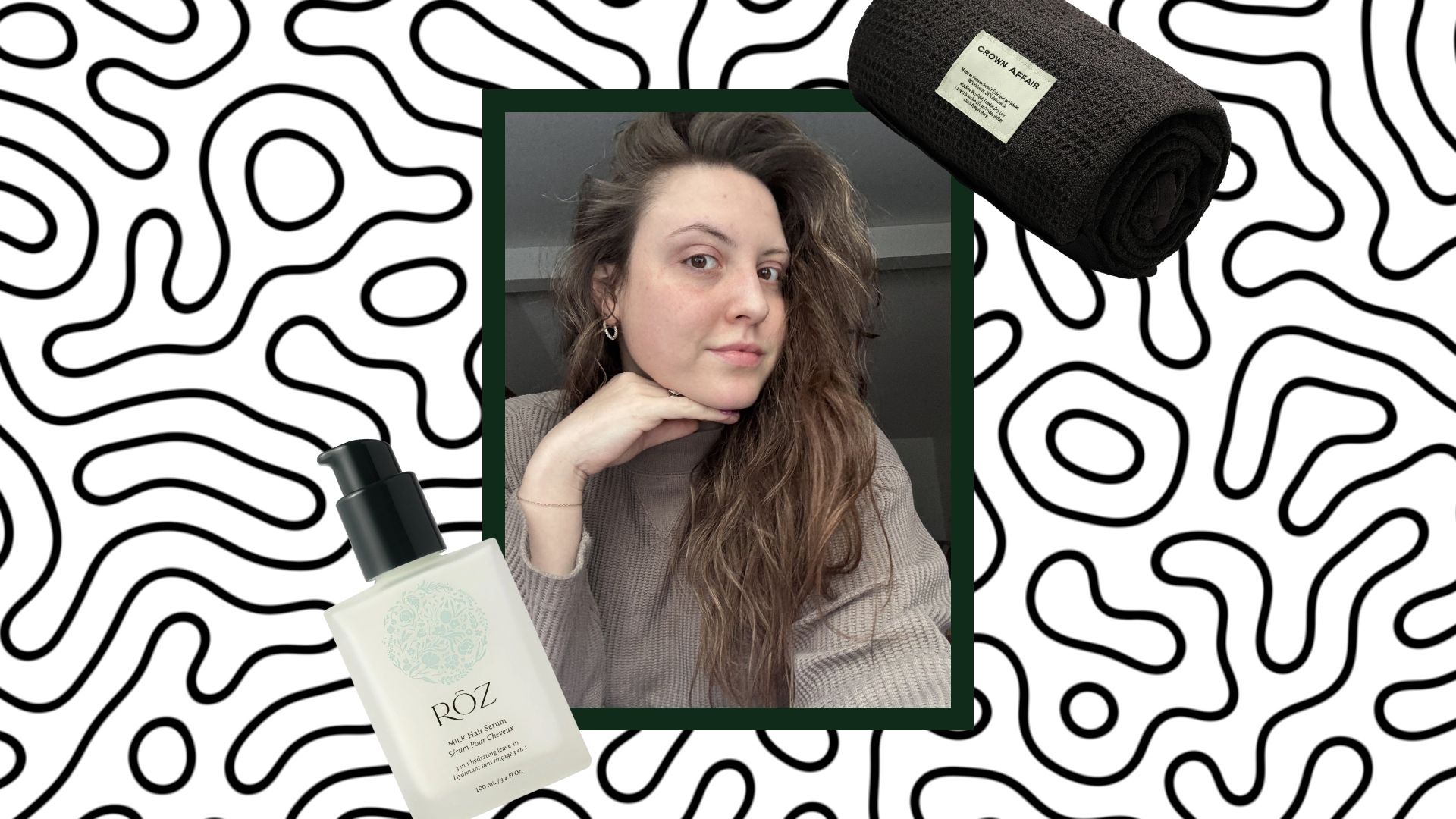
Fine hair can be brilliantly versatile—quick to dry, easy to restyle, and often naturally soft—but it can also be frustratingly quick to fall flat, especially if you’re trying to coax out volume and waves without reaching for hot tools. The latest wave of “air-dry only” routines (popularised by beauty editors and busy salon clients alike) has put the spotlight back on technique: how you wash, condition, remove water, and set your hair while it dries matters just as much as what you put on it.
Based on the widely shared approach of keeping things “super simple” (and heat-free), this article breaks down a practical no-heat routine for fine hair that aims to deliver lift at the roots and soft, believable waves—without crispness, greasiness, or that weighed-down feeling fine hair is prone to. Consider it a stylist-informed framework you can adapt to your own texture, density, and lifestyle.
Why fine hair needs a different air-dry strategy
When we talk about “fine hair”, we’re usually describing strand thickness (individual hairs are small in diameter), not how much hair you have overall. You can have fine hair with lots of density—or fine hair that’s also sparse. Either way, fine strands tend to:
- Hold onto water differently—they can dry quickly on the surface while staying damp at the roots, which can flatten lift as it evaporates.
- Show product build-up sooner—heavy creams, oils, and rich leave-ins can collapse shape.
- Lose volume with friction—rough towel drying, over-brushing, or fiddling while drying can disturb the wave pattern you’re trying to set.
Many UK stylists will tell you the best “volume product” for fine hair is often a combination of lightweight formulation and smart handling. If you prefer air-drying, you’re essentially using time and placement (how the hair sits as it dries) as your styling tool.
The no-heat routine: lightweight volume + natural wave definition
The aim is simple: cleanse thoroughly, condition strategically, then encourage lift and bend while the hair is still wet enough to set—but not so wet that it takes hours to dry and collapses under its own water weight.
-
Cleanse the scalp properly (not the ends)
Fine hair looks its most voluminous when the scalp feels fresh. Concentrate shampoo at the roots and scalp, then let the foam rinse through the lengths. If you’re an every-day washer, use a gentle cleanser; if you wash less frequently, you may benefit from a slightly more clarifying wash occasionally to remove styling residue. -
Condition from mid-lengths to ends—then rinse well
Conditioner is essential for slip and softness, but on fine hair it’s easy to overdo. Apply only where you need it (usually from around ear level down). Rinse until your hair feels silky but not coated. If your roots get oily quickly, avoid applying conditioner near the scalp. -
Remove water with a microfibre towel or cotton T-shirt
This is where many air-dry routines win or fail. Instead of vigorous rubbing, gently squeeze and “press” water out. Less friction means less frizz and more consistent wave pattern. Your hair should be damp, not dripping. -
Use a lightweight leave-in (and keep it minimal)
If you need it, choose a mist or very light leave-in for detangling—then comb through with a wide-tooth comb. Thick creams can flatten fine hair. Start with a small amount; you can always add more, but you can’t easily take it out once applied. -
Add mousse or a weightless styler at the roots
For volume without heat, many pros favour airy texture products (like mousses or foams) because they add structure as hair dries. Work a small amount into roots and through mid-lengths, then use your fingers to encourage lift. -
Create waves by setting the shape while damp
For “perfect waves” without hot tools, you need a gentle set. Two reliable options:- Twist-and-clip method: Part hair as usual, twist each side away from the face, and clip it up (soft claw clips work well). Leave until mostly dry.
- Loose braids: Create one or two loose braids, secured softly. This gives an even bend without tight, crimped lines.
-
Finish with a root lift reset
Once fully dry, flip your head upside down and shake gently at the roots with fingertips. If you need extra bounce, a tiny spritz of lightweight texturising spray at the roots (not the ends) can help.
Real-world practicality: If you’re short on time, do the “setting” step for just 15–20 minutes while you get ready, then take clips/braids out and let the remaining dampness air-dry naturally.
Common mistakes that flatten fine hair (and how to avoid them)
Fine hair usually doesn’t need a complicated wardrobe of products—it needs fewer products used more precisely. These are the slip-ups that most frequently sabotage no-heat volume:
- Over-conditioning: If your waves disappear by lunchtime, reduce conditioner amount or switch to a lighter formula.
- Applying styling products on soaking wet hair: Product can over-dilute and slide off, leaving uneven hold. Aim for damp hair after towel-pressing.
- Touching while drying: The more you fuss, the more you disturb the natural wave pattern and encourage frizz.
- Too much oil: Hair oils can be wonderful, but fine hair often needs them only on the very ends—if at all.
- Ignoring scalp build-up: If roots feel heavy, consider a periodic clarifying wash. If you have persistent itch, flaking, or discomfort, dermatologists often suggest checking in with a pharmacist or GP to rule out underlying scalp conditions.
How to tailor the routine to your fine-hair type
“Fine hair” is broad. Making small tweaks based on your hair’s behaviour will get you better results than chasing a single “perfect” method.
- If your hair is fine and straight: Focus on root lift (mousse/foam) and choose a loose set (two twists clipped up). Avoid heavy smoothing creams.
- If your hair is fine with a natural wave: Use a lighter leave-in and encourage clumps by gently scrunching. Consider “micro-plopping” (briefly wrapping hair in a T-shirt for 5–10 minutes) to reduce drip without crushing texture.
- If your hair is fine but dense (lots of it): You may need sectioning—two to four twists instead of one—so the inner layers dry properly and don’t flatten underneath.
- If your roots get oily quickly: Keep conditioners and rich stylers strictly off the scalp. Make sure you rinse thoroughly, especially at the crown.
In UK salon terms, if you’re consistently battling flatness, it can also be worth asking your stylist whether a subtle shape (like soft long layers) could help support movement without sacrificing fullness.
Key Takeaways
- Fine hair benefits from lightweight products and low-friction drying to maintain volume.
- For no-heat waves, set the shape while damp (twists with clips or loose braids) and disturb it as little as possible.
- Press water out with a microfibre towel or cotton T-shirt—avoid rough towel rubbing.
- Condition strategically (mid-lengths to ends) and rinse well to prevent root collapse.
- Your next step: try this routine on your next wash day, taking notes on water level (damp vs wet) and product amount—those two variables make the biggest difference.
Frequently Asked Questions
Can fine hair really hold waves without heat?
Yes—many people with fine hair can hold a soft wave if it’s set while damp and allowed to dry with minimal disturbance. The key is a lightweight styler plus a simple setting technique (twists, clips, or loose braids).
What’s the best way to add volume to fine hair without blow-drying?
Prioritise scalp cleansing, avoid heavy conditioner near roots, press-dry with a microfibre towel/T-shirt, and apply a small amount of mousse or foam at the roots. Letting hair dry with the roots lifted (clipped up at the crown) can also help.
Should I brush fine hair while it’s drying?
Generally, no. Brushing while drying can pull out wave pattern and increase frizz. Detangle in the shower or on damp hair with a wide-tooth comb, then leave it alone.
Why does my fine hair look greasy after air-drying?
Common causes include too much leave-in product, conditioner applied too high up, or insufficient rinsing. Try using less product, keeping conditioning to the ends, and ensuring your scalp is thoroughly cleansed.
Do texturising sprays damage fine hair?
Texturising sprays can be drying if overused. Use sparingly at the roots, and balance with gentle cleansing and conditioning. If your scalp becomes irritated or flaky, consider reducing frequency and seeking professional advice.
Explore More: Discover related reads from Hairporium — News • Guides • DIYs • Expert Articles.
Learn More: Explore detailed haircare routines and styling tips at Hairporium Guides.


More in Hair guides
A former hairdresser’s double-shampoo tip sparks a bigger question: how often should you wash you...
Vogue spotlights the GHD Speed as a notably fast dryer. Here’s what “fast” really means, which fe...
Winter can be as harsh as summer on your hair. Here’s how experts recommend protecting strands fr...
Prince Harry’s thinning hair has sparked conversation, but research and salon experience show why...
A calm, UK-focused guide to what to do when a salon haircut goes wrong—from requesting a correcti...
A UK-focused, stylist-informed guide to interpreting a 4B hair product trial—what to look for in ...
Androgenetic alopecia is the most common type of hair loss. Here’s what it looks like, what “trea...
Celebrity shine can be decoded: here’s how overnight leave-in care, low-friction sleep habits and...
The soft pixie is the winter short-hair trend that feels modern, flattering and easy to wear. Her...
Hair that never seems to grow past your shoulders is often a length-retention issue, not a growth...
View all hair guides