

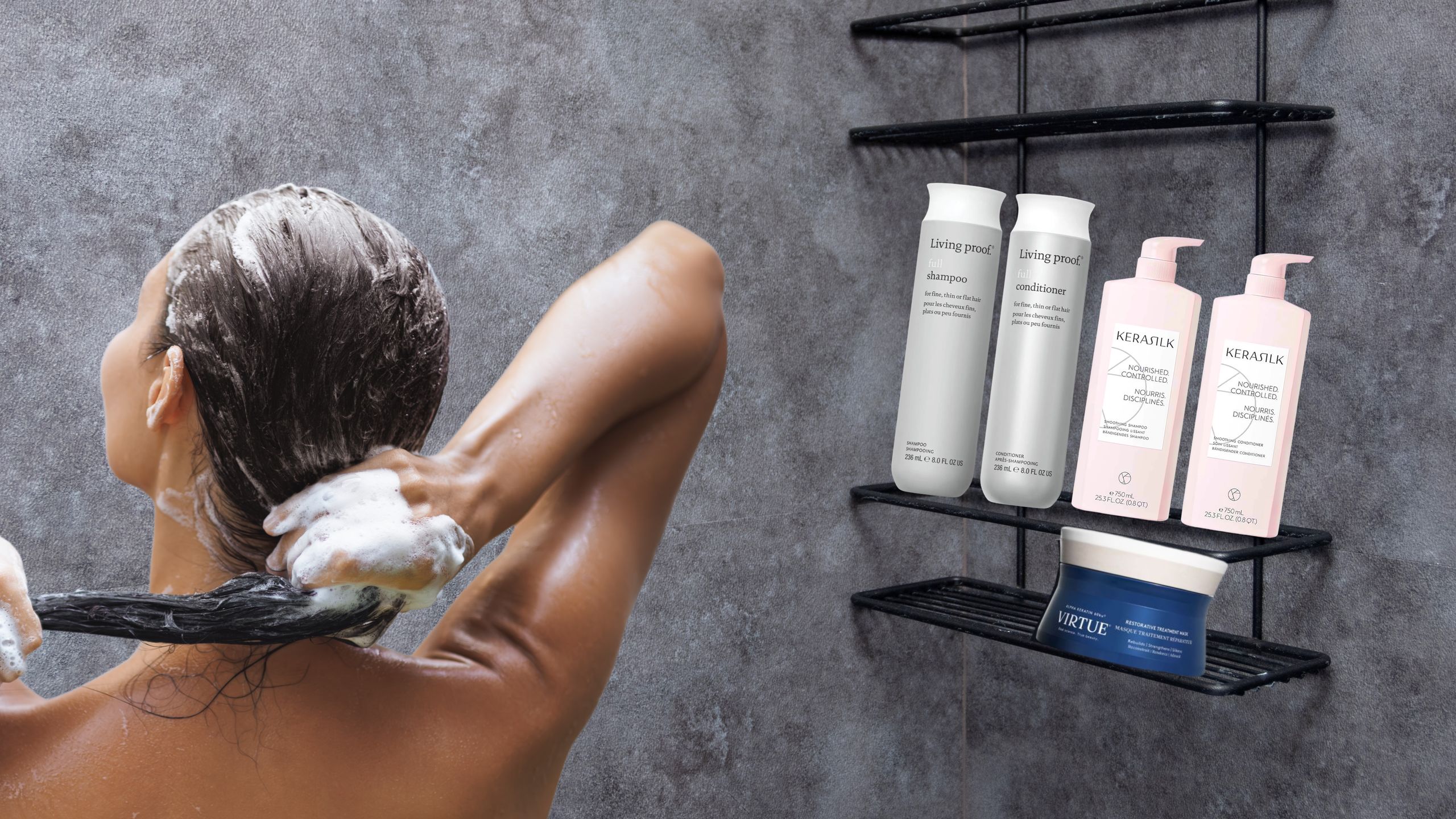
Fine hair has a particular talent for falling flat at the very moment you want it to behave. It isn’t necessarily “thin” (you can have lots of hair strands that are simply finer in diameter), but it can be more easily weighed down by heavy conditioners, rich oils, and certain styling residues. The Marie Claire piece on shampoos and conditioners for fine hair taps into a familiar reality—roots that always need a boost—and it’s a useful springboard for a more practical, UK-focused guide to building volume from the wash routine up.
The good news: you don’t need a complicated overhaul. Many hairdressers will tell you that fine-hair volume is less about one miracle product and more about pairing the right cleanser with the right (light) conditioning strategy, then using technique—where you apply product, how thoroughly you rinse, and how you dry—to lift the root without roughing up the lengths.
Fine hair vs thin hair: why it matters for your wash routine
Before buying anything new, it helps to identify what you’re actually working with. “Fine” describes the thickness of each strand; “thin” describes density (how many strands are on your head). You might be fine-haired with high density (lots of hair that still goes limp) or fine-haired with low density (hair that both flattens and shows scalp more easily).
Fine strands typically have:
- Less structural ‘bulk’ to prop themselves up at the root
- Less tolerance for rich conditioning—the cuticle can be smoothed so much that hair collapses
- More visible oil at the scalp because sebum spreads quickly along a smaller strand
In practice, this means your shampoo choice often matters as much as your conditioner—sometimes more. A cleanser that removes excess oil and build-up effectively (without making lengths rough) can be the difference between light, bouncy hair and a style that deflates by lunchtime.
What to look for in a shampoo for volume (and what to be wary of)
Volumising shampoos are often designed to cleanse thoroughly and leave fewer heavy residues behind. In salon terms, think “clean root, light mid-lengths” rather than “silky at any cost”. That said, overly harsh cleansing can backfire if you’re left with frizz through the ends, or if you respond by over-conditioning.
When scanning labels, many stylists recommend focusing on:
- Lightweight cleansing that targets oil and product build-up (especially if you use dry shampoo or texture sprays)
- Weightless strengthening (fine hair can snap more easily when over-processed or heat-styled)
- Scalp comfort—a healthy-feeling scalp often supports better-looking volume (without making medical claims, it’s worth noting dermatologists often suggest avoiding irritating routines if you’re prone to sensitivity)
What can weigh fine hair down? Not always “bad” ingredients—just the wrong match. Very rich butters, heavy layering oils, and intensely smoothing formulas can be gorgeous for coarse, dry, or textured hair, but may flatten fine hair at the root.
Real-world tip you can do next: if your roots go greasy quickly but your ends feel dry, try a “two-conditioner” approach: a very light conditioner near the crown (or skip entirely) and a more moisturising one only from mid-lengths to ends.
Conditioner strategy: the quickest route to lift without frizz
Conditioner is usually where fine hair loses the volume battle. The aim is to keep hair detangled and smooth enough to look glossy, while avoiding a coated feeling that makes strands stick together.
Try these technique-led tweaks—often more impactful than switching brands:
- Use less than you think: start with a 10p-sized amount for shoulder-length hair and add only if needed.
- Apply from the ears down: keep conditioner away from the scalp unless your hair is very dry or you have a specific reason.
- Detangle in-shower, then rinse longer: fine hair needs a thorough rinse; lingering residue is a common cause of flat roots.
- Consider a lightweight leave-in on ends only if you heat-style; it can reduce breakage without drenching the root area.
If your hair is coloured, highlighted, or heat-styled, you might worry that “volumising” equals drying. It doesn’t have to. Many modern volume ranges are built around balancing cleansing with conditioning—so you can still protect the cosmetic condition of your hair while keeping it airy at the scalp.
How to wash and dry for maximum volume (the ‘salon basics’)
Sometimes the best volumising “product” is better technique. Hairdressers in UK salons often point to three controllables: how you cleanse, how you handle hair when wet (when it’s most fragile), and how you set the root while drying.
- Double cleanse if you use stylers: first wash loosens oil/build-up, second actually cleans. You’ll often need less conditioner afterwards.
- Keep your water temperature sensible: very hot water can leave hair and scalp feeling stripped; lukewarm is usually the sweet spot.
- Blot—don’t rub: squeeze water out with a microfibre towel or soft T-shirt to avoid raising the cuticle (which can make fine hair puff at the ends but still flat at the top).
- Lift the root as you dry: flip the head upside down briefly, or use a nozzle and direct airflow upwards at the roots before smoothing lengths.
- Don’t overdo dry shampoo: it’s brilliant for grip, but layered too often it can create a dull, heavy feel. Consider a clarifying wash occasionally if you rely on it.
In other words: even the best shampoo and conditioner for fine hair can’t fully outperform a routine that’s leaving residue at the scalp or flattening the root during drying.
A note on expectations: Hair volume is influenced by haircut shape, styling habits, and even humidity. A great wash routine won’t turn fine strands into thick hair overnight—but it can make your natural density look its fullest and feel lighter for longer.
Key Takeaways
- Fine hair refers to strand thickness, not how much hair you have—choose products based on both strand size and density.
- For volume, prioritise a clean, residue-free scalp and lightweight conditioning through the lengths.
- Conditioner placement matters: keep it off the roots unless you truly need it there.
- Technique boosts results: double cleanse when needed, rinse thoroughly, and set lift at the root while blow-drying.
- If you use dry shampoo or texturisers often, an occasional deeper-cleanse wash can help prevent flat, coated hair.
Frequently Asked Questions
How often should I wash fine hair to keep volume?
It depends on oil levels and styling products, but many people with fine hair find that washing more frequently helps maintain lift. If you’re washing daily, focus on a gentle but effective shampoo and keep conditioner off the scalp.
Is a volumising shampoo drying?
Not always. Volumising formulas tend to cleanse well and feel lighter, but the drying sensation often comes from over-washing, very hot water, or pairing with too little conditioning on the ends. Balance is key.
Should I skip conditioner if my hair is fine?
Most fine hair still benefits from some conditioning for slip and shine—especially if you heat-style or colour your hair. The trick is using a smaller amount and applying it from mid-lengths to ends.
Why do my roots feel greasy but my ends feel dry?
It’s common with fine hair: sebum shows at the scalp quickly, while lengths can be thirsty from colouring, heat, or environmental wear. Try targeted conditioning on the ends and a thorough rinse at the roots.
Can I use a clarifying shampoo on fine hair?
Many stylists recommend occasional clarifying if you use dry shampoo, hairspray, or silicone-heavy stylers, as build-up can flatten fine hair. Keep it occasional and follow with light conditioning on the ends only.
What’s the simplest change for more volume straight away?
Use less conditioner and rinse longer than you think you need to. Then dry the roots with lift (even a quick upside-down blast) before smoothing the lengths.
Explore More: Discover related reads from Hairporium — News • Guides • DIYs • Expert Articles.
Learn More: Explore detailed haircare routines and styling tips at Hairporium Guides.


More in Hair guides
A former hairdresser’s double-shampoo tip sparks a bigger question: how often should you wash you...
Vogue spotlights the GHD Speed as a notably fast dryer. Here’s what “fast” really means, which fe...
Winter can be as harsh as summer on your hair. Here’s how experts recommend protecting strands fr...
Prince Harry’s thinning hair has sparked conversation, but research and salon experience show why...
A calm, UK-focused guide to what to do when a salon haircut goes wrong—from requesting a correcti...
A UK-focused, stylist-informed guide to interpreting a 4B hair product trial—what to look for in ...
Androgenetic alopecia is the most common type of hair loss. Here’s what it looks like, what “trea...
Celebrity shine can be decoded: here’s how overnight leave-in care, low-friction sleep habits and...
The soft pixie is the winter short-hair trend that feels modern, flattering and easy to wear. Her...
Hair that never seems to grow past your shoulders is often a length-retention issue, not a growth...
View all hair guides