

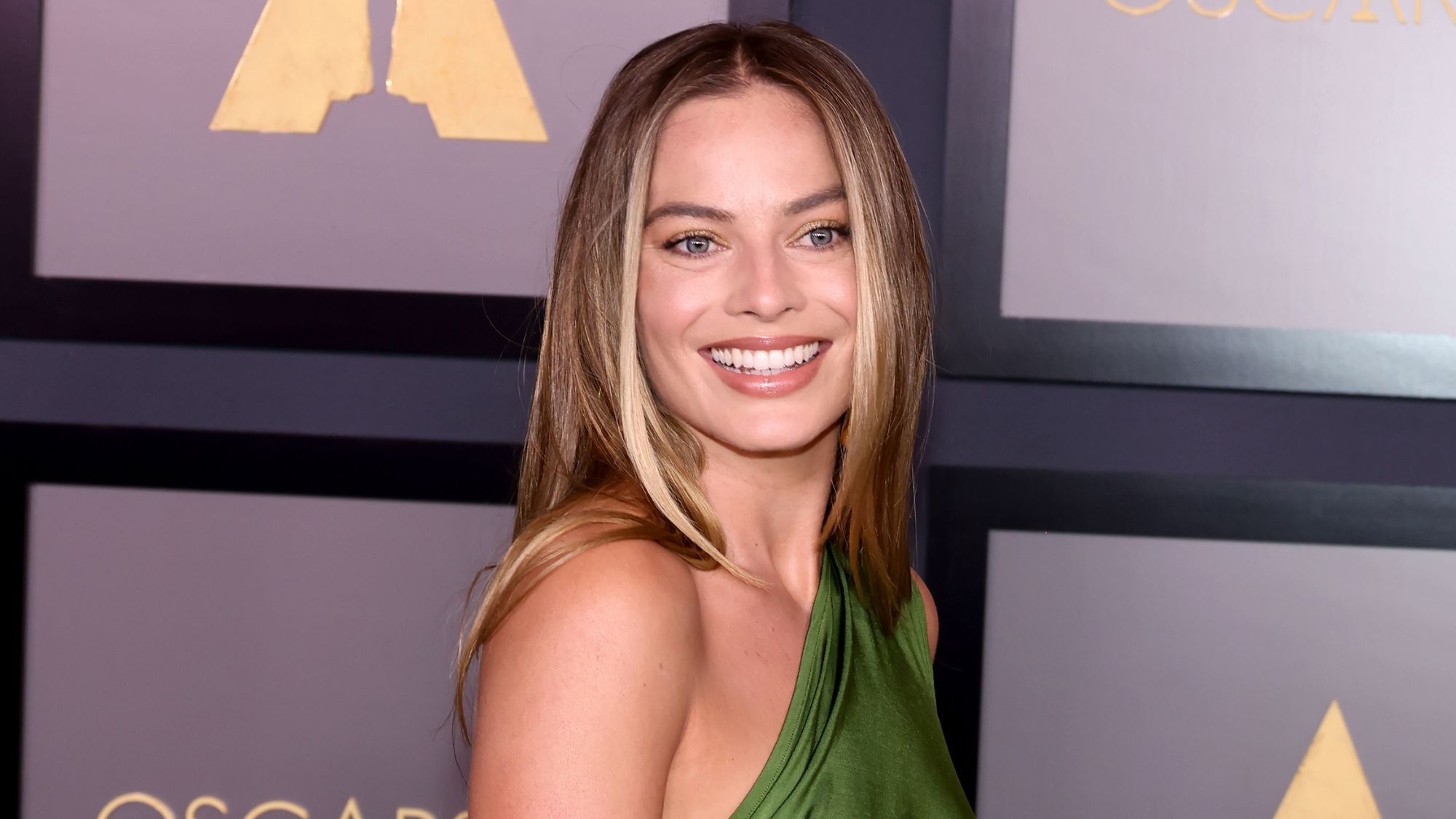
Hair contouring is one of those salon techniques that sounds technical, but looks surprisingly natural when it’s done well. Popularised by A-listers and red-carpet colourists, it uses strategically placed light and shade in the hair (rather than on the skin) to subtly emphasise your features—think a brighter-looking face frame, softened angles, and hair that appears more dimensional, even on “no make-up” days.
Unlike a full head of traditional highlights, hair contouring is about placement and balance: a little brightness where light naturally hits (often around the hairline and cheekbones) and depth where you want the eye to move away. For many people, that translates into colour that grows out more gracefully, needs fewer foils, and still looks polished weeks later. If you’ve been wanting a change without the upkeep, this is the sort of low-effort, high-impact approach worth discussing with your colourist.
What hair contouring actually is (and why it looks so natural)
Hair contouring borrows the logic of make-up contouring—highlight where you want to lift, add shadow where you want to add definition—but adapts it to hair colour. A colourist uses lighter and darker tones (often within the same colour family as your natural shade) to create the illusion of depth and brightness.
In practice, that could mean:
- Brighter ribbons around the face to draw attention to the eyes and cheekbones.
- Softer depth underneath to make the overall colour look richer and more expensive.
- Targeted lightness around the parting to mimic the way hair naturally catches the light.
- Micro-lights at the hairline for a “lit from within” effect without obvious stripes.
Because the goal is realism, the best contouring work doesn’t scream “freshly coloured”. It reads as healthy hair in good light—which is exactly why it photographs so well.
The complexion effect: how colour placement can flatter features
“Radiant complexion” is beauty shorthand, but there’s a practical reason hair contouring can make the face appear brighter: lighter pieces placed close to the face reflect more light in that area. Many stylists will use this to create a gentle lifting effect around the cheekbones and temples, or to soften stronger angles by keeping the perimeter slightly deeper.
Importantly, hair contouring isn’t about changing your skin tone—it’s about changing the way the hair frames your face. Most colourists will consider:
- Your undertone (cool, warm, neutral) so highlights don’t pull brassy or ashy against your complexion.
- Where you naturally part your hair, because the light-catching pieces need to sit where they’ll be seen day-to-day.
- Your haircut and layers; a face frame can disappear if it’s cut away or sits too far back.
- Your lifestyle and styling habits (air-dry vs blow-dry, curly vs straight), as texture changes how dimension shows.
In the UK salon scene, you’ll often hear this described as “bespoke placement” or “face-framing dimension”—different labels, similar principle. The takeaway: it’s customised, and it should be designed around your actual hair routine, not just a reference photo.
Low-effort colour: why contouring can be lower maintenance than full highlights
Hair contouring is often considered lower effort because it’s usually less about saturating the whole head and more about focusing on key zones. When your colourist concentrates on the hairline, parting and the top layer, you can get a visible refresh without committing to frequent all-over lightening.
That said, maintenance still depends on the technique used (foils, balayage, gloss/toner) and your starting point. For example, if you’re significantly lightening naturally dark hair, you may still need toners and careful aftercare to keep the shade looking fresh.
Many stylists recommend these best-practice habits to protect dimension and shine:
- Use a colour-safe shampoo and keep clarifying shampoos occasional, as they can lift toners faster.
- Add a weekly conditioning mask—lightened face-framing pieces can dry out more quickly.
- Protect with heat defence when styling; repeated heat can make highlights look dull and brittle.
- Book a gloss/toner top-up if your colour shifts warm or loses shine between major appointments.
Real-world next step: take two photos—one in natural daylight and one indoors—of your hair as it is now. Bring them to your consultation and ask your colourist where they’d place brightness to suit your face shape and usual parting.
How to ask for hair contouring at your next appointment (UK salon language)
Because “hair contouring” can mean slightly different things depending on the salon, the most useful approach is to describe the effect you want and how you wear your hair most days. Consider using phrases like:
- “I’d like subtle face-framing brightness that grows out softly.”
- “Can we keep the lengths natural-looking and focus dimension around the hairline and parting?”
- “I want it to look expensive and blended, not stripey.”
- “I wear my hair centre part / side part most days—can we place the highlights for that?”
A good colourist should talk you through tone (warm vs cool), placement (where the light pieces sit), and the plan for blending as it grows out. If you have previous colour on your hair—especially box dye, henna, or heavy build-up from certain products—be upfront, as it can affect how evenly the lightening takes.
Key Takeaways
- Hair contouring uses targeted light and depth to add dimension and subtly flatter facial features.
- The most natural results come from customised placement around your hairline, parting and face frame.
- It can be lower maintenance than full highlights, but upkeep depends on how much lightening you need.
- Aftercare matters: colour-safe cleansing, conditioning, heat protection and occasional glossing help keep it fresh.
- Your best next move is a consultation: bring real-life photos and discuss your parting, styling habits and tone preferences.
Frequently Asked Questions
Is hair contouring the same as balayage?
Not exactly. Balayage is a freehand application method; hair contouring is a placement strategy. A colourist can use balayage, foils, or a mix of techniques to achieve a contouring effect.
Will hair contouring work on curly or coily hair?
Yes—dimension can look beautiful on textured hair, but placement needs to account for how curls sit and shrink when dry. Many stylists will tailor brightness to the top layer and the face frame so it shows when worn natural.
Does hair contouring suit fringe wearers?
It can. If you have a full fringe, your colourist may place brightness slightly wider through the front panels rather than relying solely on hairline highlights that could be covered by the fringe.
How often will I need a top-up?
It varies. Some people refresh face-framing pieces and toner/gloss every few months; others can go longer if the blend is soft. Your natural shade, greys, and how light you go all influence timing.
Can hair contouring help my hair look thicker?
Strategic dimension can create the illusion of depth and movement, which may make hair appear fuller. A precise cut and good styling finish will make the biggest difference alongside any colour work.
Is hair contouring damaging?
Any lightening can stress the hair fibre, especially around the hairline where hair can be finer. Many colourists minimise risk by keeping lift subtle, using bond-supporting services where appropriate, and recommending conditioning and heat protection at home.
Explore More: Discover related reads from Hairporium — News • Guides • DIYs • Expert Articles.
Learn More: Explore detailed haircare routines and styling tips at Hairporium Guides.


More in Hair guides
A former hairdresser’s double-shampoo tip sparks a bigger question: how often should you wash you...
Vogue spotlights the GHD Speed as a notably fast dryer. Here’s what “fast” really means, which fe...
Winter can be as harsh as summer on your hair. Here’s how experts recommend protecting strands fr...
Prince Harry’s thinning hair has sparked conversation, but research and salon experience show why...
A calm, UK-focused guide to what to do when a salon haircut goes wrong—from requesting a correcti...
A UK-focused, stylist-informed guide to interpreting a 4B hair product trial—what to look for in ...
Androgenetic alopecia is the most common type of hair loss. Here’s what it looks like, what “trea...
Celebrity shine can be decoded: here’s how overnight leave-in care, low-friction sleep habits and...
The soft pixie is the winter short-hair trend that feels modern, flattering and easy to wear. Her...
Hair that never seems to grow past your shoulders is often a length-retention issue, not a growth...
View all hair guides