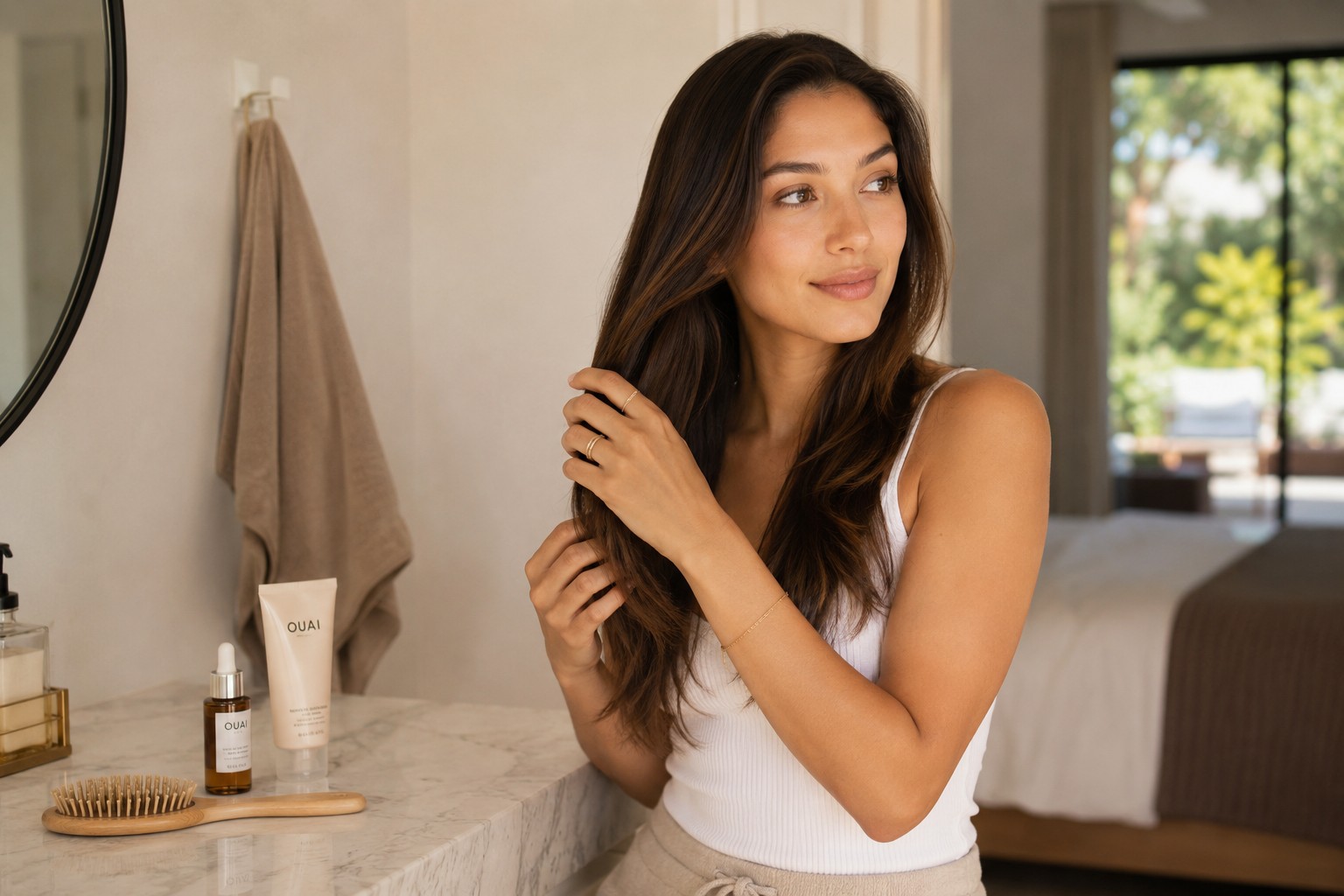
Woman refreshing coloured hair at home using a colour-depositing treatment

How to Refresh Your Hair Colour at Home Between Salon Visits

Between root regrowth, fading tones and busy diaries, very few of us manage perfectly timed salon appointments. Fortunately, there’s now a whole world of gentle, at-home colour-refreshing options designed to bridge the gap between professional sessions – without trying to replace your colourist. Used well, they can keep your hair looking glossy, tonal and intentional, while you save the big chemical work for the salon chair.

Why Colour Fades – and What You Can (Safely) Do at Home

Understanding why your shade loses its spark is the first step to choosing the right at-home refresh. In the UK, hard water, central heating, UV exposure and frequent washing all play a part in colour fade – especially for reds, coppers and fashion tones, which tend to lose vibrancy fastest. Even brunette and black shades can start to look flat or brassy between appointments.

Many stylists recommend that anything involving permanent colour, high-lift lighteners or major changes in tone is left to the salon. However, there are several low-commitment products that simply add tone and shine on top of your existing colour, rather than lifting or drastically altering it. These sit in the outer layers of the hair, gradually washing away, and can be an excellent way to keep things looking fresh between pro visits.

In real terms, this means using home care to maintain depth, tone and gloss – and trusting your colourist with root lightening, grey blending and corrective work. Hairporium’s approach is always to support salon-quality colour with intelligent maintenance, not to encourage risky DIY transformations.

Types of At-Home Colour Refreshers (and Who They Suit)

Woman applying colour-refreshing hair product at home in bathroom
Modern at-home colour refreshers are designed to boost tone and shine between salon visits.

Not all at-home colour products are created equal. Some are closer to skincare-style treatments; others behave more like a gentle stain. The key is understanding which is which before you start.

1. Semi-permanent glosses and glazes

Glosses – sometimes called glazes or colour baths – are usually transparent or softly tinted formulas designed to add shine and, in some cases, a whisper of tone. They don’t typically contain strong developers and won’t lift your natural colour, making them a popular choice with UK colourists for in-salon finishing and at-home maintenance kits.

They’re ideal if your hair feels dull, mattified or slightly uneven in tone rather than dramatically faded. Many can be applied in the shower and left for 5–20 minutes, then rinsed. Patch testing 48 hours beforehand is still wise, particularly if you have a history of sensitivity.

2. Colour-depositing masks and conditioners

Colour-depositing masks have exploded in popularity; they work like a hydrating treatment with added pigment. Rather than permanently altering the hair, they cloak the surface with tone that slowly rinses out over a few washes. In the UK, these are a staple for:

  • Reviving copper, red and auburn shades between salon visits
  • Cooling down brassy blondes or highlighted brunettes with violet or blue-based pigments
  • Maintaining bold fashion colours such as pink, lilac or teal

Because they’re deposited onto existing colour, you’ll generally get the best results if your hair is pre-lightened or already in the same tonal family. A copper mask, for example, will subtly warm up light brown hair but won’t magically turn very dark hair into a bright red.

3. Tinted shampoos and toning cleansers

Many UK stylists still recommend toning shampoos as an accessible, low-commitment way to control brassiness and keep colour looking intentional. The most familiar is violet shampoo for cool blondes, but there are also blue, green and peachy tones targeting specific undertones.

These tend to work gradually, so they’re perfect if you prefer a slow-and-steady approach. They’re also easy to dial back: simply alternate with a regular shampoo if your hair starts to look too ashy or too cool.

4. Root touch-up powders and sprays

For grey coverage or visible regrowth, temporary root touch-up products are often the safest at-home option. Powders, pens and sprays coat the roots with pigment that lasts until your next shampoo. They don’t disturb the underlying colour, making them less likely to interfere with your stylist’s work later on.

These are particularly useful if you work in a professional environment or have an upcoming event and haven’t been able to get to the salon. They’re also an excellent way to experiment with partings; a little root powder along a new part can help disguise uneven regrowth.

How to Use At-Home Colour Refreshers Like a Pro

Approaching at-home colour with a stylist’s mindset will help you avoid patchiness or over-toning. Before you reach for anything pigmented, assess your current shade honestly: where is it actually fading, and what do you want to correct?

A simple routine UK colourists often suggest is:

  • Step 1 – Clarify gently if needed: If you use a lot of styling products or live in a hard-water area, consider a gentle clarifying wash a few days before toning to remove buildup that could block pigment.
  • Step 2 – Patch and strand test: Dermatologists often suggest patch testing new colour products 48 hours in advance. A strand test on a hidden section helps you preview the final tone.
  • Step 3 – Apply to the most faded areas first: Mid-lengths and ends often need more help than roots. With masks and glosses, start where your colour looks dullest, then pull through.
  • Step 4 – Watch the timing: Do not exceed the recommended processing time. Overuse of violet or blue pigments can result in a muted or slightly dusty cast on very light hair.
  • Step 5 – Maintain with cool water and gentle care: Once you’ve refreshed your tone, using cooler water, heat protection and less frequent washing will help it last longer.

On a practical level, set aside a quiet evening, old T-shirt, and a pair of gloves before you start. Working methodically – sectioning your hair as your stylist would – makes application more precise and reduces the risk of uneven tone.

Common Mistakes to Avoid When Refreshing Colour at Home

Even the best products can underperform if they’re used in the wrong way. Stylists across the UK often see the same at-home missteps repeatedly.

  • Trying to lift or drastically change colour at home: High-lift blonds, bleach and major corrections really do belong in the salon, where professionals can assess hair condition and undertones in real time.
  • Ignoring porosity differences: Very porous ends grab pigment quickly. If your tips are dry, consider applying colour-depositing products there for less time than on mid-lengths.
  • Layering too many pigmented products: Using a strong violet shampoo, plus a purple mask, plus a cool-toned gloss, can lead to over-toned, muddy results.
  • Skipping professional advice: Many colourists are happy to recommend specific at-home refreshers that complement the formulas they use on you. A quick consultation can save frustration later.

If you’re uncertain, keeping a hair diary with photos after each at-home refresh can help you and your stylist fine-tune what works best, particularly if you have complex balayage or multi-tonal colour.

Keeping Your Colour Salon-Fresh: Everyday Habits That Help

At-home refreshers work best when they’re supported by good day-to-day care. Rather than relying on heavy pigments every week, protecting the colour you have will give a more polished, expensive-looking finish.

Stylists commonly emphasise these habits for UK clients:

  • Mind the water temperature: Hot water can encourage faster colour fade. Aim for lukewarm when shampooing and a slightly cooler rinse.
  • Use UV protection outdoors: A hat on summer days or a UV-protecting spray can help prevent sun-induced brassiness, especially on highlighted hair.
  • Limit daily heat styling: Overuse of straighteners and tongs can roughen the cuticle, meaning pigments slip away more easily.
  • Choose colour-safe care: Look for shampoos and conditioners designed for coloured hair; many are formulated to be less stripping.

From a practical perspective, the easiest win is often simply washing less frequently and embracing dry shampoo on off days. This small switch alone can significantly extend the life of both professional and at-home toning.

Key Takeaways

  • Use at-home colour refreshers – glosses, masks and toning shampoos – to maintain tone and shine, not to attempt dramatic colour changes.
  • Semi-permanent products and colour-depositing masks sit on the surface of the hair and gradually wash out, making them ideal between professional colour services.
  • Always patch test and, where possible, strand test before using new pigmented treatments, particularly if you have a sensitive scalp or damaged hair.
  • Apply products strategically to the areas that look most faded and respect the recommended processing times to avoid patchy or over-toned results.
  • Support your colour with gentle, colour-safe care – cooler water, less frequent washing and UV/heat protection all help extend your shade’s vibrancy.

Frequently Asked Questions

How often can I use a colour-depositing mask at home?
Most people find using a colour-depositing mask every one to three weeks is enough to keep tone looking fresh. If your hair is very porous, you may need it less often. Many stylists advise starting cautiously – perhaps once a fortnight – and adjusting based on how your colour looks rather than following a rigid schedule.

Will at-home glosses damage my hair?
Semi-permanent glosses and glazes are generally milder than permanent colour because they don’t usually involve high levels of peroxide or ammonia. However, formulas vary, and any product can irritate if you’re sensitive. Reading instructions carefully, patch testing in advance and not exceeding recommended timings are sensible precautions.

Can I use violet shampoo on brunette hair?
Yes, but the effect will depend on your starting shade. On highlighted or balayaged brunettes with warm or orange undertones, a blue or violet-based shampoo can help soften brassiness. On very dark, unlightened hair, the result may be minimal. If you’re unsure, a quick consultation with your colourist can clarify which undertones you’re trying to neutralise.

How do I stop my blonde from looking too ashy with toning products?
If your blonde starts looking overly ashy, smoky or slightly lilac, pause violet shampoos and masks for a couple of washes and switch to a gentle, colour-safe cleanser. In future, try leaving toning products on for less time or using them less frequently. Alternating every second or third wash is often enough for UK water conditions.

Is it safe to use at-home colour refreshers during pregnancy?
Guidance on colouring hair during pregnancy varies. Many people and stylists prefer gentler, semi-permanent options and avoid direct scalp contact where possible. If you’re pregnant or breastfeeding, it’s wise to discuss hair colouring plans with your midwife, GP or a qualified healthcare professional, and always follow product safety instructions closely.

Will at-home colour interfere with my next salon appointment?
Surface-level toners, masks and root sprays are less likely to complicate professional colour than box dyes or strong at-home bleach. Still, you should always tell your colourist exactly what you’ve been using, how often and when you last applied it. This transparency helps them plan safely and achieve your target shade more predictably.

Tools You Need

Explore More: Discover related reads from Hairporium — News Guides DIYs Expert Articles.

Try Next: Discover more DIY recipes and styling tricks at Hairporium DIYs.

Originally Published By: Fashion Journal

Back to blog