

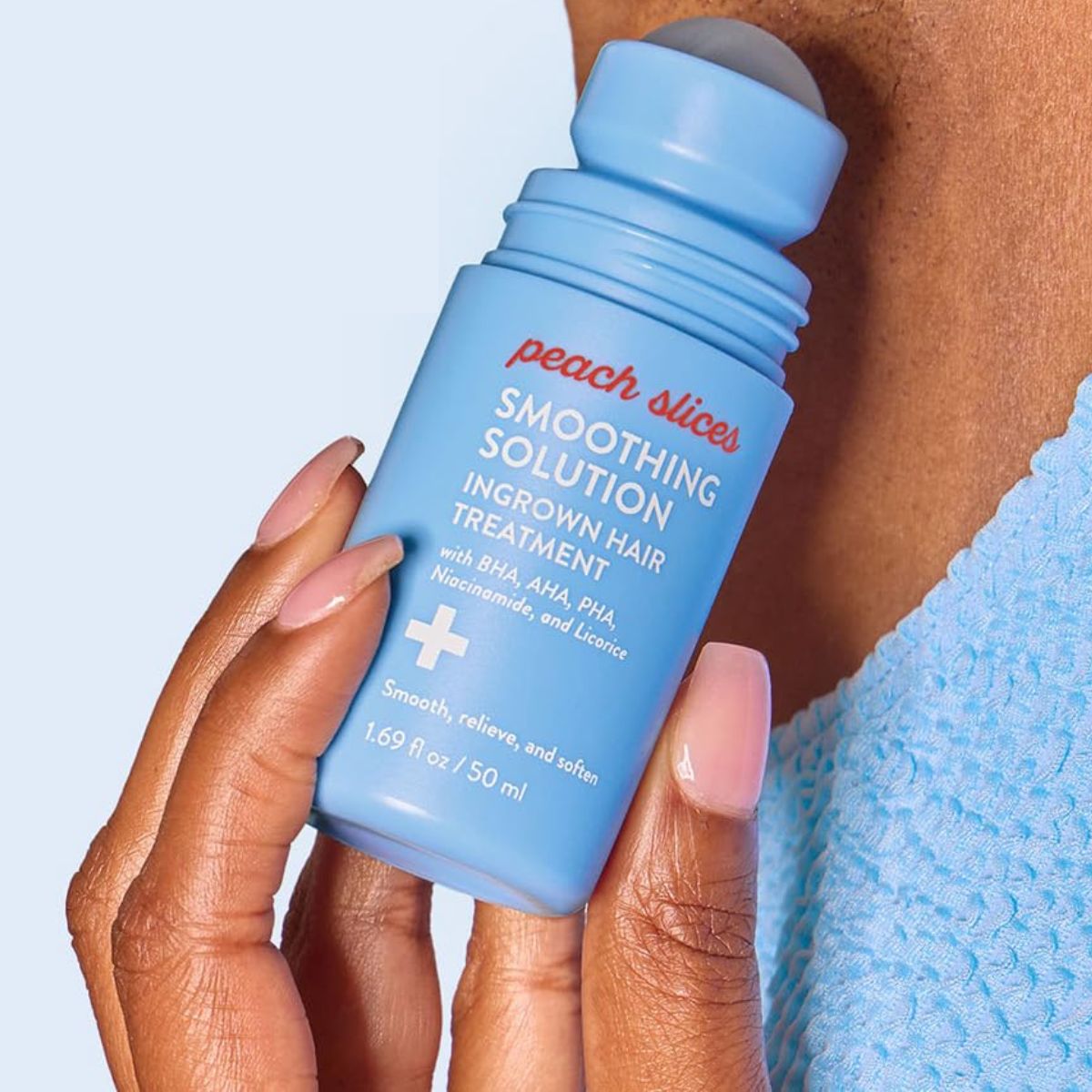
Ingrown hairs can feel like one of those stubborn beauty issues that’s somehow both common and surprisingly uncomfortable: little bumps, tenderness, and the tempting urge to pick. A recent round-up from E! Online highlights “reviewer-loved” ingrown-hair treatments, reflecting a wider truth many UK stylists and skin professionals regularly see: preventing and calming ingrowns is less about miracle fixes and more about consistent technique—especially around shaving, waxing, and hair removal on the face, bikini line, underarms and legs.
This guide translates the product-led conversation into practical, UK-relevant advice: what ingrown hairs are, what tends to help (and what typically makes them worse), and how to build a routine that supports smoother, calmer skin without overdoing it. While ingrown hairs aren’t usually serious, persistent, painful, spreading or infected-looking bumps should be assessed by a pharmacist, GP, or dermatologist.
Why ingrown hairs happen (and why some people get them more)
An ingrown hair occurs when a hair curls back into the skin or grows sideways under the surface rather than rising up and out of the follicle. The result can look like a small spot, raised bump, or cluster of bumps—sometimes with visible trapped hair. Curly or coily hair types can be more prone because the natural curve of the hair can more easily redirect growth back into the skin. Tight clothing, friction, heavy occlusive products, and certain hair-removal methods can all add to the risk.
In salon terms, ingrowns often follow a predictable pattern:
- Close removal + blunt regrowth: Shaving (especially against the grain) can leave a sharp edge that re-enters the skin.
- Waxing/epilating + broken hairs: If a hair breaks rather than being removed cleanly from the root, it may grow under the surface.
- Blocked follicle opening: Dead skin build-up can cover the follicle, making it easier for the hair to divert sideways.
Many dermatologists also emphasise a simple principle: inflamed skin tends to worsen ingrowns. That means the goal isn’t only “free the hair”, but also “calm the follicle”.
What “works” for ingrowns: routines over quick fixes
Shopper round-ups, like the one cited in the original piece, often focus on popular treatments. In real life, the most reliable results usually come from a combination strategy—gentle chemical exfoliation, careful hair-removal technique, and barrier-friendly moisturising.
Here are the approaches professionals commonly recommend, and why they help:
- Chemical exfoliants (often BHA/AHA/PHA): Products containing salicylic acid (BHA) can help clear oil and debris within the follicle opening, while AHAs (like glycolic or lactic acid) help lift dead skin on the surface. PHAs offer a gentler option for sensitive skin types.
- Soothing, anti-irritant care: Fragrance-free moisturisers and calming ingredients (for example, glycerin, ceramides, panthenol, colloidal oat) support the skin barrier so it’s less reactive to regrowth.
- Smart hair removal: A sharper blade, fewer passes, and the right direction can reduce the chance of a hair re-entering the skin.
- Friction management: Reducing rubbing from tight waistbands, leggings, or straps after hair removal can lower inflammation and help hairs emerge normally.
It’s worth noting what doesn’t tend to help in the long run: aggressive scrubbing, harsh alcohol-heavy formulas, or frequent “digging” at bumps. These can trigger more redness and post-inflammatory marks, particularly on deeper skin tones where PIH (post-inflammatory hyperpigmentation) may linger.
A practical UK step-by-step plan (what to do today)
If you’re dealing with an ingrown hair right now, start with the least disruptive options and give skin time to settle. The aim is to encourage the hair to exit naturally, not to force it.
- Step 1: Pause hair removal for 48–72 hours (if you can). Continuing to shave or wax over inflamed bumps often makes them angrier.
- Step 2: Warm compress for 5–10 minutes once or twice daily. Gentle heat can soften the surface skin and make it easier for the hair to release on its own.
- Step 3: Introduce gentle chemical exfoliation 2–4 times a week (not necessarily daily). If you’re new to acids, start low and slow.
- Step 4: Moisturise consistently with a barrier-supportive lotion. Dehydrated skin can be more prone to irritation and rough texture.
- Step 5: Spot-care only if needed. If a bump is tender, a soothing spot treatment can be preferable to piling on multiple actives.
Real-world tip: If ingrowns are a repeat issue on the bikini line or underarms, try changing one variable at a time—blade type, shaving direction, or your exfoliation frequency—so you can identify what actually makes the difference for your skin.
Better shaving, waxing and aftercare: small changes that prevent bumps
Prevention is where most people see the biggest payoff. You don’t need a complicated regime—just fewer irritants and better technique.
- Before shaving: Cleanse the area, soften hair with warm water, and use a lubricating shave gel/cream. Dry shaving is a fast route to irritation.
- During shaving: Use a sharp, clean razor; shave with the grain where possible; and limit repeated strokes over the same patch.
- After shaving: Rinse with cool water, pat (don’t rub) dry, and moisturise. Avoid heavily fragranced products immediately after hair removal.
- After waxing/epilating: Keep the area clean, avoid heat (saunas/hot baths) for 24 hours, and minimise friction from tight clothing.
- Exfoliation timing: Many professionals suggest waiting 24–48 hours post-wax before using strong exfoliants, then maintaining gentle exfoliation between appointments.
If you’re prone to ingrowns on the face and neck (often from shaving), consider whether a single-blade option or an electric trimmer (leaving hair slightly longer) reduces bumps. For some, it’s the most effective “switch” they make all year.
Key Takeaways
- Ingrown hairs usually come from close removal, blocked follicles, and inflammation—so calming skin matters as much as exfoliating.
- Chemical exfoliants (like BHA/AHA/PHA) can help reduce dead-skin build-up and support clearer follicle openings.
- Avoid picking, harsh scrubs, and repeated shaving over bumps; these commonly worsen irritation and can leave lingering marks.
- Prevention often comes down to technique: sharp blades, fewer passes, shaving with the grain, and friction-free aftercare.
- If bumps are persistent, painful, spreading, or look infected, seek advice from a pharmacist, GP or dermatologist.
Frequently Asked Questions
How do I know if it’s an ingrown hair or something else?
Ingrown hairs often appear as small raised bumps where hair has been removed, sometimes with a visible hair trapped under the surface. If you’re unsure, or if the area is hot, swollen, oozing, or worsening, it’s sensible to get medical advice.
Should I exfoliate every day to prevent ingrowns?
Not necessarily. Over-exfoliating can compromise the skin barrier and trigger more irritation. Many people do better with gentle exfoliation a few times a week, adjusted to skin sensitivity and the body area.
Can I pull the hair out with tweezers?
If a hair is clearly visible and sitting on the surface, some professionals may carefully lift it free using clean tools—but digging into the skin raises the risk of infection and marks. When in doubt, opt for warm compresses and gentle exfoliation instead.
Why do I get ingrowns after waxing?
Ingrowns after waxing can happen if hairs break instead of being removed cleanly, or if dead skin builds up and blocks the follicle opening during regrowth. Consistent, gentle exfoliation between waxes and reducing friction can help.
What’s best for ingrowns on the bikini line?
A combination approach is often most effective: minimise friction (looser clothing after hair removal), use gentle chemical exfoliation between sessions, and prioritise soothing moisturising. If you’re shaving, try fewer passes and shaving with the grain.
Can ingrown hairs cause dark marks?
They can, particularly if the area becomes inflamed or is picked at. Many dermatologists advise focusing on prevention and calming irritation early to reduce the likelihood of long-lasting post-inflammatory marks.
Explore More: Discover related reads from Hairporium — News • Guides • DIYs • Expert Articles.
Learn More: Explore detailed haircare routines and styling tips at Hairporium Guides.


More in Hair guides
A former hairdresser’s double-shampoo tip sparks a bigger question: how often should you wash you...
Vogue spotlights the GHD Speed as a notably fast dryer. Here’s what “fast” really means, which fe...
Winter can be as harsh as summer on your hair. Here’s how experts recommend protecting strands fr...
Prince Harry’s thinning hair has sparked conversation, but research and salon experience show why...
A calm, UK-focused guide to what to do when a salon haircut goes wrong—from requesting a correcti...
A UK-focused, stylist-informed guide to interpreting a 4B hair product trial—what to look for in ...
Androgenetic alopecia is the most common type of hair loss. Here’s what it looks like, what “trea...
Celebrity shine can be decoded: here’s how overnight leave-in care, low-friction sleep habits and...
The soft pixie is the winter short-hair trend that feels modern, flattering and easy to wear. Her...
Hair that never seems to grow past your shoulders is often a length-retention issue, not a growth...
View all hair guides