
Recent Post
Scalp Scrubs for People Who Hate Scalp Scrubs: What Stylists Want You to Know

Inside the Chair: The UK Barber Who Styled Cristiano Ronaldo
Inside the High-Profile Haircut: What Cristiano Ronaldo’s Barber Teaches Us About Modern Grooming
Stranger Things Hairstylist Sarah Hindsgaul Steps Into Haircare

Scalp Scrubs: Are They Worth It? A Stylist’s Guide to Cleaner, Fuller-Looking Hair

Col‑Frag Remastered: Biomimetic Collagen and the Future of Hair Care
Leave a comment
Inside the Chair: The UK Barber Who Styled Cristiano Ronaldo
When a Bridgnorth barber was flown to Ireland to cut the hair of one of the world’s most recognisable footballers, it was more than a celebrity moment; it was a snapshot of how modern barbering has become part performance, part precision grooming, and part personal branding. For many UK barbers and clients alike, seeing a local stylist step into Cristiano Ronaldo’s inner circle is a reminder that a haircut today can shape public image, social media narratives, and even cultural trends.
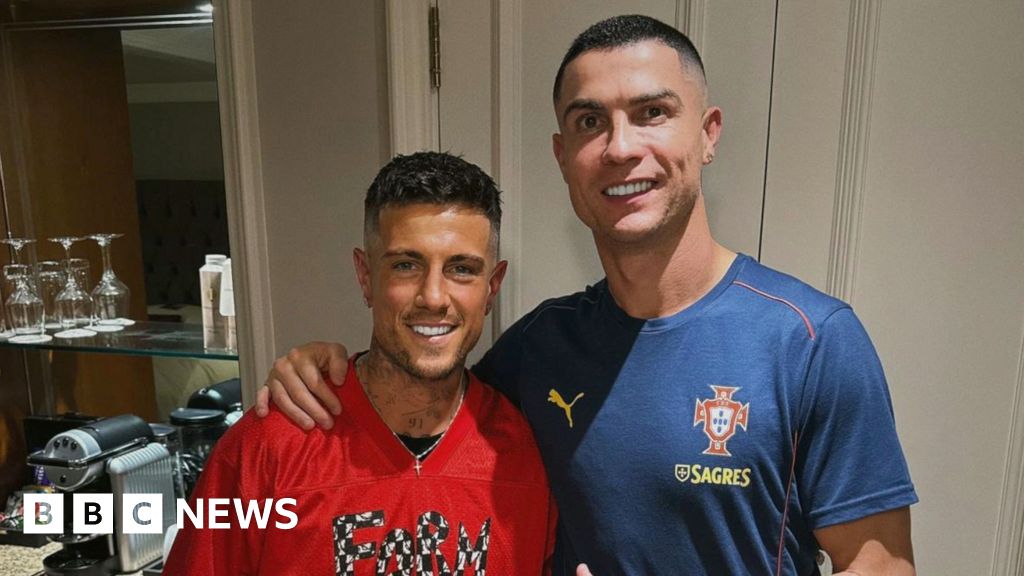
While the original BBC clip focuses on the disbelief and thrill of the experience, it also underlines a wider story: the rise of UK barbers and stylists as trusted image-makers for elite athletes, influencers, and high-profile clients. From Bridgnorth to Belfast, London to Lisbon, the skills honed in British barbershops are now travelling across borders, landing on some of the world’s biggest stages.
From High Street to High Profile: How a Local Barber Lands a Global Client
The idea of a Shropshire barber flying to Ireland to cut a global superstar’s hair speaks to how connected barbering has become. Word-of-mouth, Instagram portfolios, and player referrals increasingly shape who gets a seat in a dressing room or hotel suite with a top-flight footballer. For many barbers, that journey starts on a UK high street, building a loyal local clientele before their work catches the eye of someone influential.
In practical terms, this path from local to global tends to involve a mix of craft, consistency, and visibility:
- Strong visual portfolios: Regularly updated social media feeds showing clean fades, sharp line-ups, and versatile styles.
- Reliability and discretion: Athletes and public figures often favour barbers who are punctual, private, and professional.
- Network effects: Once a barber cuts one player at a club or camp, recommendations to teammates can follow quickly.
- Travel readiness: Having a valid passport, portable tools, and flexibility to travel at short notice.
For aspiring barbers reading this, a realistic next step might simply be refining your portfolio: photograph your best cuts in natural light, note the style names, and gradually build an online gallery that clearly shows your range.
Why Footballers’ Haircuts Matter So Much
There’s a reason a superstar like Ronaldo doesn’t treat a haircut as an afterthought. For professional athletes, hair is part of the performance package — seen in ultra-high definition, broadcast globally, and screenshotted into memes within minutes. A fresh fade or subtle taper can become as iconic as a goal celebration.
Across European football, several trends have emerged in recent seasons, many of which UK barbers are asked to recreate daily:
- Low skin fades with textured tops: Minimalist at the sides, expressive on top, and easy to maintain with regular shape-ups.
- Tapered curls: Particularly popular among younger players, keeping natural texture while controlling volume around the neckline and temples.
- Short crops with defined lines: A neat, almost military-inspired cut that reads cleanly on camera and suits intense training routines.
- Subtle designs and partings: Carefully shaved lines or hard parts that add character without distracting from the overall style.
Many barbers in the UK note that once a player unveils a new cut, clients will arrive at the shop within days asking to “have it like that lad from the match last night”. This reinforces how football continues to influence mainstream men’s hair trends, much like the Beckham era in the early 2000s.
For everyday clients who want a ‘footballer finish’, the most practical move is to bring a clear reference photo and discuss lifestyle factors with your barber — how often you can visit for maintenance, your job dress code, and how much styling you’ll realistically do each morning.
Behind the Scenes: Professional Standards When Cutting a Superstar’s Hair
Flying to cut a global icon’s hair sounds glamorous, but the work itself demands quiet discipline. Many UK barbers who work with high-profile clients talk about how the fundamentals don’t change: hygiene, consultation, and control over the final silhouette remain non-negotiable.
Professional best practice in these situations typically includes:
- Impeccable hygiene: Sanitised clippers and scissors, fresh guards, and clean capes every time. For scalp comfort, many stylists recommend avoiding heavily fragranced products right before a match or shoot.
- Concise consultation: Time with athletes can be limited, so barbers need to confirm length, fade height, and styling preferences efficiently.
- Adaptable technique: Working in hotel rooms, dressing rooms, or private suites demands portable kit and flexibility with lighting and seating.
- Photo and camera awareness: Understanding how the cut will appear under stadium lights and on broadcast cameras — not just in the mirror.
Many stylists also keep scalp sensitivity in mind. Dermatologists often suggest that people prone to irritation avoid very tight fades too frequently, as this can place repeated stress on the skin. If you find you’re getting redness or discomfort after sharp cuts, spacing appointments slightly further apart and discussing guard lengths with your barber can help.
On a practical note, if you’re considering a more “elite athlete” aesthetic for yourself, start by asking your barber to refine your existing cut rather than overhaul it in one go; small adjustments in taper, outline, and texture can dramatically upgrade your overall look.
The Rise of the UK Barber as Image Architect
The Bridgnorth-to-Ireland flight for a single haircut is part of a wider shift: barbers are no longer just service providers, they are collaborators in crafting public image. For footballers, musicians, and content creators, the person holding the clippers can influence how millions perceive them.
Within the UK, this has led to a more professionalised approach to barbering, including:
- Advanced education: From NVQ qualifications to private academies, barbers are investing in structured training in cutting, fading, and styling.
- Brand-neutral product knowledge: Experienced stylists tend to understand ingredients, finishes, and hold levels rather than simply pushing a single brand line.
- Personalised consultations: Matching cuts not just to face shape, but to career, cultural background, and personal confidence.
- Digital presence: Many barbers have become creators themselves, sharing tutorials, transformation videos, and behind-the-scenes glimpses of working with high-profile clients.
At Hairporium, we keep a close eye on how these shifts shape real-world routines. Whether you are in a village barbershop or an urban studio, the core principles remain similar: respect the client’s natural hair, work with texture rather than against it, and create styles that are sustainable beyond the first 24 hours.
If you are a stylist thinking about the next stage of your career, a simple but meaningful step can be to refine how you consult: practise asking better questions about lifestyle, comfort levels with change, and maintenance. This is exactly the calm, grounded approach that tends to be valued by athletes and public figures who live much of their lives under scrutiny.
Key Takeaways
- A Bridgnorth barber flying to Ireland to cut a world-famous footballer’s hair reflects how far UK barbering now travels — literally and professionally.
- Footballers’ haircuts act as powerful style signals, influencing everyday trends in UK barbershops within days of a televised match.
- Professional standards remain central when working with elite clients: hygiene, clear consultation, and awareness of how a cut will look on camera are crucial.
- UK barbers are increasingly seen as image architects, shaping not just hair but public perception for athletes, influencers, and performers.
- For both clients and barbers, small, realistic steps — like bringing reference photos or strengthening consultations — can bring that ‘professional player’ polish into everyday life.
Frequently Asked Questions
How do barbers end up cutting hair for famous footballers?
Most barbers reach high-profile clients through a mix of strong portfolios, word-of-mouth recommendations within clubs, and consistent professionalism. Social media plays a major role, as players and agents often browse Instagram for barbers whose work matches a desired style. It usually starts with one connection, then grows through trust and referrals.
Are celebrity footballer haircuts very different from regular barbershop cuts?
Technically, the core skills are the same: clean fades, balanced shapes, and well-blended transitions. The main difference is context — the cut must hold up under powerful lighting, intense scrutiny, and heavy camera zoom. There’s also often a tighter schedule and higher expectation for precision.
Can I ask my local UK barber for a Ronaldo-inspired cut?
Yes. Bring a clear reference image from a recent match or interview and discuss how closely it can be adapted to your hair type, hairline, and lifestyle. A good barber will be honest about what will suit you, and may tweak the style slightly to complement your features.
How often do footballers usually get a haircut?
Patterns vary, but many professional players maintain their hair every one to two weeks, especially if they favour skin fades or sharp, defined lines. If you want a similarly crisp look but have a busier schedule, you might choose a more forgiving taper that grows out neatly between appointments.
What should barbers focus on if they want to work with high-profile clients?
Most experienced stylists emphasise the basics: reliability, skill, and discretion. Building a strong, consistent portfolio, arriving prepared with clean tools, and maintaining client confidentiality are all considered essential. Travel readiness and a professional online presence can also make a real difference.
Is there anything to watch for in terms of scalp comfort with frequent fades?
Many stylists recommend paying attention to any irritation, bumps, or redness after very tight fades. If this occurs, spacing out appointments, adjusting guard lengths, and discussing gentler techniques with your barber can help. For ongoing concerns, dermatologists often suggest seeking tailored advice rather than self-diagnosing.
Explore More: Discover related reads from Hairporium — News Guides DIYs Expert Articles.
Stay Updated: Read more UK hair industry news and innovations on Hairporium News.


