
Psyche has published a playful video exploration asking a deceptively loaded question: what, exactly, is a girl to do about leg hair? While it’s not a “haircare routine” in the traditional sense, the topic lands squarely in beauty culture — because body hair sits at the intersection of personal comfort, social expectation, and style. For UK readers, it also connects to a wider conversation many salons, educators and beauty editors have been tracking for years: moving from “rules” about hair removal towards informed choice.
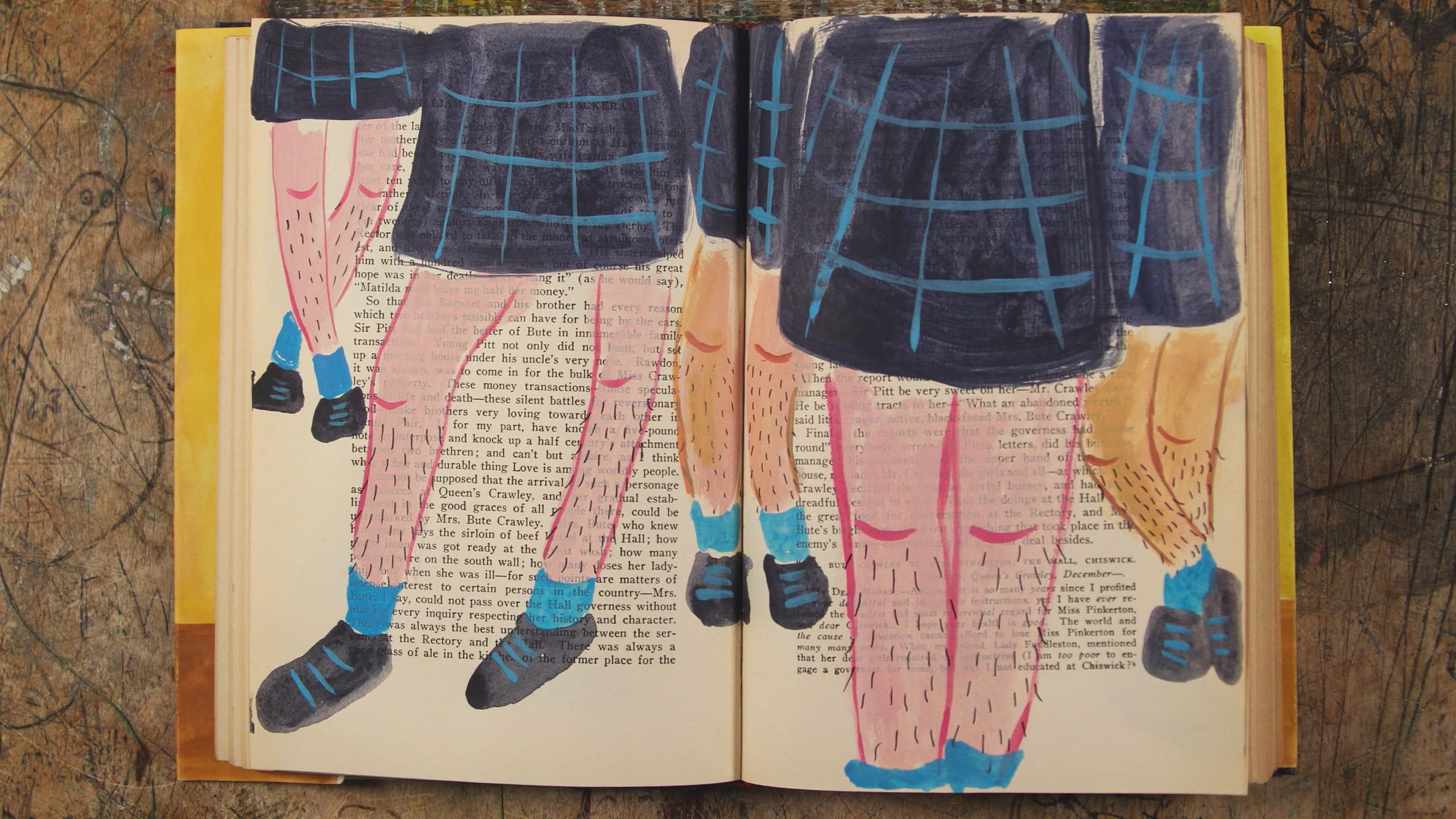
Why leg hair still sparks debate (and why it’s changing)
In the UK, attitudes to body hair have shifted noticeably over the past decade — not in one neat direction, but into a more plural landscape. Some people feel most themselves when they’re freshly shaved; others feel more at ease leaving hair completely natural; plenty move between the two depending on season, clothing, sport, holidays, sensory comfort, or simply mood.
The reason a seemingly simple grooming choice can feel “political” is that leg hair has long been loaded with assumptions: femininity, cleanliness, effort, attractiveness and even professionalism. The Psyche piece taps into that social pressure, using humour and curiosity to question why leg hair attracts scrutiny at all — and what it costs, practically and emotionally, when any one approach is treated as compulsory.
From a beauty industry angle, many stylists and educators now frame body hair as a preference rather than a requirement. That doesn’t remove real-world pressures, but it does create space for a healthier baseline: you’re allowed to choose what’s right for you, and you’re allowed to change your mind.
What “good grooming” actually means: comfort, consent and technique
When people talk about “grooming”, it can sound like a moral standard. In practice, grooming is simply how you look after your body in a way that suits your lifestyle — whether that includes hair removal, trimming, bleaching, waxing, epilation, laser, or doing nothing at all.
If you do remove leg hair, technique matters more than trend. Poor technique can leave you dealing with irritation, ingrown hairs and that persistent post-shave sting that makes you swear off the whole thing until the next wedding invite. Many beauty professionals recommend approaching hair removal like any other routine: do it with calm timing, clean tools, and skin-first habits.
- Prep with intention: Warm water can soften hair; a gentle cleanse helps remove sweat and product build-up before shaving or epilating.
- Use a suitable slip: A shaving gel/cream (or a fragrance-free emollient cleanser) can reduce drag and help prevent nicks.
- Mind the direction: Shaving “with the grain” can be kinder on sensitive skin, even if it’s not the closest finish.
- Don’t rush the aftercare: A bland, fragrance-light moisturiser is often the most comfortable follow-up, especially if you’re prone to dryness.
- Give skin time: Tight clothing and heavy fragrance immediately after hair removal can be a recipe for irritation for some people.
If you keep your leg hair natural, “grooming” can still be a thing — just with a different focus. Exfoliating gently, moisturising, and choosing breathable fabrics can make skin feel more comfortable. Some people also like lightly trimming for a neater look without going hair-free.
Real-world practicality: If you’re unsure what you prefer, try a simple two-week experiment: keep one approach consistent (eg, shave once a week, or don’t remove hair at all), then note comfort, time spent, skin mood and confidence day-to-day before deciding what you’ll keep.
The psychology behind the mirror: “choice” isn’t always neutral
A helpful nuance in any conversation about body hair is this: choice exists, but it’s rarely made in a vacuum. Social media, dating culture, school PE kits, workplace norms, and even family comments can shape what feels “safe” or “acceptable”. The Psyche video’s playful tone is useful precisely because it makes room for contradiction — you can dislike the pressure and still love the smooth-skin feeling; you can embrace natural hair and still feel self-conscious in certain settings.
In editorial beauty, we often see that the most sustainable approach is the one that reduces mental load. That might mean a low-maintenance routine (trimming rather than shaving), a seasonal rhythm (more removal in summer, less in winter), or making peace with visible regrowth rather than chasing constant smoothness.
It’s also worth noting that hair texture, colour and growth patterns vary hugely. What looks “fine” on one person may feel “noticeable” on another — and neither experience is more valid. Treat your body hair as personal data: it tells you what you like, not what you should be.
Where haircare thinking can help: a “less irritation” mindset
Although leg hair isn’t scalp hair, the best haircare principles still apply: minimise friction, respect the skin barrier, and avoid over-correcting. If you shave and then repeatedly scrub aggressively to “prevent ingrowns”, you can end up in a cycle of irritation that feels like a personal failing — when it’s often just too much abrasion.
Dermatologists often suggest taking a gentle approach when skin is reactive: simplify products, avoid heavy fragrance on freshly hair-removed skin, and consider whether your method is right for your hair type. If irritation persists, it can be sensible to speak with a pharmacist or GP for general guidance, particularly if there’s redness that doesn’t settle or recurrent bumps that worsen.
For readers who enjoy style and self-expression, there’s also a bigger takeaway: beauty is at its best when it supports identity rather than policing it. Hairporium’s editorial stance aligns with that — informed routines, thoughtful technique, and the freedom to wear your hair (any hair) in a way that feels like you.
Key Takeaways
- Leg hair is a grooming choice, not a requirement — and it’s normal to change your preference over time.
- If you remove hair, skin-first technique (prep, slip, gentle aftercare) often reduces irritation and ingrowns.
- If you keep leg hair, comfort routines like moisturising and breathable clothing can still be part of “grooming”.
- Social pressure can shape what feels like “choice”; noticing that pressure helps you make decisions that suit you.
- A simple two-week trial of one approach can help you decide what feels best in everyday life.
Frequently Asked Questions
Is shaving leg hair ‘bad’ for the hair or does it grow back thicker?
Shaving cuts hair at the surface, so regrowth can feel blunter as it comes through, but it doesn’t change the follicle or truly make hair grow back thicker. Many people simply notice regrowth more.
How can I reduce razor bumps on my legs?
Many stylists recommend focusing on friction reduction: use a sharp, clean razor, shave with a lubricating product, avoid repeatedly going over the same area, and moisturise afterwards with a gentle, non-sting formula.
What’s the least maintenance option if I don’t want to be hair-free?
Trimming can be a good middle ground. It keeps hair shorter without the same level of regrowth prickliness some people feel after shaving.
Is it unprofessional to have visible leg hair?
Workplace norms vary, but there’s no single “rule” that applies everywhere. Choosing clothing and grooming based on comfort and confidence is often more sustainable than trying to meet an unspoken standard.
Should I exfoliate to prevent ingrown hairs?
Gentle exfoliation can help some people, but over-scrubbing can worsen irritation. If you’re prone to sensitivity, prioritising a gentle routine and avoiding harsh, frequent exfoliation may be more comfortable.
How do I decide whether to remove leg hair at all?
Try approaching it like any lifestyle decision: consider comfort, time, cost, skin reaction and how you feel day-to-day. A short “trial period” can make the decision clearer without overthinking it.
Explore More: Discover related reads from Hairporium — News • Guides • DIYs • Expert Articles.
More From the Experts: Read interviews and insights from stylists and professionals on Hairporium Expert Articles.


More in Expert insights
A personal story highlights how hair transplant consultations can become a reassurance loop. Here...
From glossy blowouts to sleek updos, “Posh polish” is back. Here’s what the trend means in hair t...
A UK-focused look at the shifting conversation on female hair loss, inspired by Aneta Mortlock’s ...
View all expert insights