

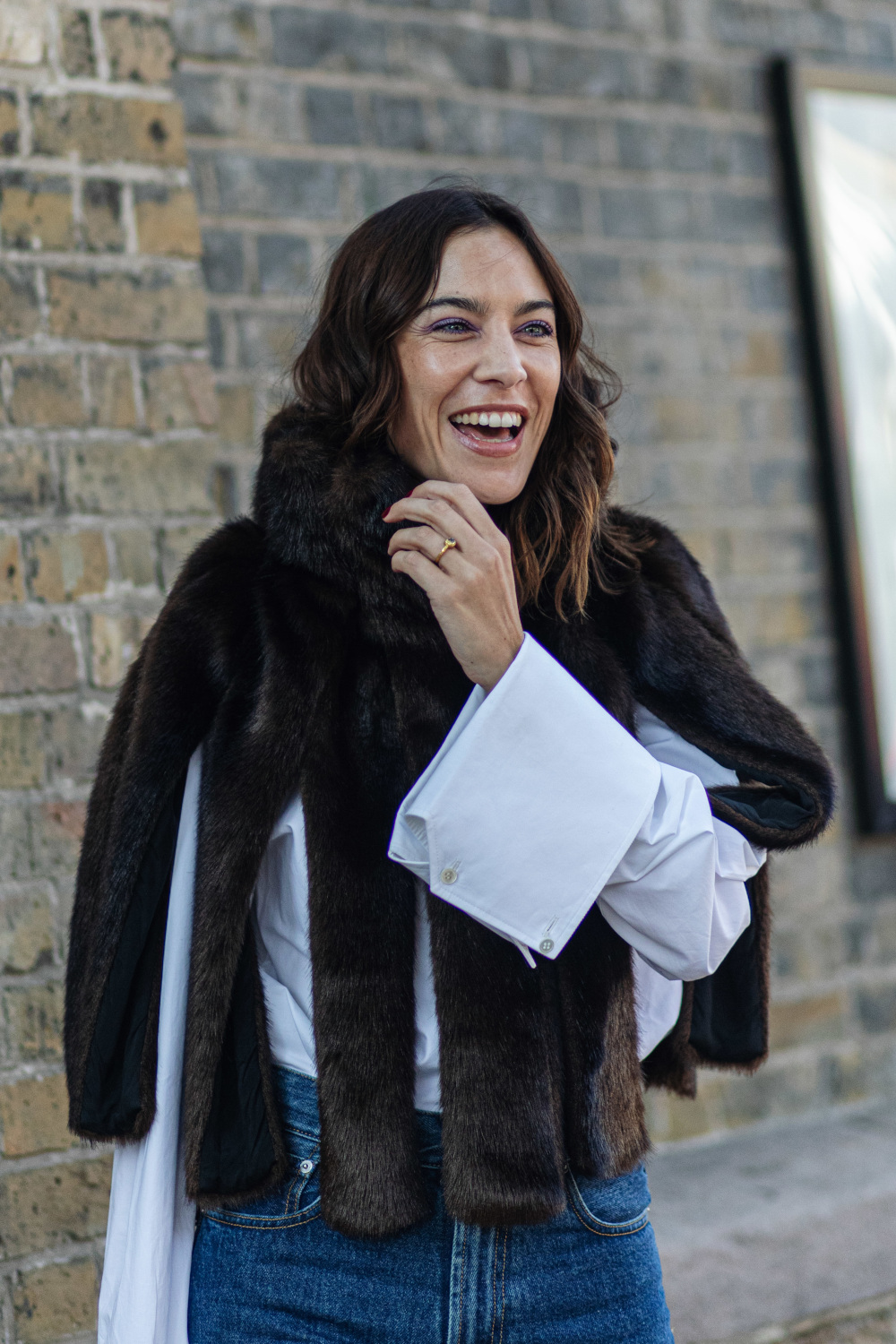
If there’s one haircut quietly taking over moodboards for 2026, it’s the British bob: a lived-in, slightly windswept take on the classic chin-to-collarbone crop that looks better the less you fuss with it. The appeal is very UK—practical, chic, and a little bit undone—capturing that familiar blend of polish and “I’ve just dashed out” confidence. While bobs never truly leave, this version stands apart for its soft texture, flexible shape and styling that leans into movement rather than perfection.
As Country & Town House points out, the aesthetic nods to a distinctly British way of wearing hair: more airy than sculpted, more characterful than uniform. For many people, that’s refreshing after years of ultra-glossy, highly controlled finishes. The British bob isn’t messy for the sake of it—done well, it’s deliberately imperfect, designed to flatter real hair in real weather.
What exactly is the “British bob”?
Think of the British bob as classic bob structure with relaxed edges. Rather than a sharp, graphic line, it’s softly broken up: ends look a touch feathered, layers are light and placed for movement, and the overall feel is easy. It often sits somewhere between the jaw and collarbone (though length can vary), and it looks especially current when paired with a casual fringe—whether that’s a full fringe, curtain bangs, or a barely-there sweep.
Key to this trend is that it doesn’t rely on a single “perfect” styling method. It can be worn air-dried with a bend, lightly tonged for a wave, or blow-dried with minimal shape. It’s a cut designed to look good in motion, not frozen in place.
- Soft perimeter: A bob shape without a blunt, uncompromising line.
- Light layering: Subtle internal layers for lift and swing rather than obvious steps.
- Texture-first finish: Defined by movement (and sometimes a hint of natural frizz) rather than mirror shine.
- Fringe-friendly: Often styled with a fringe that looks “grown-in” rather than freshly cut.
In salon terms, you’re looking for a bob that’s tailored to your growth pattern and density. Many stylists will adjust the shape around the crown and front hairline so it behaves easily day-to-day—particularly important if you want that “effortless” finish without constant heat styling.
Why it’s trending for 2026 (and why it feels so wearable)
Trends tend to swing between extremes, and hair has been no exception: one season it’s ultra-sleek, the next it’s all about texture and individuality. The British bob fits neatly into a broader shift towards hair that looks healthy, touchable and personal.
It’s also inherently versatile. A bob can read fashion-forward, timeless, or quietly luxurious depending on how it’s cut and coloured. The “British” twist is in the styling language: more undone, less rigid, and often paired with natural-looking colour and root depth rather than high-maintenance perfection.
From a practical perspective, it’s a strong option if you want your cut to work with you—especially during UK winter and spring, when humidity, rain and scarf season can make overly styled hair feel like a losing battle. A cut built for movement tends to survive real life better.
How to ask your stylist for the British bob (so you actually get it)
“Bob” can mean anything from a razor-sharp French line to a heavily layered long bob, so the consultation matters. If you want the British bob, focus on three things: length, softness at the perimeter, and how you’ll style it most days.
- Choose your length anchor: jaw, just below jaw, or collarbone. Mention where you want the longest pieces to sit when dry.
- Request a soft edge: ask for a gently broken-up hemline rather than a “one-length blunt” finish.
- Discuss texture, not just layers: light internal layering can add movement; too much can make the shape feel thin or triangular.
- Be honest about your routine: if you mostly air-dry, say so. A well-cut bob can be adapted to your natural pattern.
- Consider a fringe carefully: fringes are transformative, but they’re also a commitment. Ask what fringe type suits your cowlicks and styling tolerance.
Real-world next step: save 2–3 reference photos that show the finish you want (airy, textured, slightly undone), not just the length. Then tell your stylist how often you’re willing to use heat—this is usually what determines whether the look feels effortless or exhausting.
Styling and maintenance: getting the “windswept” finish without the frizz spiral
The British bob works because it embraces texture—yet it still benefits from smart technique. If your hair tends to puff up, many stylists recommend focusing on preparation (how you dry it) rather than trying to “fix” the result afterwards.
- For air-dryers: blot (don’t rub) with a towel, apply a lightweight leave-in conditioner through mid-lengths and ends, then let it dry with minimal touching.
- For quick polish: use a dryer for 2–3 minutes mainly at the roots, directing airflow downwards to smooth while keeping natural movement.
- For bend and shape: add a few loose waves with a medium barrel tong, leaving the ends out for that modern, relaxed look.
- For fringe styling: a quick blow-dry side-to-side at the root can help it sit softly without looking “done”.
Maintenance is typically straightforward. Many people find a refresh every 6–10 weeks keeps the shape buoyant, especially if you’ve added a fringe. If you’re growing it out, this kind of bob is forgiving—soft edges tend to grow out more naturally than rigid, sharp lines.
Key Takeaways
- The British bob is a softly textured, wearable bob designed to look chic without looking overly styled.
- Its defining features are a gentle perimeter, light movement-focused layering and an easy, windswept finish.
- It suits UK real life: humidity, rain and busy schedules—because the cut works with natural texture.
- To get the look, ask for a bob with a softened edge (not blunt) and be clear about your day-to-day styling habits.
- Next step: bring 2–3 finish-focused reference photos and discuss whether a fringe fits your hairline and routine.
Frequently Asked Questions
Is the British bob the same as a French bob?
Not quite. A French bob is often shorter and more graphic, sometimes with a strong blunt line and a distinct fringe. The British bob tends to look softer, more grown-in and more textured.
Will the British bob suit fine hair?
It can, provided the layering is kept light and strategic. Fine hair often looks best with enough structure to hold shape, so the goal is movement without over-thinning the ends.
What if my hair is thick or slightly wavy?
Thick and wavy hair can be ideal for this trend because the cut celebrates natural movement. Your stylist may remove bulk internally to prevent a triangular shape while keeping the ends looking full.
Do I need a fringe to make it a British bob?
No. A fringe is optional. The “British” feel comes more from the relaxed shape and finish than from any single detail.
How do I stop my bob flipping out at the ends?
Often it’s about direction when drying. Aim airflow down the hair shaft and consider a quick pass with a brush at the ends. If flipping persists, a small trim or subtle reshaping can make a big difference.
Is this trend high maintenance?
Compared with very sleek, sharply cut bobs, it’s usually lower maintenance because it’s meant to look lived-in. Still, regular trims help the shape stay intentional rather than simply overgrown.
Explore More: Discover related reads from Hairporium — News • Guides • DIYs • Expert Articles.
Stay Updated: Read more UK hair industry news and innovations on Hairporium News.


More in Hair news
Paris Hilton swapped her signature blonde for a brown wig on a family Disneyland trip—sparking fr...
The Make-Up Artists and Hair Stylists Guild nominations are in, led by Sinners, One Battle After ...
A rare winter phenomenon near Loch Ness has revealed ‘hair ice’ — delicate, fluffy strands that g...
Award-winning stylist Harry Andreou has opened Studio U. in Oliver’s Battery, Winchester. We unpa...
Princess Charlotte’s brighter blonde look spotlights how accessories, lighting and winter shine c...
A Lifford woman’s Christmas hair donation spotlights what matters most: choosing the right charit...
A Bradford barbershop’s free Christmas haircuts spotlight the UK industry’s community role—restor...
Hair is often front and centre in UK missing-person appeals. Here’s why “curly brown hair” matter...
CNN asked three prolific writers to sum up beauty culture in 2025. Here’s what their big themes—a...
From Sixties-inspired French bobs to the Scandi chop, these 2026 short-hair trends for women over...
View all hair news