

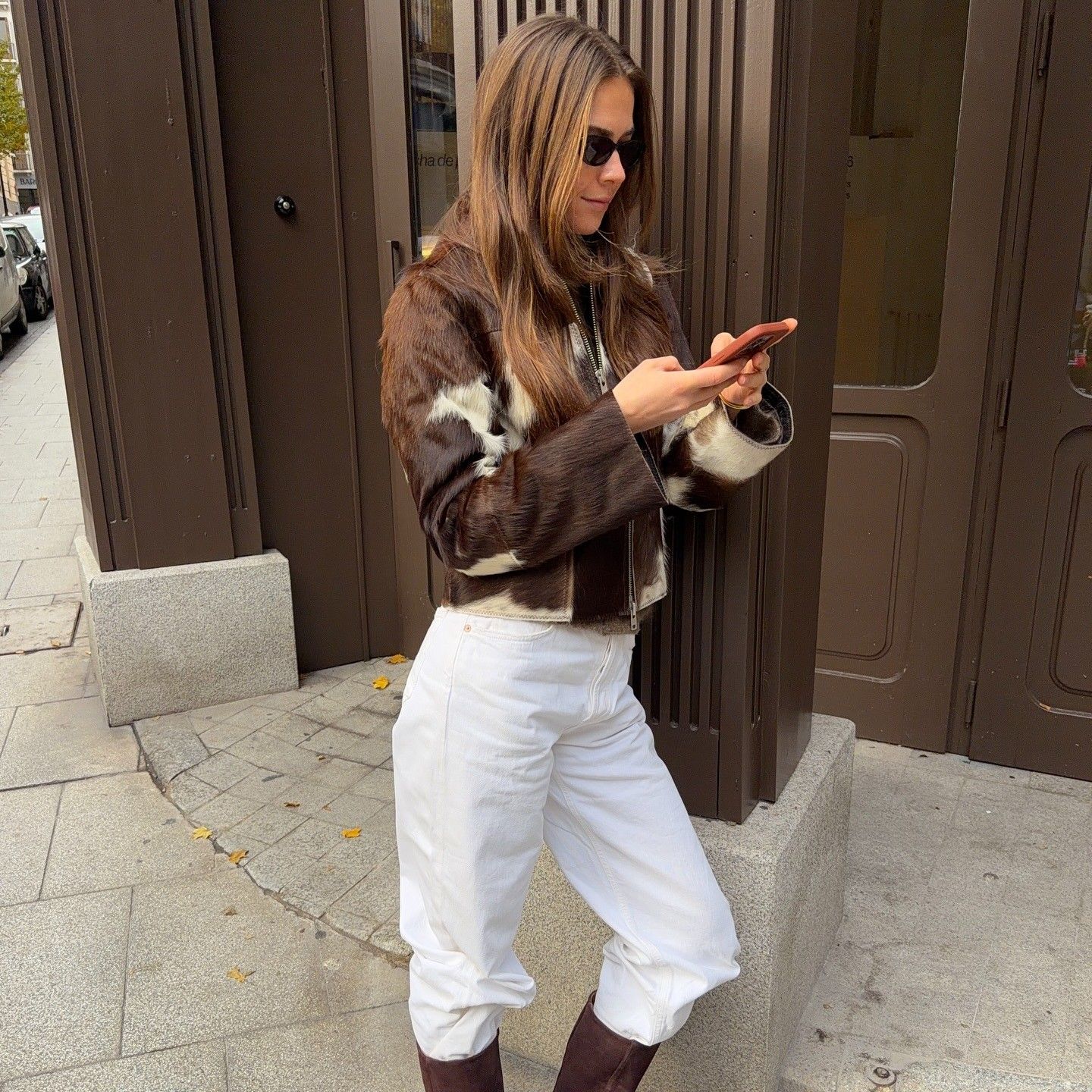
One of the fastest-moving style signals right now isn’t a fringe, a colour, or a new blow-dry—it's a finish. According to Who What Wear’s trend radar, “pony hair” is shaping up to be the It-girl texture you’ll see everywhere in 2026. The punchline in the original piece (“Giddyap.”) is playful, but the idea behind it is genuinely useful: hair that looks glossy, smooth, expensive and almost saddle-polished—think sleek movement, controlled volume, and a refined surface that catches the light.
In UK salon terms, pony-hair styling sits somewhere between the ultra-glass “liquid hair” look and the soft, brushed-out ‘90s blowout—only with a more tactile, velvety shine. It’s the kind of look that reads put-together from a morning meeting in Shoreditch to late-night plans in Manchester, and it suits everything from short bobs to long lengths when adapted properly. The best part: you don’t need a total haircut overhaul to try it—just a smarter approach to prep, heat, and finishing.
What “pony hair” actually means (and what it doesn’t)
Trend phrases can be confusing, especially when they borrow from fashion and interiors. “Pony hair” in this context isn’t about animal hair, nor is it a call for a specific haircut. It’s a visual shorthand: hair that appears plush and glossy with a slightly “brushed nap” effect—smooth, but not flat; polished, but still touchable.
In practice, that translates to:
- A uniform surface shine (less frizz and fewer flyaways at the crown).
- Controlled density (volume that looks intentional, not “puffy”).
- Clean lines (ends that look refined, whether blunt or softly beveled).
- Movement with structure (hair swings, but it doesn’t fizz).
It’s also worth saying what it’s not: it’s not necessarily poker-straight hair, and it doesn’t require extreme heat or a heavy, greasy finish. Many stylists would argue the modern luxury signifier is shine without buildup—especially important if you’re dealing with fine hair, curly texture, or colour-treated lengths.
How to get the look at home: the UK-proof routine
British weather, hard water in certain areas, and the real-life pace of weekday styling mean any trend has to pass the practicality test. Pony hair is achievable, but it hinges on preparation and a deliberate finish—more like styling “in layers” than doing one quick pass with straighteners.
- Start with a clean base: Product buildup dulls shine. If your hair feels coated or heavy, consider a clarifying wash occasionally (especially if you use dry shampoo often). Follow with a conditioner focused on mid-lengths to ends.
- Prioritise cuticle-friendly drying: Rough-drying can lift the cuticle and create a fuzzy surface. Use a nozzle attachment and direct airflow down the hair shaft. Many hairdressers recommend finishing with a cool shot to help settle the surface.
- Use heat with intention: If you’re straightening or smoothing, work in small sections and avoid repeated passes. Keep tools clean—product residue on plates can drag and create uneven shine.
- Finish with a lightweight gloss approach: Think a mist, serum, or smoothing cream, applied sparingly. Concentrate on the outer layer and ends; avoid the roots unless you’re specifically sculpting a sleek look.
- Seal and set: A light-hold spray or humidity shield can be the difference between “pony hair” and “by lunch, it’s frizz”. In the UK, humidity is the quiet villain—choose a finish that controls flyaways without crunch.
One practical next step: Try the “outside layer” method tomorrow—style as normal, then take just the top two sections (the hair people see first) and give them a final, careful smoothing pass plus a tiny amount of shine product. It delivers the trend with minimal extra time.
Who it suits: from bobs to curls (and how to adapt it)
Pony hair can be tailored to different textures and cuts—it’s more about the finish than the shape.
- Fine hair: Keep products featherweight and focus gloss from mid-lengths down. Consider a root-lift blow-dry so you don’t lose body while chasing shine.
- Thick hair: Work in clean sections and prioritise a smooth blow-dry before you reach for hot tools. A controlled, polished surface reads especially luxe on dense lengths.
- Curly and coily textures: The pony-hair concept translates beautifully as defined, glossy curls with a velvety finish. Many curl specialists recommend buildable hydration and careful diffusing to maintain definition while reducing halo frizz. You’re aiming for sheen and shape, not flattening your natural pattern.
- Short hair and bobs: This trend is a gift for blunt cuts: a clean line plus a smooth surface looks modern and expensive. Ask your stylist about refining the perimeter and removing weight only where needed to keep swing.
If your hair is colour-treated, shine is often there for the taking—provided you protect the integrity of the fibre. Overheating can make hair look dull rather than glossy, and it can exaggerate dryness at the ends. Many stylists recommend consistent heat protection and regular trims to keep the “polished” effect believable.
Why it’s trending now: the return of “quiet luxury” hair
Fashion has been in its quiet-luxury era for a while, and hair is catching up in a more nuanced way. After years of deliberately undone texture—salty spray, puffy roots, bed hair—we’re seeing a renewed appetite for refinement. Pony hair reflects a broader beauty mood: less chaos, more control; less overt styling, more high-quality finish.
In salon culture, it also makes sense. The look photographs well (important for social feeds), it reads “healthy” without making medical promises, and it’s versatile—easily paired with centre partings, slick ponytails, soft bends, or brushed volume. It’s the type of trend that can be worn understated for day and dialled up for evening.
Key Takeaways
- “Pony hair” is a finish trend: plush shine, controlled volume, and a refined surface—not a specific haircut.
- The look relies on prep and technique: cleaner base, smoother drying direction, and fewer heavy products.
- Humidity control matters in the UK; a light finishing product can help maintain polish without stiffness.
- It’s adaptable for straight, wavy, curly and coily hair—aim for definition and sheen rather than flattening your texture.
- A simple next step: style normally, then perfect the top layer with careful smoothing and a tiny amount of gloss product.
Frequently Asked Questions
Is “pony hair” the same as the slick-back look?
Not exactly. Slick-back styling focuses on tight, flat roots and a deliberately sculpted silhouette. Pony hair is more about a velvety, polished surface and shine—you can wear it sleek, but it doesn’t have to look “wet” or rigid.
Do I need hair straighteners to achieve pony hair?
No. A careful blow-dry can create much of the smoothness, especially if you direct airflow down the hair shaft and finish with a cool shot. Hot tools can refine the look, but fewer passes are typically better for maintaining a healthy-looking finish.
Will pony hair work on naturally curly hair?
Yes—think of it as “glossy, defined curls” rather than straightness. Many curl professionals prioritise hydration, definition, and controlled drying to reduce surface frizz while keeping the curl pattern intact.
How do I stop flyaways ruining the finish?
Flyaways often come from friction, dryness, or humidity. Try a light finishing mist, a small amount of smoothing product on the outer layer, and gentle brushing with a clean tool. If breakage is a concern, consider asking a stylist for guidance on gentler styling habits.
How often should I clarify if I’m chasing high shine?
It depends on how much styling product you use and your water type. Some people benefit from occasional clarifying to remove buildup; others find it drying. If your hair starts to feel coated or looks dull despite conditioning, that can be a sign to reset—followed by a nourishing conditioner through the lengths.
Explore More: Discover related reads from Hairporium — News • Guides • DIYs • Expert Articles.
Learn More: Explore detailed haircare routines and styling tips at Hairporium Guides.


More in Hair guides
Winter doesn’t stop hair growing, but it can sabotage length retention. Here’s how cold weather, ...
Miley Cyrus’ messy curtain bangs prove the ‘undone’ fringe is all about the right cut and smart s...
At-home IPL is trending as a “less painful” alternative to shaving. Here’s what it is, how it com...
From shine sprays to blow-dry technique, here’s what really delivers glossy, frizz-resistant hair...
A stylist-approved approach to post-festive scalp build-up: how pre-wash exfoliation works, how o...
Split ends can’t be fully repaired, but the right routine can help prevent new damage. Here’s wha...
French “cool girl” hair is back in the spotlight—think understated texture, strategic accessories...
Inspired by Brittani Bateman’s “reunion-ready” makeover, here’s how to brief your stylist, prep p...
A UK-focused look at what “glass hair” really involves—how masks improve shine, what breakage red...
A practical, salon-inspired routine to make dry, rough hair feel softer—covering cleansing techni...
View all hair guides