

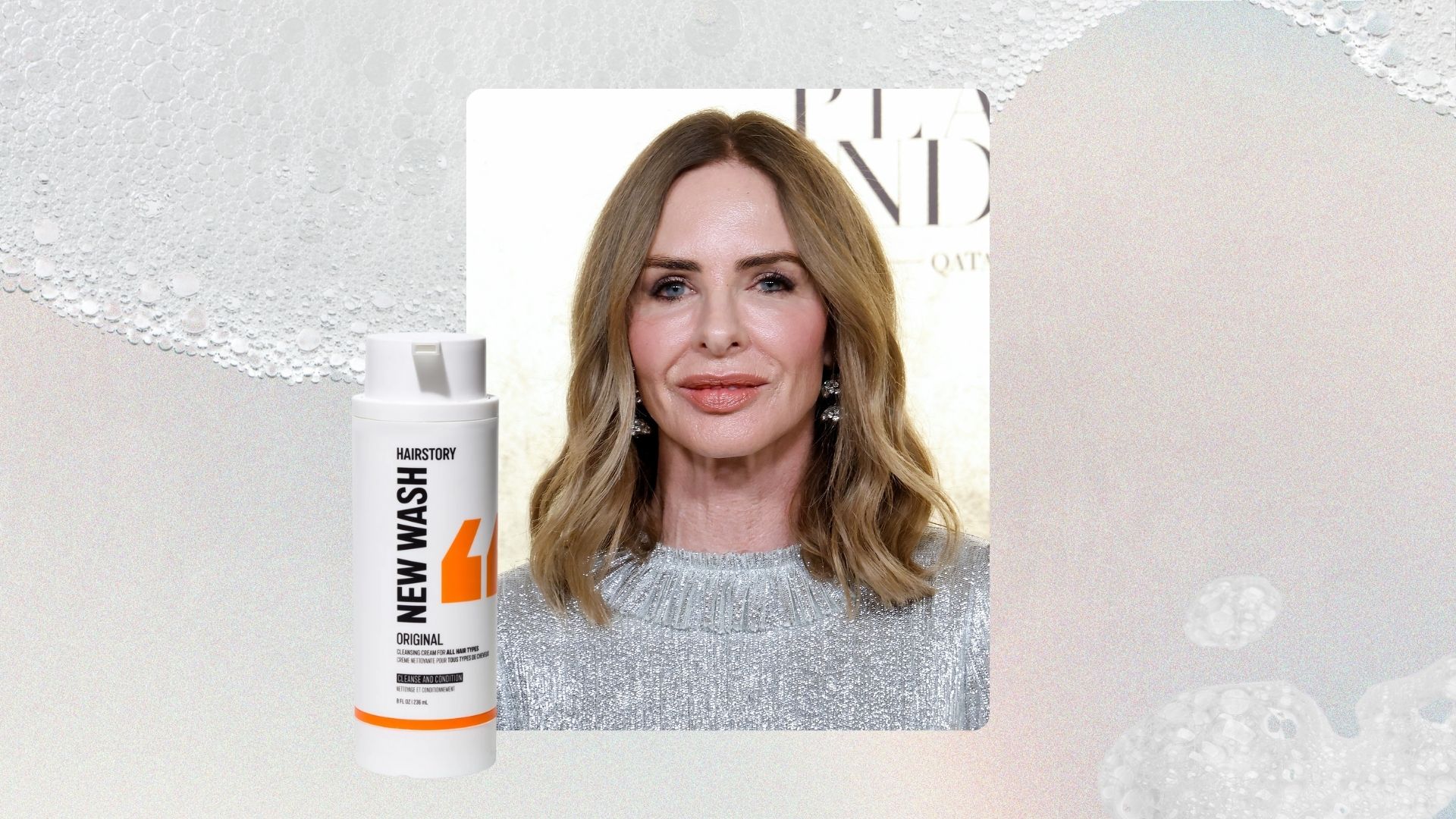
Celebrity recommendations can spark a surge of curiosity, but the bigger story behind Trinny Woodall’s long-standing preference is a familiar one in UK haircare: more people are questioning what their shampoo is doing to their hair day after day. The article highlights a “one-step” cleansing-and-conditioning approach that avoids sulphates — a category of detergents commonly used to create a rich lather and lift oil and product from the hair.
So what does “sulphate-free” actually mean in practice, and is it automatically better? As with most haircare choices, it depends on your hair type, styling habits, and how you like your hair to feel. Below, we break down what sulphate shampoos do, what gentler alternatives can offer, and how to decide what’s right for you without relying on hype.
Sulphates in shampoo: what they are and why they’re used
Sulphates (often listed as sodium lauryl sulphate or sodium laureth sulphate) are cleansing agents that help shampoo spread easily, foam up, and remove oils and build-up efficiently. They’re popular because they’re effective and give that “squeaky clean” sensation many people associate with freshly washed hair.
However, effectiveness can come with trade-offs. Many stylists note that frequent use of strong detergents can leave some hair types feeling dry, rough, or more prone to tangling — especially when combined with hot tools, lightening, or colour treatments. That doesn’t make sulphates “bad”; it simply means they may be too clarifying for some routines when used daily.
In real-world terms: if you wash your hair often, colour your hair, or already battle frizz and dryness, a milder cleanser can feel like a noticeable upgrade in comfort and manageability.
What “sulphate-free” shampoos typically change (and what they don’t)
Sulphate-free formulas swap stronger detergents for gentler surfactants that cleanse with less aggressive oil removal. The result tends to be:
- Less foam: Many sulphate-free shampoos lather less. That’s normal and doesn’t mean they’re not cleaning.
- A softer after-feel: Hair can feel less stripped and more pliable, particularly if it’s textured, porous, or colour-treated.
- Potentially fewer wash-day “swings”: Some people find hair feels more consistent between washes, rather than very squeaky-clean day one and very dry day two.
But sulphate-free doesn’t automatically mean “better for everyone” or “build-up proof”. If you use heavy stylers, dry shampoo frequently, swim, or live in a hard-water area (common across many parts of the UK), you may still need occasional deeper cleansing to prevent residue that can dull shine or affect scalp comfort.
Dermatologists and trichology-minded stylists often suggest focusing less on labels and more on outcomes: how your hair and scalp behave over a few weeks, whether you’re noticing itchiness or excess oil, and how your lengths feel after styling.
The rise of ‘one-step’ cleansing conditioners and low-lather washes
The RSS summary references a “cleanse and condition in just one step” concept — typically associated with low-foam cleansing creams, “new wash” formulas, or cleansing conditioners. These can be particularly appealing if your hair is dry, curly, coily, or chemically processed, because they aim to cleanse while leaving more conditioning agents behind.
That said, cleansing conditioners are not a universal replacement for shampoo. They can be brilliant for some routines and frustrating for others. People with fine hair, very oily roots, or a strong reliance on silicone-heavy styling products may find they need more frequent clarifying (or a different cleanser) to keep volume and lift.
If you’re curious but uncertain, the most practical approach is to trial the method on a schedule rather than switching overnight: use the gentler one-step wash for most wash days, then add a clarifying wash occasionally when you feel build-up returning.
How to switch to sulphate-free without the ‘my hair feels weird’ phase
One reason people abandon sulphate-free quickly is that the transition can feel different — especially if you’re used to rich foam and a strong “clean” sensation. Here’s a stylist-friendly way to make the change smoother:
- Reset once: Start with one clarifying wash to remove heavy build-up so your new shampoo isn’t fighting yesterday’s residue.
- Use more water, not more product: Low-lather cleansers need thorough wetting. Spend an extra 30 seconds saturating the hair.
- Cleanse in sections: Apply to scalp in 3–4 zones (crown, sides, nape) and massage gently with fingertips.
- Rinse longer than you think: Residue often comes from under-rinsing, not the formula itself.
- Clarify occasionally: If you use dry shampoo, strong hold products, or swim, plan a periodic deeper cleanse.
A simple “next step” you can do today: check your current shampoo’s ingredient list for sulphates, then note how often you wash and how your lengths feel on day two. That alone usually points you towards either a gentler cleanser, a clarifier, or a better balance of both.
Key Takeaways
- Sulphates are effective cleansers that create foam and remove oil and build-up efficiently, but they can feel drying for some hair types when used frequently.
- Sulphate-free shampoos use gentler cleansing agents; less lather is normal and not a sign they aren’t working.
- One-step cleansing-and-conditioning formulas can suit dry, textured, colour-treated, or porous hair, but they may feel heavy on fine hair or oily scalps.
- Hard water, frequent dry shampoo use, swimming, and heavy stylers may still require occasional clarifying even with sulphate-free routines.
- The most reliable test is real-life wear: assess shine, softness, scalp comfort, and how your hair behaves over 2–4 weeks rather than focusing on labels alone.
Frequently Asked Questions
Is sulphate-free shampoo better for everyone?
Not necessarily. Many people love the softer feel and reduced dryness, but very oily scalps or fine hair that’s easily weighed down may prefer a stronger cleanse some of the time.
Why doesn’t my sulphate-free shampoo lather much?
Sulphates create the richest foam. Gentler surfactants often lather less, especially in hard-water areas. With thorough wetting, sectioning, and rinsing, cleansing can still be effective.
Can sulphate-free help coloured hair last longer?
Many colourists recommend gentler cleansing for colour-treated hair because aggressive detergents may make hair feel drier and can contribute to faster fading for some people. Results vary by dye type, porosity, and wash frequency.
Do I still need conditioner if I use a “one-step” wash?
Sometimes yes. If your mid-lengths and ends feel rough, benefit from detangling, or you heat-style regularly, you may still want a separate conditioner or mask on lengths — even if your cleanser is conditioning.
How often should I use a clarifying shampoo?
It depends on product use, scalp oiliness, and water quality. If you notice dullness, limpness, or a coated feel, a clarifier occasionally can help — but overuse can feel drying, so balance is key.
What’s the biggest mistake people make when switching?
Under-rinsing and using too little water. Many low-lather cleansers perform best with a very wet scalp, a thorough massage, and a longer rinse.
Explore More: Discover related reads from Hairporium — News • Guides • DIYs • Expert Articles.
Learn More: Explore detailed haircare routines and styling tips at Hairporium Guides.


More in Hair guides
A former hairdresser’s double-shampoo tip sparks a bigger question: how often should you wash you...
Vogue spotlights the GHD Speed as a notably fast dryer. Here’s what “fast” really means, which fe...
Winter can be as harsh as summer on your hair. Here’s how experts recommend protecting strands fr...
Prince Harry’s thinning hair has sparked conversation, but research and salon experience show why...
A calm, UK-focused guide to what to do when a salon haircut goes wrong—from requesting a correcti...
A UK-focused, stylist-informed guide to interpreting a 4B hair product trial—what to look for in ...
Androgenetic alopecia is the most common type of hair loss. Here’s what it looks like, what “trea...
Celebrity shine can be decoded: here’s how overnight leave-in care, low-friction sleep habits and...
The soft pixie is the winter short-hair trend that feels modern, flattering and easy to wear. Her...
Hair that never seems to grow past your shoulders is often a length-retention issue, not a growth...
View all hair guides