
Recent Post

Root-Lifting Hot Brushes: Silky Volume, Faster Blow-Drys

The ‘Game-Changer’ Tactic Transforming Flat, Unmanageable Hair

Princess Diana’s Feathered Pixie: The 80s Cut Making a Modern Comeback

Do LED Hair-Growth Helmets Really Work? A UK-Focused Deep Dive

5 Common Reasons Your Hair Isn’t Growing – And What To Do

What the Conception Dive-Boat Tragedy Teaches Us About Hair, Fire Safety and Salon Standards
Leave a comment
What the Conception Dive-Boat Tragedy Teaches Us About Hair, Fire Safety and Salon Standards
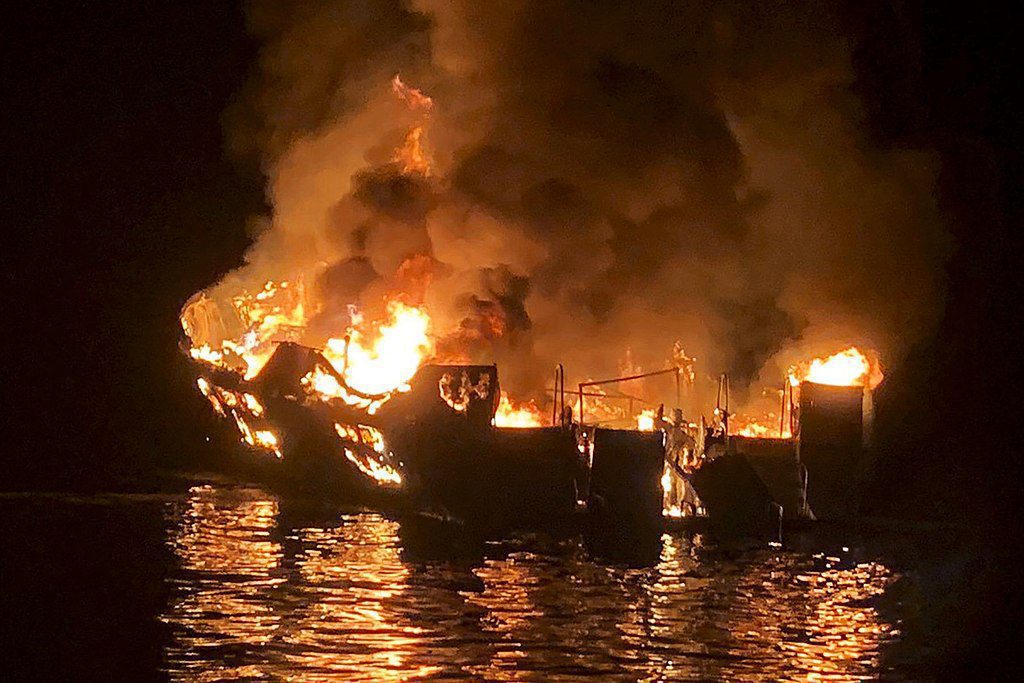
The manslaughter appeal of US dive-boat captain Jerry Boylan, following the 2019 Conception liveaboard fire that killed 34 people off the coast of California, has reignited debate around safety obligations in confined, commercial spaces. While the case itself centres on maritime law, the underlying themes – duty of care, escape routes, overnight supervision and fire risk from everyday items – echo strongly in the hair and beauty world, from busy UK salons to mobile stylists working in homes and studios.
Hair is not just aesthetic; it is also material – fine keratin strands, flammable styling products, electrical tools and tightly packed workstations all introduce risks that professionals are expected to manage. As courts scrutinise what counts as adequate safety in other industries, it becomes a timely moment for hair professionals and style-conscious clients to ask: how safe is our hair environment, really?
The Conception case in brief – and why it resonates beyond diving
In September 2019, a fire broke out aboard the Conception, a California-based dive liveaboard. Thirty-four people sleeping below deck died, many unable to reach exits. Prosecutors argued that the captain, Jerry Boylan, had failed to conduct night-time patrols and ensure effective emergency procedures. He was convicted of manslaughter, and his current appeal has been described by some commentators as legal “hair-splitting” over definitions of negligence and responsibility.
While this case belongs to maritime courts, its implications ripple much wider. In many service industries, including hair and beauty, there is an implicit contract: clients trust professionals not just with their appearance, but with their safety in enclosed spaces where fire, chemicals and electrics coexist. The Conception tragedy underlines that in high-risk environments, failing to anticipate foreseeable dangers – even if rare – can have catastrophic consequences.
For UK hair professionals, that translates into a few uncompromising principles:
- Clients must be able to exit quickly and safely if something goes wrong.
- Staff should understand – and practise – emergency actions, not just have them written in a folder.
- Commonplace items (chargers, extension leads, sprays, candles) can become fuel in seconds.
In practical terms, that might mean walking your own salon or studio today, asking: if the worst happened in the next 30 seconds, what would my clients do – and what would I do?
Fire risk in hairdressing: everyday tools, elevated stakes
Many UK stylists already take health and safety seriously, but the detail often lies in the mundane: how sockets are used, where aerosols are stored, and whether exit routes stay genuinely clear on a chaotic Saturday.
Typical hair environments combine several risk factors:
- High-heat tools: hairdryers, straighteners, tongs and hot brushes can reach temperatures above 200°C. Left on fabric or near paper, they can ignite materials surprisingly quickly.
- Flammable products: many styling sprays, alcohol-based products and aerosol dry shampoos are classed as flammable. When used near open flames or faulty electrics, they can intensify fires.
- Crowded layouts: cramped salons, home studios or backstage fashion environments can make it difficult to move fast in an emergency, especially for clients in capes, foils or rollers.
- Multiple chargers and cables: phones, tablets, cordless tools and ring lights often share a limited number of sockets, increasing the temptation to daisy-chain adaptors or use tired extension leads.
UK guidance, including advice from local fire and rescue services, tends to emphasise simple but strict habits rather than complex systems. Many stylists are encouraged to:
- Switch off and unplug electrical tools when not in active use.
- Keep aerosols and solvents away from direct heat sources.
- Regularly check plugs, leads and extension reels for signs of damage.
- Avoid overloading sockets and using non-UK-compliant electricals.
For clients, a low-effort action can be as simple as glancing at exits and noting whether your stylist keeps tools on heat-resistant mats rather than draped across towels or cluttered surfaces.
Duty of care: from boat captains to salon owners
The Conception appeal revolves, in large part, around what a reasonable person in charge of a vessel should have foreseen and prevented. Within hairdressing, regulations differ, but the underlying idea of duty of care is similar: if you create a space where people gather and pay for services, you shoulder a responsibility to anticipate risk.
In the UK, salon owners and self-employed stylists are generally expected to:
- Carry out regular fire risk assessments appropriate to the size and nature of the premises.
- Maintain extinguishers and alarms where required by local regulations or building use.
- Ensure staff know evacuation routes and meeting points.
- Keep training or drill records where formal risk assessments are in place.
Mobile and home-based stylists are not exempt from common sense: they still work with high-heat tools and flammable products in domestic spaces that might not have clear escape routes. Many experienced stylists suggest simple practices like positioning chairs so clients can stand and move without tripping over leads, and ensuring doors and corridors remain unobstructed during appointments.
The lesson from the Conception isn’t that hair professionals need to live in fear of worst-case scenarios, but that prevention often lies in routines: checking, unplugging, rehearsing, and refusing to cut corners when the salon gets busy.
Clients’ role: asking questions and noticing red flags
Safety is not only the responsibility of owners; clients can and should feel confident noticing and, where appropriate, querying unsafe set-ups. You are, after all, the one seated under a dryer or with foils in your hair, potentially unable to move quickly.
Without being confrontational, many clients find it reasonable to pay attention to:
- Blocked exits: coat stands, boxes or retail displays obscuring doors or corridors.
- Loose trailing cables: creating trip hazards along the main walkway.
- Obvious electrical damage: taped-over plugs, exposed wires or scorched sockets.
- Unattended high-heat tools: straighteners left switched on across fabric or paper.
If something feels significantly unsafe, you can politely mention it to your stylist or reception, or decide not to return. Similarly, if you are a stylist and a client’s behaviour seems risky – such as spraying their own product near heated tools or placing bags over exit routes – it’s reasonable to intervene.
Realistically, the next time you book a colour or styling appointment, you might simply add one mental step: as you sit down, quietly check where the exits are and how clear your path would be if you had to move quickly.
Explore More: Discover related reads from Hairporium — News • Guides • DIYs • Expert Articles.
Learn More: Explore detailed haircare routines and styling tips at Hairporium Guides.
Key Takeaways
- The Conception dive-boat tragedy highlights how quickly confined, commercial spaces can become deadly when fire breaks out and escape routes fail.
- Hair environments mix high heat, flammable products and crowded layouts, so UK salons and stylists must stay disciplined about electrics, aerosols and clear exits.
- Duty of care in hairdressing mirrors other industries: owners and self-employed stylists are expected to anticipate foreseeable risks and train staff in evacuation basics.
- Clients can play a role by noticing red flags – such as blocked exits and damaged sockets – and feeling empowered to choose safer spaces.
- A realistic step today is to walk your salon, studio or regular appointment venue as if an alarm had just sounded, and ask: could everyone get out quickly and calmly?
Frequently Asked Questions
Does a case like the Conception fire really have anything to do with hairdressing?
Indirectly, yes. While the Conception case is about maritime law, it centres on duty of care, escape routes and fire-prevention in enclosed commercial spaces – themes that also apply to salons, studios and mobile hairdressing environments.
What are the main fire risks in a typical UK salon?
Common risks include overheated styling tools, overloaded sockets, damaged extension leads, flammable aerosols used near heat, and cluttered layouts that obstruct exit routes. Good practice focuses on minimising each of these through simple, consistent habits.
As a salon owner, what can I reasonably do to improve fire safety?
Many professionals start with a written fire risk assessment, regular checks of electrics and products, clear signage for exits, staff training on evacuation, and a policy of unplugging tools when not in active use. Local fire services often provide accessible guidance.
Do home-based or mobile stylists need to think about this too?
Yes. Even in domestic spaces, high-heat tools, sprays and cables are involved. Mobile and home-based stylists can improve safety by positioning chairs near clear exits, avoiding overloaded sockets, and keeping pathways free from bags, trolleys and equipment.
What can clients look for to judge whether a salon feels safe?
Clear, unobstructed exits; tools on heat-proof mats; minimal cable clutter; sockets that look intact and modern; and staff who seem calm and organised. If you cannot easily see how you would leave in a hurry, it is reasonable to be cautious.
How does Hairporium view safety in relation to haircare?
Hairporium focuses on the broader wellbeing context of hair, which naturally includes safe environments. We aim to share evidence-aware, practical information so both stylists and clients can enjoy haircare that feels as secure as it is stylish.


