

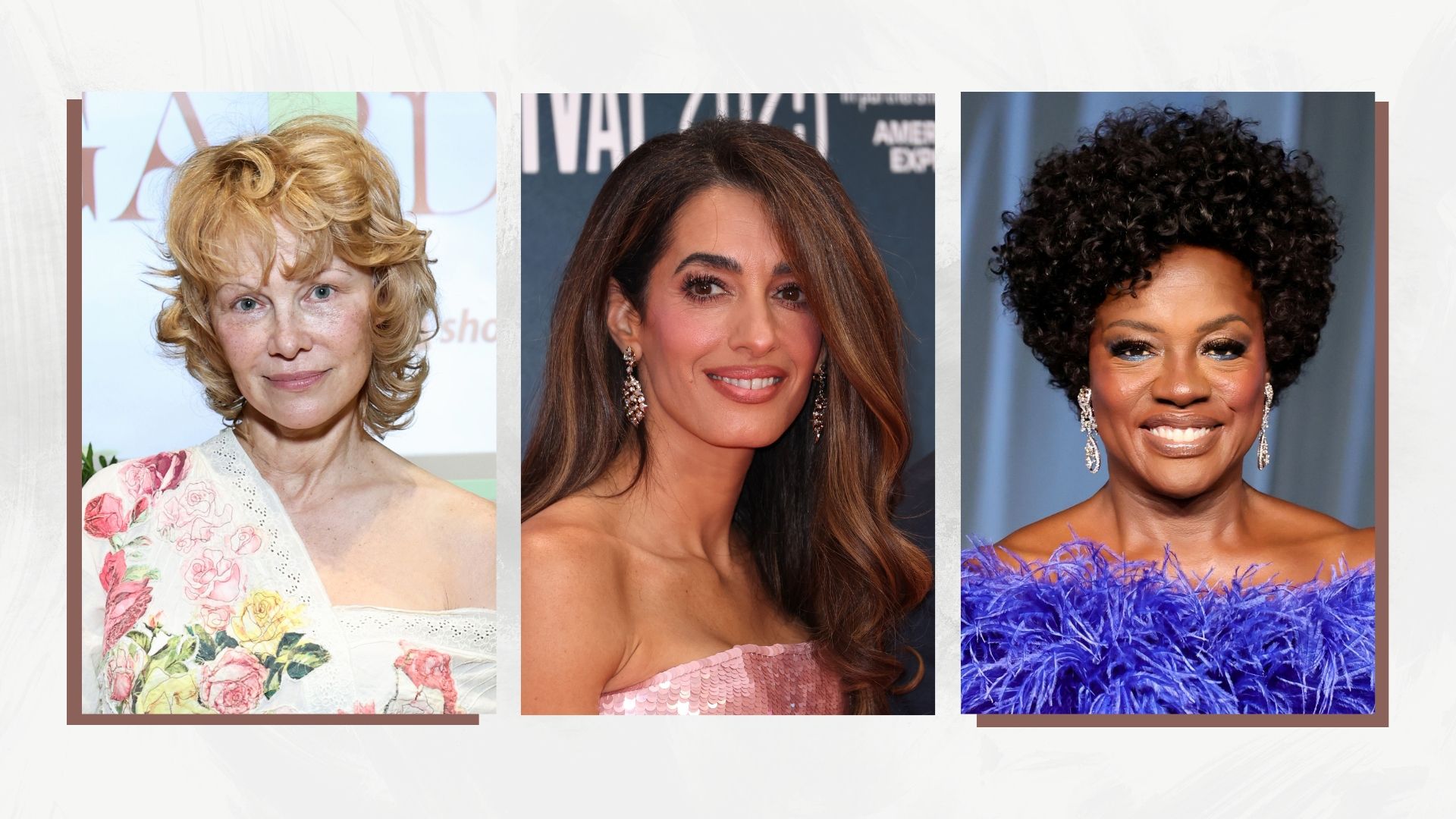
Want a glimpse of what we’ll all be asking for at the salon in 2026? You don’t need a crystal ball—just a clear sense of where UK stylists say taste is heading: away from overdone, high-maintenance looks and towards hair that appears healthier, more personalised, and easier to live with between appointments. The buzz for 2026 is about polished simplicity—cuts that move well, colour that grows out gracefully, and styling that enhances your natural texture rather than fighting it.
The original report highlights that the coming year will be shaped by “chic” decisions: think modern layers, wearable fringes, richer tones, and soft, expensive-looking shine. Below, we unpack what that means in real-world terms—how to talk to your stylist, what tends to suit different hair types, and what you can do next to get ahead of the trend curve without committing to something you can’t maintain.
Trend direction for 2026: polished, personal, and lower-maintenance
Across UK salons, the bigger shift is less about a single “it” haircut and more about a mindset: hair that looks elevated but still believable. Stylists often describe this as quiet luxury hair—subtle shape, tidy ends, and colour that looks naturally expensive rather than obviously processed.
In practice, that means you’ll likely see more clients choosing:
- Soft structure over harsh lines (blunter cuts can still be on-trend, but with movement and softness).
- Customisation (length, fringe, and layers adjusted to face shape, density, and styling habits).
- Grow-out friendly colour (root melts and tonal work that doesn’t create a stark line at week four).
- Hair health as the foundation (gloss, shine, and minimal heat damage; many stylists prioritise condition before major transformation).
Real-world next step: before your next appointment, note three things: how often you actually heat-style, how quickly your roots show, and whether you want your hair to air-dry well. Those answers will steer you towards the most realistic 2026-leaning look for you.
Chic 2026 cuts: movement, modern layers, and wearable fringes
Haircuts for 2026 are forecast to look intentionally “done” without demanding daily effort. The most requested shapes are likely to build body and lightness through strategic layering rather than heavy thinning. For those growing their hair, the emphasis is on keeping the perimeter fresh while creating movement through the mid-lengths.
What “chic” tends to translate to on the cutting floor:
- Airy long layers that add movement without sacrificing fullness—especially helpful for thicker hair that can feel heavy.
- Soft bobs that sit neatly but don’t look helmet-like; many stylists will add subtle internal texture for a lighter finish.
- Fringes that blend (from curtain-style shapes to longer, side-swept options) designed to grow out gracefully.
- Face-framing pieces around the cheekbones and jaw, tailored to your styling routine and natural parting.
How to ask for it in a UK salon: request “movement through the mid-lengths, a tidy perimeter, and face-framing that works when I air-dry.” If you’re fringe-curious, ask for one that can be tucked behind the ear (an easy test-drive before committing).
2026 colour trends: richer tones, subtle dimension, and better grow-out
Colour in 2026 is predicted to look more refined and tonal. Rather than high-contrast stripes or overly ashy finishes, expect a return to depth, shine, and believable dimension. This aligns with what many colourists already prioritise: a result that photographs beautifully, looks glossy indoors and out, and doesn’t require constant top-ups.
These are the colour directions likely to dominate appointment requests:
- Expensive brunette tones: warm-leaning or neutral, multi-tonal browns that read glossy and healthy.
- Soft “lived-in” blondes: nuanced lightness with root melts and gentle ribbons—less stark regrowth, more natural transition.
- Strawberry, copper, and warm reds: often in wearable, softened versions rather than ultra-bright hues.
- Gloss-first appointments: tonal refreshes and shine treatments that enrich colour without a dramatic overhaul.
A note on scalp sensitivity: if you’ve ever experienced irritation with colour services, many colourists recommend mentioning it upfront so they can adjust approach (for example, placement and processing choices). When in doubt, a patch test is a sensible step—especially with new formulas or unfamiliar salons.
Real-world next step: take two photos in natural daylight: one of your current colour at the roots and one through the ends. Bring them to your consultation and say, “I want this to look glossy and blended as it grows out.” You’ll get a more precise plan than relying on trend names alone.
Styling and maintenance: shine, texture, and routines that hold up
The 2026 look isn’t about elaborate styling—it’s about hair that looks well cared for. That usually starts with a cut and colour designed for your lifestyle, then a simple at-home routine that supports softness and shine. Many stylists are steering clients towards techniques that enhance natural texture: smoother blow-dries that still move, soft waves that aren’t overly set, and air-dried finishes that look intentional.
To make a trend-led cut or colour feel “chic” day to day, focus on fundamentals:
- Shine and smoothness: gentle cleansing, regular conditioning, and finishing routines that reduce frizz without heaviness.
- Heat strategy: lower temperatures and fewer passes; if you heat-style, consistency matters more than maximum heat.
- Trim cadence: micro-trims can keep ends looking expensive even when you’re growing length.
- Brush and friction control: less tugging and better detangling habits can make hair look healthier over time.
If your goal for 2026 is “effortless,” your best investment is your appointment plan—when you’ll refresh gloss/toner, when you’ll trim, and how you’ll style between. A well-timed maintenance schedule often makes the difference between hair that looks salon-fresh for a week and hair that stays chic for months.
Key Takeaways
- 2026 hair trends lean towards polished, believable results: soft structure, healthy shine, and personalised shape.
- Modern layers, wearable fringes, and movement-focused cuts are likely to be major salon requests in the UK.
- Colour is forecast to be richer and more tonal—think glossy brunettes, lived-in blondes, and softened warm reds.
- Grow-out friendly techniques (root melts, subtle dimension) will matter as much as the initial colour result.
- To act on the trend now, bring daylight photos to your consult and ask for a plan that suits your styling habits.
Frequently Asked Questions
Which 2026 hair trend is the easiest to maintain?
Most low-maintenance options come from subtle upgrades: soft layers that support air-drying, and tonal colour with a blended root (so regrowth looks intentional rather than abrupt).
Will fringes still be popular in 2026?
Fringes are expected to remain relevant, but in more wearable forms—longer, blended shapes that can be swept aside or tucked away as they grow.
What should I ask for if I want “expensive-looking” hair without a dramatic change?
A gloss/toner refresh combined with a tidy perimeter trim and light face-framing can deliver a noticeably more considered look without removing much length or changing your base colour.
How do I choose a trend that suits my hair type?
Use the trend as inspiration, then tailor it with your stylist. Share how your hair behaves when air-dried, whether it’s fine or thick, and how much time you’ll realistically spend styling.
Are warm shades like copper and strawberry blonde hard to maintain?
They can fade faster than some cooler tones, so many colourists recommend planning for periodic tonal refreshes. The exact upkeep depends on your starting colour, porosity, and routine.
How far ahead should I book colour and trims for 2026?
If you prefer certain days/times or a specific colourist, booking key appointments in advance can help—particularly for seasonal changes when salons are busiest.
Explore More: Discover related reads from Hairporium — News • Guides • DIYs • Expert Articles.
Learn More: Explore detailed haircare routines and styling tips at Hairporium Guides.


More in Hair guides
Nicole Kidman’s natural curls are a timely reminder: healthy texture comes from technique, not pe...
A practical UK guide to Bardot-inspired hair: lifted crown, soft texture and brushed-out waves, w...
Facial hair and weight changes can be part of a broader hormonal picture, including PCOS. Here’s ...
From romantic soft wave bobs to laser-sharp lines, the 2026 bob is all about adaptable styling. H...
A modern fringe can be a surprisingly effective way to disguise thinning at the hairline and crow...
Hair shedding can feel alarming, but everyday habits—tight styles, heat, rough handling and scalp...
A stylist-approved “invisible face-lift” haircut uses face-framing layers and subtle lift to refr...
A stylist-informed guide to what “thicker” and “shinier” really mean in haircare — and the practi...
A UK-focused guide to the most flattering short haircuts for women over 60—how to choose between ...
A stylist-led guide to protecting hair under heat and lights, using sprays correctly and getting ...
View all hair guides