

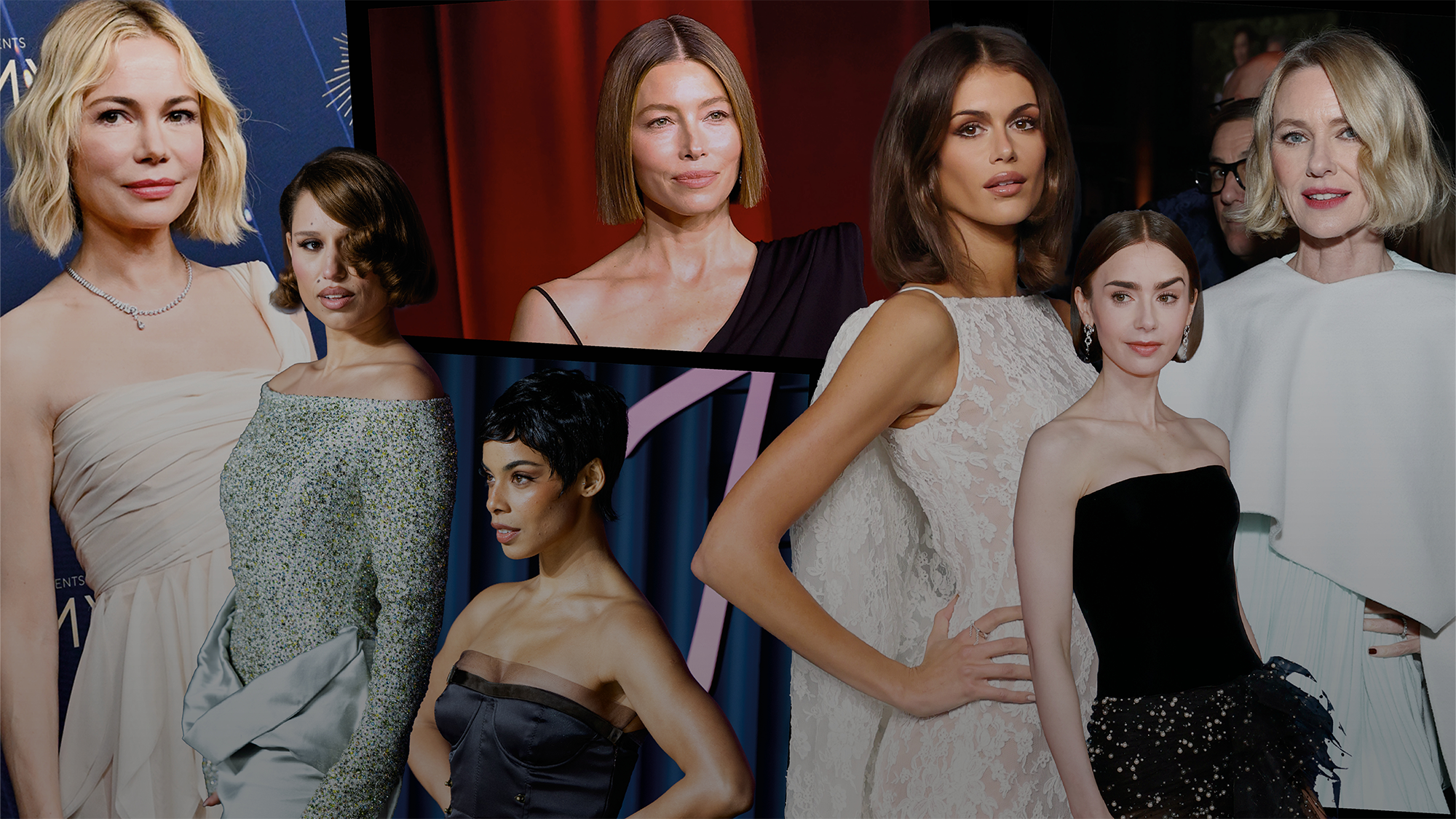
The bob isn’t going anywhere—if anything, it’s becoming the most adaptable “choose-your-own-adventure” haircut going into 2026. As trend cycles move faster (and salon appointments feel more precious), the bob remains a smart option because it can be styled to look romantic, directional, polished or effortless without needing constant cutting. The latest conversation around bobs highlights two strong style moods: soft, touchable shapes with movement, and sharper, laser-clean lines that look intentionally modern.
What makes this feel especially relevant for UK hair routines is that the bob works brilliantly with real life: changeable weather, scarf season, busy commutes, and the need for hair that can be refreshed quickly on day two and three. Below, we break down the key bob directions being talked about for 2026—and how to style them in a way that suits your hair type, lifestyle, and finish preference.
1) The soft wave bob: romantic texture without the ‘done’ look
Soft wave bobs lean into movement: think gentle bends, relaxed volume at the mid-lengths, and endings that don’t look overly curled. This style tends to flatter a wide range of face shapes because it softens the outline of a shorter cut, and it’s forgiving if your bob is in that in-between phase (just grown past the jaw, not quite collarbone).
How to style it well: the key is creating “air” in the hair rather than tight curl definition. Many session stylists recommend working with bigger barrel tools and brushing out texture to keep it modern.
- Prep for longevity: On damp hair, apply a lightweight blow-dry primer and a small amount of mousse at the roots if you want lift (especially if your bob tends to collapse).
- Blow-dry direction: Dry the hair with the nozzle pointing downward to smooth the cuticle, then add movement by lifting sections at the root with a round brush.
- Create bends, not curls: Use a large-barrel curling iron or wand and alternate directions. Leave the last 1–2cm out to keep ends contemporary.
- Finish like a pro: Let sections cool, then use a wide-tooth comb or brush and finish with a light texture spray. If your ends flick out, a tiny amount of styling cream can calm them down.
Practical next step: If your mornings are tight, set 4–6 large bends in your bob the night before, pin to cool for 10 minutes while you do skincare, then brush out and go.
2) The laser-sharp bob: sleek lines and high-gloss finish
At the other end of the spectrum sits the crisp, graphic bob: a strong one-length perimeter with a reflective, glossy finish. This look reads expensive because it focuses on clean lines and condition. It’s often paired with a centre part for symmetry, but can also look striking with a deep side part if you want a more editorial feel.
How to style it well: smoothness starts in the prep. Many stylists prioritise hydration and heat protection, then use tension while blow-drying to set the shape before going in with a straightener.
- Blow-dry with tension: Use a paddle brush or a round brush and work in sections, keeping the airflow directed down the hair shaft.
- Use your straighteners strategically: One slow pass is usually better than multiple quick passes. If ends turn under too much, straighten to the ends and then angle slightly outward for a straighter finish.
- Choose shine, not grease: A small amount of lightweight serum or shine spray on the mid-lengths and ends gives gloss without collapsing volume.
UK reality check: If rain and humidity are your nemesis, keep a mini anti-frizz product in your bag and smooth over flyaways once you’re indoors—trying to “fight” frizz outside can make hair feel tacky.
3) Shape matters: how to match a 2026 bob finish to your hair type
Trends are useful, but the most successful bob is the one that behaves well between appointments. Even within “bob” there’s a lot of variation—micro-bobs, jawline bobs, blunt collarbone bobs—each with different styling demands. The finish you choose should reflect your natural texture, density and growth pattern.
- Fine hair: Softer wave bobs can create the illusion of fullness, especially if you add lift at the roots. Avoid heavy oils; they can make fine bobs look limp quickly.
- Thick hair: Blunt bobs can look incredible, but you may need internal weight removal or subtle layering for movement. When styling sleek, work in smaller sections to avoid “puffy” bulk.
- Naturally wavy hair: Lean into the soft wave bob—enhancing your natural pattern often looks more modern than forcing super-sleek results daily.
- Curly/coily hair: Bobs can be stunning with curls; the key is ensuring the shape is cut with shrinkage and curl pattern in mind. Many curl specialists recommend styling on soaking wet hair with a leave-in and gel, then diffusing for definition.
When it comes to scalp comfort, it’s worth keeping product build-up in mind—especially with shorter hair where styling products can sit closer to the scalp. Dermatologists often suggest cleansing regularly and being cautious with heavy occlusive products if you’re prone to irritation.
4) Make your bob last longer between washes and trims
A bob can be low-fuss, but it’s also honest: if it’s over-styled or under-maintained, it shows. The good news is that small habit shifts can make your bob look fresher for longer—no constant hot tools required.
- Sleep protection: A silk or satin pillowcase helps reduce friction (useful for both sleek and wavy bobs).
- Day-two refresh: Mist with water or a light leave-in, re-set only the front pieces with a tool, and finish with a touch of texture spray.
- Parting trick: Swap your parting (centre to off-centre) to add instant lift and disguise flat roots.
- Trim timing: Blunt bobs often look best with more regular maintenance; if you prefer a softer grow-out, ask your stylist for a shape that keeps movement as it lengthens.
Practical next step: At your next appointment, ask your stylist to show you one styling technique you can replicate at home—like how to angle your brush for bend at the ends. One demonstrable technique often changes your whole routine.
Key Takeaways
- In 2026, bobs continue to trend in two key directions: romantic soft waves and laser-sharp, sleek lines.
- The most modern soft wave bob is built on gentle bends, brushed-out texture, and light finishing—not tight curls.
- A sleek, sharp bob looks best when smoothness starts at the blow-dry stage, with minimal straightener passes and controlled shine.
- Match the finish to your hair type: fine hair benefits from airy volume, while thicker textures may need internal shaping for a cleaner line.
- Make your bob easier to live with using simple habits—sleep protection, quick refresh techniques, and a trim schedule that suits your chosen shape.
Frequently Asked Questions
Are bobs still fashionable in 2026?
Yes—bobs remain a core haircut trend because they can be styled to feel classic or directional, and they adapt well to different textures and lifestyles.
What’s the easiest bob style to maintain day to day?
A softly textured bob is often easiest because it works with natural movement and looks good slightly undone. You can refresh it quickly without re-styling every section.
How do I stop my bob flipping out at the ends?
Try blow-drying with the nozzle directed downward, then use a brush to guide the ends. Finish with a tiny amount of smoothing cream or serum on the last few centimetres.
Can I wear a sleek, blunt bob if my hair is naturally wavy?
You can, but it typically requires more heat styling and humidity-control. Many stylists suggest embracing a softer finish most days and saving ultra-sleek styling for specific occasions.
How often should I trim a bob?
It depends on the shape you want. Sharper, one-length bobs usually need more frequent trims to keep the line crisp; softer bobs can grow out more gracefully.
What’s the best way to add volume to a fine-hair bob?
Focus on root lift: use mousse or a light volumising spray before blow-drying, lift the roots with a brush, and avoid heavy oils that can weigh hair down.
Explore More: Discover related reads from Hairporium — News • Guides • DIYs • Expert Articles.
Learn More: Explore detailed haircare routines and styling tips at Hairporium Guides.


More in Hair guides
Nicole Kidman’s natural curls are a timely reminder: healthy texture comes from technique, not pe...
A practical UK guide to Bardot-inspired hair: lifted crown, soft texture and brushed-out waves, w...
Facial hair and weight changes can be part of a broader hormonal picture, including PCOS. Here’s ...
UK stylists are already spotlighting 2026’s chic hair direction: softer cuts with movement, riche...
A modern fringe can be a surprisingly effective way to disguise thinning at the hairline and crow...
Hair shedding can feel alarming, but everyday habits—tight styles, heat, rough handling and scalp...
A stylist-approved “invisible face-lift” haircut uses face-framing layers and subtle lift to refr...
A stylist-informed guide to what “thicker” and “shinier” really mean in haircare — and the practi...
A UK-focused guide to the most flattering short haircuts for women over 60—how to choose between ...
A stylist-led guide to protecting hair under heat and lights, using sprays correctly and getting ...
View all hair guides