
Recent Post

Oral minoxidil for hair growth: what UK experts want you to know

Hair Cryotherapy for Shine: What Happens When You ‘Freeze’ Hair?

Ashley Park’s Cherry Red Hair Is the Bold Colour Moment to Know

Raymond van Barneveld’s Hair Tattoo: What It Means for Men’s Hair

Raymond van Barneveld’s Hair: Why Athletes’ Styles Become Headlines

Hair trends for 2026: cowboy bobs, modern shags and healthier hair
Leave a comment
Brassy Hair: Why Warm Blonde Is Set to Dominate 2026
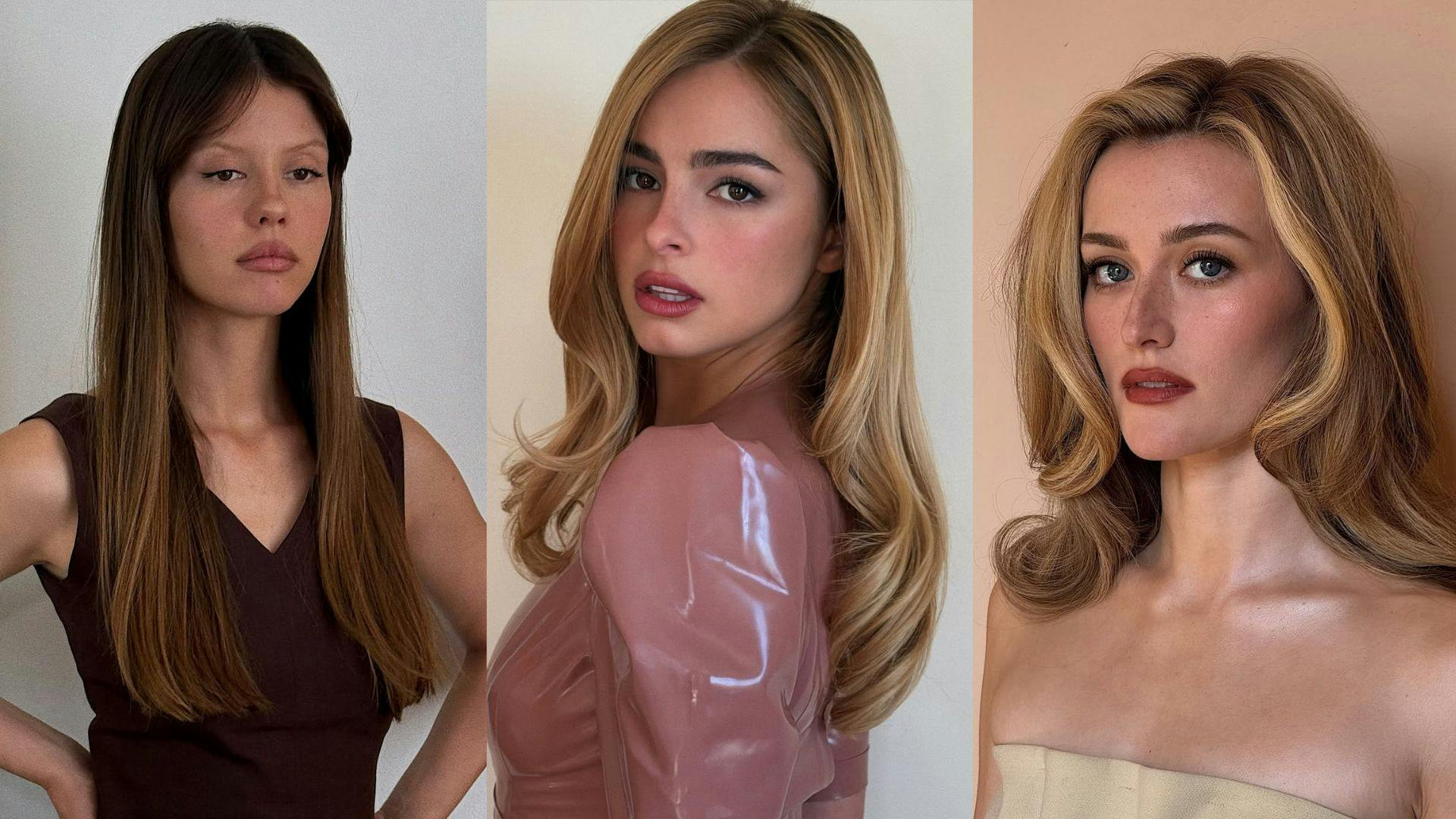
For years, “brassy” was the word you never wanted to hear in the salon chair: a warning sign that blonde had drifted too warm, too yellow, too orange. But 2025 has quietly rewritten that rulebook — and, as we move into 2026, warm, golden, deliberately brassy tones are being repositioned as a confident aesthetic choice rather than a colour mishap. Driven by a run of celebrity looks and a broader shift away from icy perfection, brassy hair is emerging as a wearable, flattering trend that suits real life: real lighting, real maintenance schedules, and real hair health priorities.
The nuance matters. Today’s “brassy” isn’t about neglected colour or patchy lift; it’s about intentional warmth, soft reflect, and a tone that makes skin look alive — especially in the UK, where winter light can flatten cooler blondes and emphasise sallowness. Many colourists are now using warmer formulas on purpose, balancing gold and beige, and swapping the pursuit of ash for the kind of glow that looks expensive precisely because it looks natural.
From colour “problem” to fashion statement: why the shift is happening now
Fashion and beauty trends rarely change because of one thing. Brassy hair’s rise points to a mix of cultural taste and practical haircare reality:
- Trend fatigue with ultra-ashy blondes: The last decade’s obsession with cool, greyish blondes and “icy” finishes has been beautiful — but it’s also high-maintenance. A warm blonde grows out more softly and often looks more believable on a wider range of natural bases.
- A renewed love of “sunlit” tones: Warmth reads as light-catching and youthful. In editorial and red-carpet styling, golden hair photographs beautifully, delivering dimension without heavy contrast.
- Modern luxury looks less rigid: The broader beauty mood has shifted toward effortless polish. In hair terms, that can mean embracing a lived-in tone rather than chasing a perfectly neutralised result every four to six weeks.
- Health-first colouring conversations: Many stylists increasingly prioritise minimising damage: fewer aggressive toning cycles, smarter lift plans, and better aftercare. Warm blondes can sometimes be achieved with less push-and-pull on the cuticle than constant violet toning and repeated re-lifts.
In other words, the “why” isn’t just aesthetics — it’s also maintenance, cost, and condition. In a UK salon context, where clients often juggle commuting, busy schedules, and unpredictable weather (hello, frizz), a colour direction that looks good for longer makes sense.
What brassy hair actually means in 2026 (and what it doesn’t)
Let’s clarify the terminology, because “brassy” can still be used as a warning in technical colour language. Traditionally, brassiness refers to warm undertones (yellow, gold, copper, orange) becoming overly visible after lightening. That can happen when:
- Hair is lifted to a stage that exposes underlying pigment (particularly on darker natural bases).
- Toner fades quickly due to washing habits, heat styling, or porous ends.
- Mineral build-up from hard water interferes with tone or increases dullness and warmth.
But the 2026 version is a controlled, styled warmth — think golden blonde, honey, caramel, and soft copper-gold rather than patchy yellow. The key difference is placement and intention: warm is used to add shine and richness, not as a side-effect of colour fading.
If you’re trying to picture it, imagine the tonal difference between a flat, yellowed blonde and a luminous, buttery blonde that looks like it’s been gently warmed by sunlight. The latter is what colourists are aiming for — warmth with dimension.
How to ask for brassy hair in a UK salon (without getting the “accidental” version)
The biggest challenge with trend-led colour names is translation. If you walk in and request “brassy,” a cautious colourist may hear “I don’t mind if it goes wrong.” A better approach is to bring reference images and use more precise language.
Try these practical phrases:
- “Warm golden blonde with a beige balance” (great if you want glow without orange)
- “Buttery blonde, not icy” (clear direction away from ash)
- “Honey tones through the mids and ends, with a softer root” (helps longevity and avoids stripiness)
- “Caramel ribbons / warm balayage” (ideal if you’re naturally darker and want a gradual change)
Then, confirm the maintenance plan. Many stylists recommend agreeing on:
- Root strategy: a shadow root or root melt can keep warmth looking modern, not harsh.
- Toner expectations: warm toners still fade; the goal is a flattering fade, not a forever tone.
- At-home care: colour-safe cleansing, heat protection, and occasional glossing help keep warmth looking rich rather than “raw.”
Next step you can do this week: take two photos of your hair in daylight — one near a window, one outdoors — and note whether your warmth looks golden (pleasant) or orange/yellow (unwanted). That quick check makes your salon consultation far more accurate.
Keeping warm blonde glossy, not brassy: best-practice aftercare
Warm tones are gorgeous — but they look their best when the hair is reflective and the colour is even. The “unflattering brass” problem often isn’t only tone; it’s sometimes porosity and build-up, which can make ends grab colour differently and turn warm tones murky.
Hair professionals often suggest focusing on three pillars:
- Shine and cuticle care: a weekly conditioning mask or bond-supporting treatment helps hair hold tone more evenly.
- Smart toning (not constant toning): purple/blue products can be useful, but overuse may dull warmth and make blonde look flat or smoky. Many colourists recommend using them only when you see unwanted yellow/orange, not as an everyday shampoo.
- Mineral management: in hard-water areas (common across the UK), occasional clarifying can help remove deposits that impact colour clarity. If you swim, a pre-swim rinse and protective product can reduce chlorine-related tonal shifts.
Heat styling is another make-or-break variable. High temperatures can accelerate fading and dryness, which makes warm blonde look less “glowy” and more “stressed.” Keeping tools below very high heat where possible, and using a reliable heat protectant, is a simple change with visible payoff.
Explore More: Discover related reads from Hairporium — News • Guides • DIYs • Expert Articles.
Key Takeaways
- “Brassy” is being redefined for 2026: intentional golden warmth rather than an accidental yellow fade.
- Warm blondes can be more forgiving in UK lighting and often grow out more softly than icy tones.
- Ask for “buttery,” “honey,” or “golden beige” tones to communicate the trend clearly in the salon.
- Gloss and condition matter as much as tone — healthy cuticles make warm colour look expensive, not brassy.
- Use purple/blue shampoos sparingly and consider occasional clarifying if hard water or build-up is affecting your tone.
Frequently Asked Questions
Is brassy hair the same as warm blonde?
Not exactly. In salon language, “brassy” can describe unwanted warmth that appears as colour fades. The 2026 trend is closer to intentional warm blonde — honey, buttery, golden or caramel tones with controlled placement and shine.
Will warm blonde suit cool-toned skin?
Often, yes — it depends on the balance. Many colourists use a beige-gold approach (rather than strong orange) to keep warmth flattering on cooler complexions. If you’re unsure, ask for a softer warm gloss first before committing to a bigger lift.
How do I stop warm blonde turning orange?
Orange usually signals over-exposed underlying pigment, uneven porosity, or rapid toner fade. A salon gloss, heat protection, fewer very hot styling sessions, and occasional clarifying in hard-water areas can help the tone stay golden rather than coppery.
Should I use purple shampoo if I want warm hair?
You can, but strategically. Purple shampoo neutralises yellow; blue neutralises orange. If your goal is a warm, golden finish, overusing toning shampoos may dull your colour and reduce shine. Many stylists recommend using them only when you notice unwanted brass rather than as a default wash-day product.
What colour service is best for trying warm tones with minimal commitment?
A salon gloss/toner (often described as a “glaze”) over existing highlights is a common, lower-commitment route. Another option is warm balayage, which grows out softly and can be adjusted each appointment.
Can brassy hair be a sign of damage?
Warmth itself isn’t damage, but very porous or stressed hair can hold tone unevenly, making colour look patchy or overly warm in places. If your ends fade faster than your roots, ask your stylist about conditioning or bond-supporting options alongside colour.
Learn More: Explore detailed haircare routines and styling tips at Hairporium Guides.


