
Recent Post

What to Know About ‘Doctor-Recommended’ Thickening Hair Foams

Oral minoxidil for hair growth: what UK experts want you to know

Hair Cryotherapy for Shine: What Happens When You ‘Freeze’ Hair?

Ashley Park’s Cherry Red Hair Is the Bold Colour Moment to Know

Raymond van Barneveld’s Hair Tattoo: What It Means for Men’s Hair

Raymond van Barneveld’s Hair: Why Athletes’ Styles Become Headlines
Leave a comment
Oral minoxidil for hair growth: what UK experts want you to know
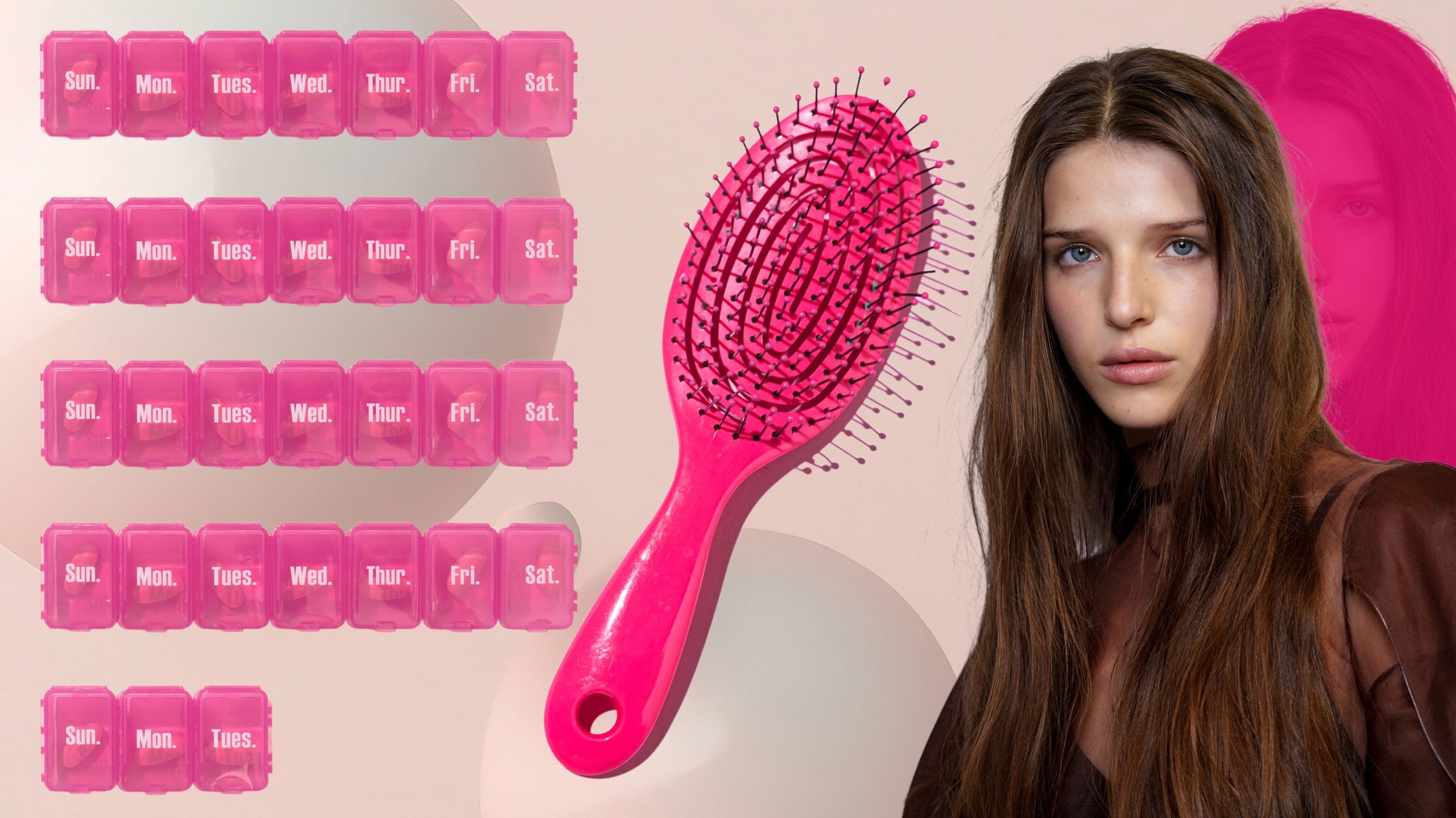
Oral minoxidil is having a moment on social media and in celebrity hair chatter, often described as a faster route to fuller hair than topical solutions. But while dermatologists increasingly discuss it as an off-label option for certain types of hair loss, it isn’t a casual “growth vitamin” swap-in. In practice, many clinicians emphasise that results vary, side effects are possible, and it needs thoughtful medical supervision—particularly because minoxidil was originally developed as a blood-pressure medication.
This article unpacks what oral minoxidil is, who might be considered a candidate, what the risk–benefit conversation usually includes, and the realistic steps you can take next if hair thinning is worrying you.
What is oral minoxidil, and why is it trending now?
Minoxidil is best known in the UK as a topical treatment for pattern hair loss, commonly used on the scalp. Oral minoxidil uses the same active ingredient but in tablet form. Because it works systemically (throughout the body), some dermatologists report it can be useful for patients who:
- cannot tolerate topical minoxidil (for example, due to irritation or contact dermatitis from solvents),
- struggle to apply topical treatments consistently, or
- have significant shedding where a clinician believes a systemic approach may be appropriate.
Its popularity has also been amplified by a broader “hair longevity” trend: readers are increasingly seeking long-term strategies for density, not just quick styling wins. However, it’s important to keep expectations grounded. Oral minoxidil is not positioned by responsible clinicians as a universal shortcut; it is a prescription-only medicine and typically considered after an assessment of diagnosis, triggers, and overall health.
Benefits you may hear about—and the caveats that matter
Dermatologists often discuss oral minoxidil in relation to common concerns such as female pattern hair loss, male pattern hair loss, and some cases of chronic shedding. The appeal is understandable: a once-daily tablet sounds more convenient than a twice-daily topical, and some patients report improved thickness over time.
But the phrase “speed up hair growth” can be misleading. Hair growth is biologically slow: follicles cycle through growth (anagen), transition (catagen), and rest/shedding (telogen). Even with effective treatment, visible change typically takes months—especially when you’re aiming for genuine density rather than a cosmetic effect like shine or volume.
Many clinicians also highlight that initial shedding can occur when starting minoxidil (topical or oral). This is sometimes described as a “dread shed” and can feel alarming, particularly if hair loss is already emotionally difficult. It doesn’t mean the treatment is failing, but it does need explanation, realistic timelines, and a plan for monitoring.
Where readers should be especially cautious is in treating oral minoxidil like a low-stakes beauty hack. Because it acts on the cardiovascular system, prescribers typically factor in blood pressure, heart health history, other medications, and how you respond over time.
Side effects and safety: why supervision isn’t optional
Oral minoxidil’s risks are the reason dermatologists and GPs tend to take a careful approach. While not everyone experiences side effects, it’s commonly discussed that systemic minoxidil can cause unwanted hair growth in places you didn’t intend (such as the face), and may affect fluid balance or blood pressure. In clinical conversations, prescribers may also discuss symptoms that should prompt urgent review.
Because every patient profile is different, the safest framing is: oral minoxidil may be appropriate for some people under medical care, but it isn’t suitable for everyone, and it should not be sourced or dosed without a clinician who can evaluate contraindications and follow up properly.
Another practical point: treating hair loss effectively often means treating the cause. Low iron stores, thyroid changes, postpartum shifts, rapid weight loss, stress, traction from tight styles, and scalp inflammation can all contribute to shedding or breakage. If the driver isn’t addressed, any growth-supporting treatment can feel disappointing.
- If your shedding is sudden: many clinicians recommend checking for triggers (illness, stress, nutritional changes, new medications) and getting a basic work-up.
- If thinning is gradual on the crown/parting: an assessment for pattern hair loss can help you choose evidence-informed options.
- If breakage is a major factor: you may need a haircare and styling reset rather than a growth medication.
What to do next (a realistic UK-focused plan)
If you’re tempted by oral minoxidil because your hair feels thinner, the most useful next step is not to hunt for a “best dose” online—it’s to confirm what you’re actually dealing with. In the UK, that can mean starting with a GP appointment (particularly if the change is new, fast, or paired with other symptoms) or seeking a consultation with a GMC-registered dermatologist who has experience in hair disorders.
Bring a clear picture of your baseline. Photos taken in consistent lighting and parting, once every 4 weeks, can be genuinely helpful for tracking. Many stylists also recommend keeping notes about styling tension, heat use, chemical services, and any recent life changes, because hair often reflects what happened 8–12 weeks earlier.
While you’re waiting for professional advice, you can support the condition of the hair you have—without making medical claims or “miracle” promises:
- Prioritise gentle detangling and lower-tension styles, especially if you wear extensions, braids, or slicked-back looks.
- Keep heat styling intentional: use the lowest effective temperature and avoid repeated passes on the same section.
- Optimise scalp care: cleanse regularly for your scalp type and avoid heavy build-up that can make hair look flatter.
- Choose routines that reduce breakage (conditioning, bond-support where appropriate, trimming split ends).
Hairporium’s stance is simple and reader-first: treatments with systemic effects deserve evidence-aware guidance. A strong plan combines professional assessment, realistic timelines, and supportive care habits you can stick to.
Key Takeaways
- Oral minoxidil is a prescription medicine discussed by dermatologists as an off-label option for some hair-loss patterns.
- It’s trending partly because it seems convenient, but “faster growth” still takes months to show in real density.
- Because it acts systemically, side effects are possible and medical supervision is essential.
- Hair loss has many causes; treating the underlying trigger can matter as much as any growth treatment.
- Next step: document changes with monthly photos and seek a GP or dermatologist assessment before considering oral medication.
Frequently Asked Questions
Is oral minoxidil available in the UK?
Oral minoxidil is a prescription medicine. A clinician may prescribe it in specific circumstances, often discussed as off-label for hair loss. Availability and suitability depend on individual assessment and medical history.
Is oral minoxidil “better” than topical minoxidil?
Not necessarily. Some people prefer topical use because it’s localised to the scalp, while others may be considered for oral treatment if topical causes irritation or is difficult to use consistently. The “best” option depends on diagnosis and tolerance.
How long does it take to see results?
Hair growth is slow. Many clinicians advise allowing several months to judge change meaningfully, and to use consistent photos to avoid being misled by daily fluctuations in styling and lighting.
Can oral minoxidil cause facial hair growth?
Systemic treatments can sometimes cause unwanted hair growth in areas beyond the scalp. If this occurs, it should be discussed promptly with the prescriber to weigh the benefits and downsides.
What should I ask at a hair-loss appointment?
Ask what type of hair loss is suspected, whether blood tests are recommended, what timelines are realistic, what side effects to watch for, and how progress will be monitored (photos, follow-up schedule, and treatment adjustments).
Explore More: Discover related reads from Hairporium — News • Guides • DIYs • Expert Articles.
More From the Experts: Read interviews and insights from stylists and professionals on Hairporium Expert Articles.


