

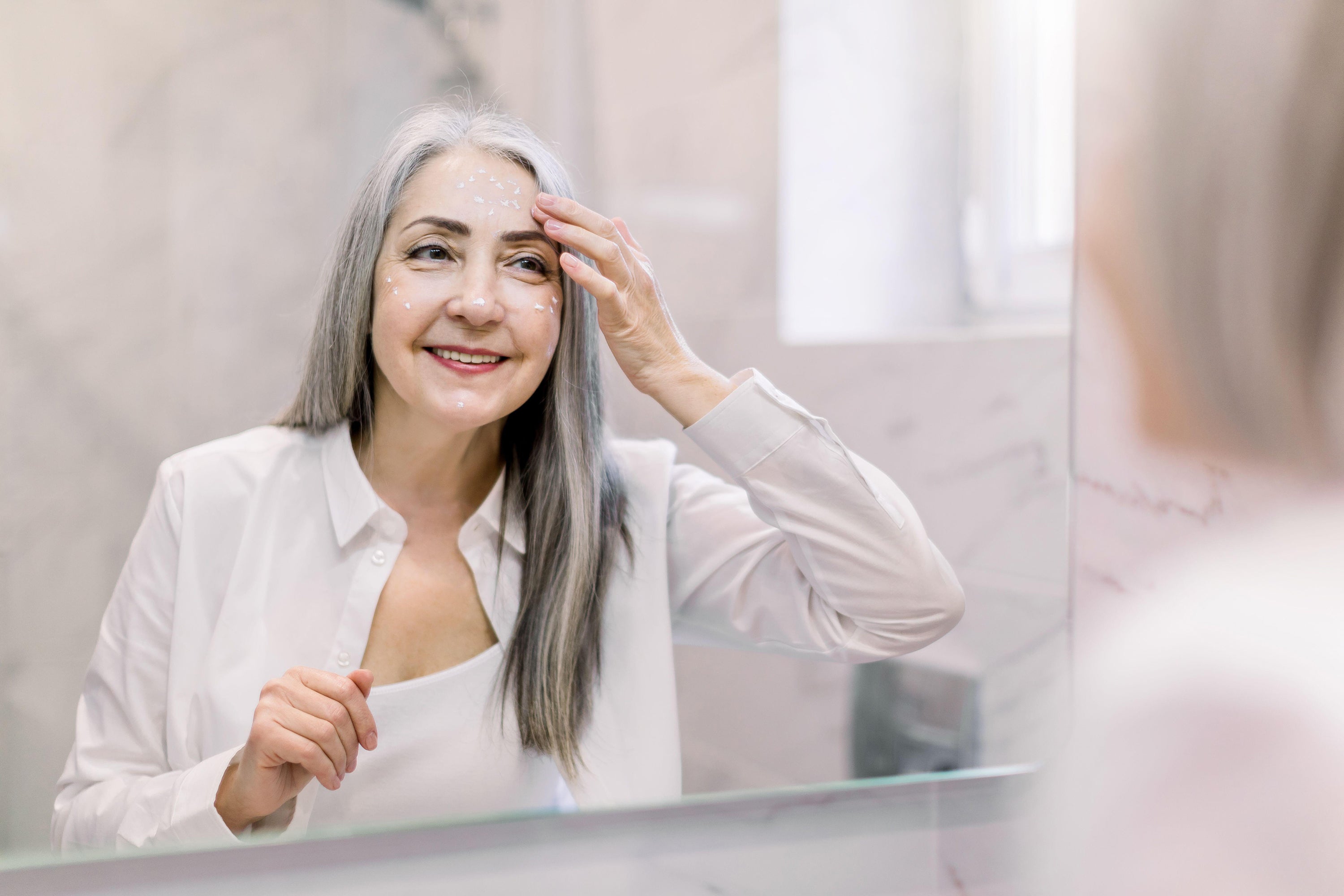
Grey hair is usually filed under “ageing, genetics, and stress” — but emerging research is reframing it as something more biologically revealing. A recent report highlighted by The Independent points to a surprising connection: the same protective processes that help prevent damaged cells from becoming malignant may also contribute to greying. In other words, a grey strand could be a tiny, visible sign of a cell opting to stop dividing rather than taking the risk of going rogue.
It’s important to keep this in perspective. This is not the same as saying grey hair is a warning sign of cancer, nor that going grey means you’re “safe” from it. Rather, scientists are using hair follicles as a model to understand how cells age, how they respond to stress and DNA damage, and how the body balances regeneration with safety. For hair lovers, it’s a fascinating reminder that every colour change has a story — and that hair science often mirrors bigger conversations in health and longevity.
Why hair goes grey: the melanocyte “supply chain” explained
Hair colour is driven by melanin, produced by specialised pigment-making cells (melanocytes) and their stem-cell “reservoir” within the hair follicle. Each hair cycle (growth, rest, shedding) depends on a well-timed reboot: stem cells replenish pigment cells, and pigment cells deposit colour into the growing hair fibre.
With age, that system becomes less reliable. Many researchers describe greying as a combination of stem-cell depletion, reduced function, and changes in the follicle environment. Genetics plays the starring role — it’s why some people find their first greys in their teens while others reach midlife with minimal change.
However, greying isn’t simply a cosmetic clock. It’s also a window into how stem cells respond when they’re under pressure, including oxidative stress (a build-up of reactive molecules that can damage cells) and accumulated DNA damage over time.
The surprising link: greying as a safety mechanism in ageing cells
The key idea discussed in the report is that some cells may “choose” to stop dividing when faced with stress or damage. In scientific terms, this state is often described as cellular senescence — a kind of permanent pause on cell division. It’s widely viewed as one of the body’s natural anti-cancer defences: if a cell is damaged and at risk of abnormal growth, shutting down replication can reduce the chance it becomes malignant.
So where does grey hair come in? Hair follicles rely on an active, renewing pool of stem cells to maintain pigment. If pigment-related stem cells are pushed into a non-dividing state (or are otherwise lost or impaired), the follicle can continue producing hair — but with less pigment. The result: a grey or white strand.
This is what makes greying such an interesting model for researchers. It’s visible, localised, and repeatable across cycles, allowing scientists to explore how stress and protective “shutdown” responses play out in a living tissue. The broader point is about biology’s trade-offs: regeneration keeps us youthful, but unchecked regeneration can be dangerous. The body’s protective brakes may reduce cancer risk in some contexts, but those same brakes can contribute to visible signs of ageing.
What this does (and doesn’t) mean for your hair routine
Let’s translate the science into real-life haircare — without making leaps the research doesn’t support.
- Grey hair is not a diagnostic tool. Greying is common and influenced strongly by genetics and ageing. It isn’t used clinically to predict cancer risk.
- It doesn’t mean “stress caused your greys”. While stress biology is a genuine area of study, most people’s greying timeline is still largely inherited.
- It does highlight the importance of gentle scalp and hair practices. Many stylists recommend minimising unnecessary oxidative and mechanical stress (overheating tools, harsh bleaching schedules, rough detangling), particularly when hair is transitioning in texture.
- Grey hair often behaves differently. A lot of people notice grey strands feel coarser, drier, or more wiry. That’s partly because pigment cells influence more than colour; the fibre’s structure and sebum distribution can change with age too.
Practical next step: If you’re noticing more grey coming through, try a simple two-week “texture reset”: prioritise hydration (conditioner every wash), reduce heat styling frequency, and switch to a gentler detangling routine to see how the hair responds.
How to care for grey hair: salon-grade habits that make a difference
Whether you’re embracing natural silver or blending it, the day-to-day approach matters. Grey hair can be more prone to dullness and yellowing from environmental exposure (pollution, hard water, UV) and can look less reflective if it’s dry.
- Prioritise moisture and slip. Use a conditioner with good “slip” to reduce friction when detangling; grey hair can snap if handled roughly when damp.
- Use heat wisely. Keep tools at the lowest effective temperature and avoid repeated passes over the same sections.
- Consider tone maintenance carefully. Purple shampoos can help counter brassiness, but overuse can leave some hair looking slightly lilac or dull. Many colourists suggest using them intermittently rather than as your main cleanser.
- Be strategic with blending. If you colour, ask your stylist about low-maintenance approaches (soft highlights, grey blending, or glossing) that avoid harsh regrowth lines.
- Protect shine. Light oils or silicone serums can improve reflectivity and reduce the “crisp” look some greys develop in dry weather.
Key Takeaways
- Newer research uses hair greying to explore how ageing cells manage damage and risk.
- Some protective cellular processes that reduce the chance of malignancy can also reduce pigment renewal.
- Grey hair is not a sign you have cancer, and it’s not a reliable indicator of cancer risk.
- As pigment changes, hair texture and shine can shift — making hydration and gentle handling more important.
- One actionable step: trial a two-week hydration-and-low-heat routine to improve softness and manageability as silver strands increase.
Frequently Asked Questions
Does getting grey hair mean I’m more likely to get cancer?
No. Greying is extremely common and largely driven by genetics and ageing. The research discussed looks at shared biological pathways (like how cells respond to stress or damage), not at grey hair as a predictor of cancer.
Can stress turn hair grey permanently?
Stress and hair biology are linked in complex ways, but for most people the pace and pattern of greying is primarily inherited. If you’re worried about sudden changes, it’s reasonable to discuss it with a GP or dermatologist, especially if other symptoms appear.
Why do my grey hairs feel wiry and stick out?
Many people find grey hair has a different texture and sits differently. Changes in the follicle, hair fibre structure, and moisture balance with age can make strands feel coarser or less flexible.
Should I use purple shampoo every time I wash?
Not usually. Many colourists suggest using purple shampoo occasionally to manage yellow tones, alternating with a moisturising shampoo so hair doesn’t feel dry or look dull.
Is it safe to dye grey hair regularly?
Most people colour grey hair without issue, but repeated chemical processing can increase dryness and breakage. A patch test, professional consultation, and a maintenance plan that includes conditioning treatments are widely recommended.
Explore More: Discover related reads from Hairporium — News • Guides • DIYs • Expert Articles.
More From the Experts: Read interviews and insights from stylists and professionals on Hairporium Expert Articles.


More in Expert insights
Hair-focused chants in sport can move from banter to public shaming. Here’s what a recent darts s...
New reporting suggests grey hairs may reflect a protective cellular “pause” linked to cancer prev...
View all expert insights