

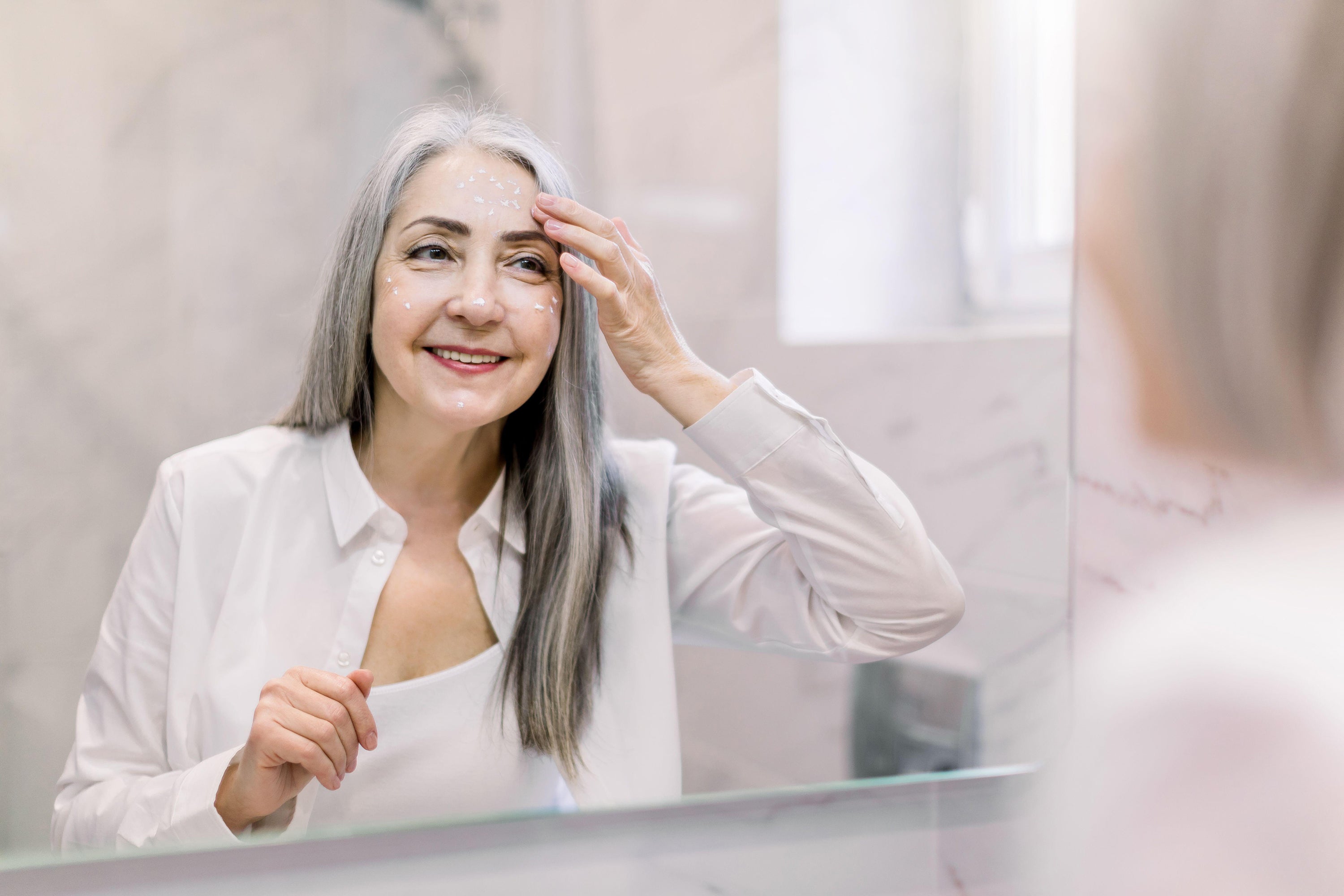
Grey hair is often framed as a purely cosmetic milestone — a visible sign of ageing that we learn to cover, embrace, or negotiate depending on our mood (and our diary). But emerging research, highlighted by The Independent, suggests there may be a more surprising biological story behind the first silver strands. In simple terms: some grey hairs may reflect a protective “decision” inside the body, where certain cells step back from activity rather than continue dividing in ways that could raise the risk of becoming malignant.
This is not a reason to panic if you’re greying, nor a promise of protection if you are not. Instead, it’s an intriguing example of how hair can act as a window into wider biological processes — and why hair science is increasingly relevant in conversations about healthy ageing. For readers, the practical takeaway is straightforward: understand what greying can (and can’t) tell you, then focus on evidence-aware haircare that supports hair and scalp comfort as your texture and colour shift over time.
What the research is actually saying (without the hype)
The core idea reported is that a grey hair can be viewed as a small-scale example of a safety mechanism: a cell choosing to “bow out” (scientists often describe this as a form of cellular senescence). Senescence is a state where cells stop dividing. This can be beneficial, because uncontrolled cell division is a hallmark associated with cancers. In that sense, cellular senescence is frequently discussed in ageing research as one of the body’s ways of reducing risk when a cell is under stress or has accumulated damage.
How does that connect to hair? Hair colour depends on pigment (melanin) produced by specialist cells in the hair follicle. When pigment production slows or stops — often through changes in those pigment-producing cells and their supporting stem-cell environment — hair grows in with less colour, appearing grey, silver, or white.
Many headlines can make this sound like a simple cause-and-effect relationship (grey hair equals cancer protection), but it’s more nuanced. What the research points to is a shared biological theme: the same kinds of safety mechanisms that can contribute to ageing changes (including greying) are also tied into the body’s efforts to prevent damaged cells from becoming dangerous. That is a fascinating insight into biology, but it isn’t a diagnostic tool.
Grey hair 101: why pigment fades in the follicle
In salon terms, greying rarely shows up as a neat, uniform change. One client may notice a bright “halo” at the hairline; another sees silvery strands through the crown; others find a peppering through mid-lengths first. That patchy pattern is consistent with what stylists know: each follicle operates on its own cycle, and pigment activity can decline at different speeds across the scalp.
Several factors are commonly associated with the onset and pace of greying, including genetics and time. Some studies also explore links with oxidative stress and inflammatory pathways, but it’s important to treat these as evolving areas of research rather than definitive day-to-day explanations you can “hack” with a single supplement or trend.
From a haircare perspective, the bigger point is this: as pigment changes, hair can behave differently. Many people find greys feel coarser, drier, or more wiry; others notice a texture shift toward frizz or increased susceptibility to yellowing from UV exposure, heat styling, or mineral-heavy water. The most useful response is adjusting routine and technique — not chasing miracle cures.
- If greys feel coarse: prioritise conditioning and gentle detangling to reduce snapping at the ends.
- If greys look dull: protect shine with careful heat control and a consistent hydration routine.
- If greys pull yellow: consider periodic toning approaches (many colourists suggest purple/blue toning used sparingly) and UV protection habits.
What this does (and doesn’t) mean for your health
It’s tempting to read a “grey hair and cancer” headline and wonder whether your mirror is offering a health forecast. It isn’t. Hair changes can reflect ageing biology, stress physiology, and genetics, but they are not a substitute for medical screening or professional advice.
What the research does add is perspective: hair follicles are biologically active mini-organs, and the way they age can echo broader cellular processes. That’s part of why hair science is so captivating — and why reputable reporting stresses context.
If you are worried about sudden or unusual hair change (including rapid shedding, patchy loss, or significant scalp discomfort), many dermatologists advise seeking professional assessment rather than self-diagnosing via social media. Likewise, for concerns about cancer risk, the correct route is always your GP and established screening guidance — not hair colour.
Real-world practicality: if the headline has made you anxious, take five minutes to separate curiosity from concern. Curiosity can be answered by reading the science coverage in full; concern should be directed to a healthcare professional, especially if you’ve noticed other symptoms unrelated to hair.
How to care for greying hair: stylist-approved, realistic adjustments
Whether you embrace grey, blend it, or cover it entirely, your hair routine can evolve in ways that are genuinely noticeable week to week. In UK salons, colourists often talk about “grey strategy” rather than a single solution — because the right choice depends on your percentage of grey, natural base colour, porosity, and tolerance for maintenance.
To keep things actionable (and non-overwhelming), here are practical, low-regret changes many professionals recommend as greys appear:
- Switch to gentler cleansing: if your hair feels drier, reduce harshness by using a mild shampoo and avoiding over-washing.
- Prioritise conditioning technique: apply conditioner from mid-lengths to ends, then detangle with a wide-tooth comb while the hair is slick to minimise breakage.
- Use heat with intention: keep tools at the lowest effective temperature; grey hair can show heat damage and frizz more readily.
- Try toning slowly: if brassiness appears, introduce a toning product occasionally rather than daily to avoid over-depositing pigment.
- Ask for a grey-friendly haircut: a shape that removes wispy ends and adds movement can make mixed tones look deliberate, not “in-between”.
If you colour your hair, it’s also worth knowing that grey coverage is a technical challenge: resistant greys may need adjusted developer strength, processing time, or pre-softening techniques — decisions best made by a qualified colourist who can see your hair in person. If you prefer to go natural, your stylist can plan a transition using glosses, lowlights, or blending methods that grow out soft rather than obvious.
Key Takeaways
- New reporting links greying to a broader protective process: some cells may stop dividing to reduce the chance of becoming malignant.
- This is a biology insight, not a health test — grey hair cannot diagnose or predict cancer.
- Greys often come with texture changes (dryness, coarseness, frizz), so routine tweaks can make a visible difference.
- If you notice sudden, concerning hair or scalp changes, consult a qualified professional rather than relying on headlines.
- Next step: book a quick consultation with a trusted stylist to discuss a “grey strategy” (embrace, blend, or cover) based on your lifestyle.
Frequently Asked Questions
Does having grey hair mean I’m less likely to get cancer?
No. The research discussed suggests a mechanistic overlap (cells stopping division can be protective), but hair colour itself isn’t a measure of cancer risk.
Can stress turn hair grey overnight?
Hair pigment changes happen through the follicle over time. People often notice greys suddenly, but that’s usually because enough strands have changed to become visible. Research on stress and greying is ongoing and complex.
Why do my grey hairs feel wiry and stick out?
Many people experience a texture shift as pigment changes. Greys can feel coarser or drier, which makes them more likely to stand up or frizz. Extra conditioning and careful heat styling can help.
How can I stop grey hair from going yellow?
Yellowing can be influenced by UV exposure, heat, and environmental build-up. Consider UV protection habits (hats in strong sun), minimise high heat, and use toning products occasionally rather than excessively.
Is it better to cover greys or blend them?
Neither is “better” universally. Covering can be higher maintenance; blending can create softer regrowth lines and a more natural transition. A colour consultation is the quickest way to find what suits your hair and schedule.
Explore More: Discover related reads from Hairporium — News • Guides • DIYs • Expert Articles.
More From the Experts: Read interviews and insights from stylists and professionals on Hairporium Expert Articles.


More in Expert insights
Hair-focused chants in sport can move from banter to public shaming. Here’s what a recent darts s...
A new angle on greying links hair pigment loss to the body’s protective cellular responses. We un...
View all expert insights