
Recent Post

Sydney Sweeney’s Short Hair: Why Celebs Cut Then Add Extensions
2,200 Young People with Hair Loss Supported in 2025

What’s New With the Dyson Airwrap (and How to Use It Well)

Overgrown Haircut Makeover: How a Trim Can Take Years Off

Hailey Bieber’s Relaxed Bob: The 2026 Lob Trend Explained

How to Stop Hair Smells When Cooking: Festive Kitchen Fixes
Leave a comment
Hailey Bieber’s Relaxed Bob: The 2026 Lob Trend Explained
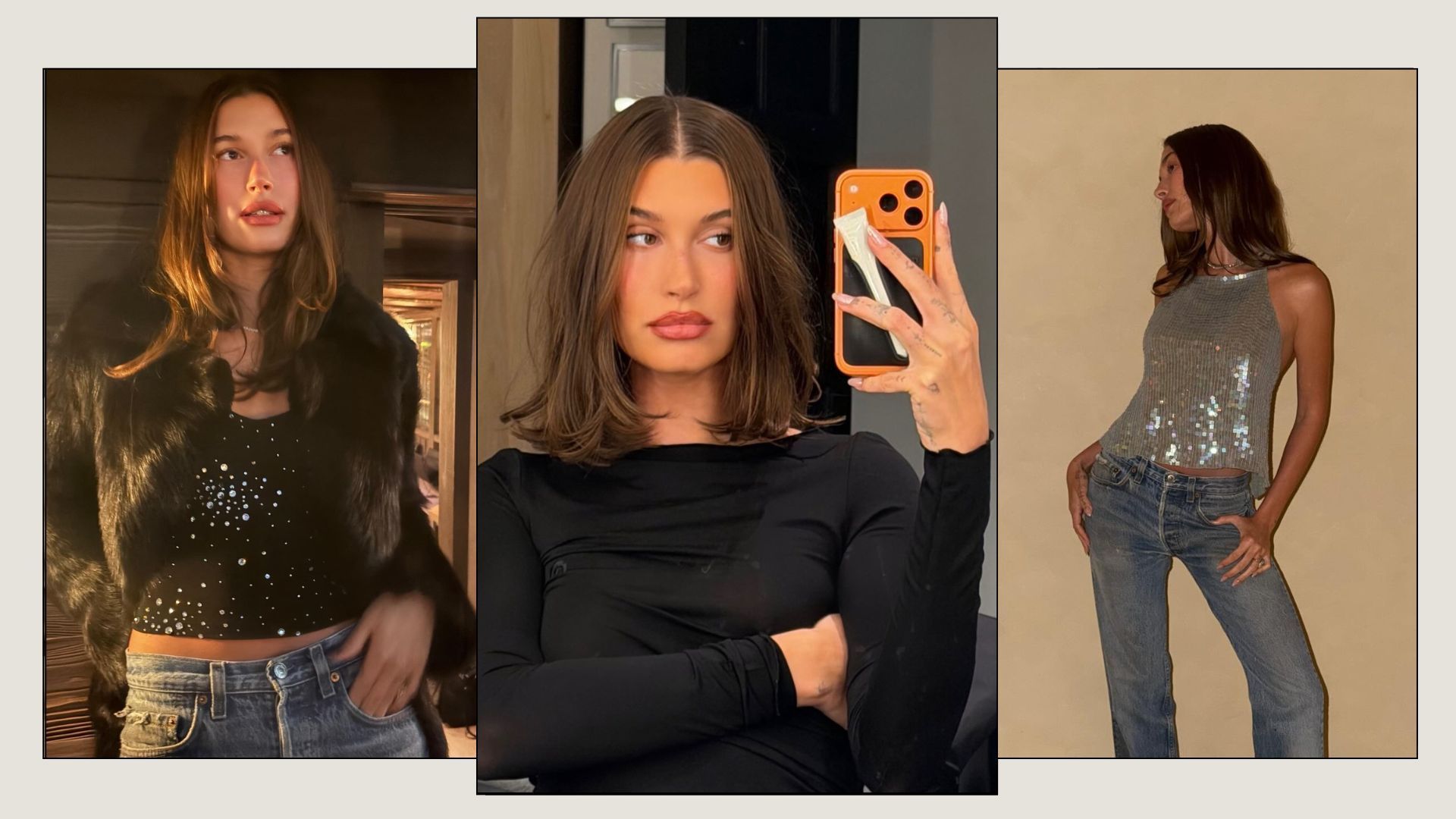
Hailey Bieber has a habit of making even the simplest hair tweaks feel like a full-blown style movement — and her latest cut is no exception. In fresh images shared across fashion and beauty media this week, she’s debuted a “relaxed bob” (often called a lob when it grazes the collarbone): softly shaped, lightly textured, and deliberately un-fussy. If you’ve spent the last few seasons seeing sharp, glassy bobs and hyper-polished blowouts everywhere, this shift feels significant. The relaxed bob is less about perfection and more about believable, wearable hair — the kind that looks great in real life, not just under studio lights.
For UK readers planning their next salon appointment, the appeal is obvious: a lob sits in that sweet spot between a proper change and low-commitment maintainability. It’s long enough to tie back on busy days, but short enough to look intentional with minimal styling. And because it’s built around soft movement rather than a crisp outline, it tends to grow out more gracefully than blunt cuts — a practical win in a world where not everyone can (or wants to) book trims every six weeks.
What exactly is the “relaxed bob” (and how is it different from a standard lob)?
In classic salon language, “lob” simply means a longer bob, typically landing somewhere between the jaw and collarbone. The “relaxed bob” is more of a finish and cutting philosophy than a strict length rule: it prioritises softness at the perimeter, light internal texture, and an overall silhouette that moves. Think less ruler-straight and more airy — still chic, but not severe.
Key traits stylists often use to create that relaxed effect include:
- Soft perimeter: rather than a heavy, blunt baseline, the ends are subtly point-cut or textured to avoid a blocky feel.
- Quiet layers: minimal layering placed for movement, not volume overload — particularly around the face and crown.
- Natural parting compatibility: cut to work with how hair wants to sit, so it doesn’t require daily “fighting” with hot tools.
- Non-perfect styling cues: a finish that looks better with a touch of bend, air-drying, or a lightly lived-in blow-dry.
In other words: the relaxed bob still reads as expensive and intentional, but it doesn’t demand that you style it like you’re heading to a red carpet. Many UK hairdressers have been moving in this direction anyway, as clients increasingly ask for hair that’s realistic for hybrid schedules, commuting, gym sessions, and last-minute plans.
Why this cut is being tipped for 2026 (and why it suits UK life so well)
Trend cycles often swing between extremes. After years of “clean” aesthetics — sleek centre parts, ultra-glossy finishes, and sharply defined shapes — it makes sense that hair is leaning into softness again. The relaxed bob dovetails with broader beauty signals: more texture, more individuality, and a return to hair that looks like it’s been lived in.
From a UK perspective, there’s also a very practical reason this look resonates: our weather. A cut designed to look good with a bit of natural movement stands up better to humidity, drizzle, and wind than a style that relies on perfection. If your hair is going to meet a rain cloud between the Tube and the office, you may as well choose a cut that doesn’t unravel at the first sign of mist.
Another reason it’s poised to dominate: it’s adaptable across hair types. A relaxed lob can be tailored for straighter hair that needs shape, wavy hair that needs control without losing texture, and even curl patterns that sit comfortably at bob length when cut thoughtfully. (The technique matters here — curls, coils, and tighter textures typically benefit from curl-by-curl or dry-cutting methods, and a stylist who’s experienced with shrinkage and curl behaviour.)
How to ask for it in the salon: the Hairporium “brief” you can actually use
When you bring a celebrity reference photo to your stylist, the most useful thing you can do is describe what you like about it — not just the person wearing it. Hailey Bieber’s version is being framed as “relaxed” because it’s soft at the ends, subtly dimensional, and not overly sculpted. Translating that into salon language helps you (and your stylist) land on the right version for your density, texture, and lifestyle.
Here’s a practical, stylist-friendly brief you can take to your next appointment:
- Length: “A lob that sits around my collarbone (or just above), long enough to tuck behind my ears and tie back.”
- Shape: “Soft and slightly rounded, not blunt or boxy.”
- Ends: “Lightly textured ends so it moves — not razor-thin, not heavy.”
- Layers: “Minimal, invisible layers for movement; no big ‘step’ layers.”
- Face-framing: “Subtle face-framing pieces that blend, not a chunky front section.”
- Styling goal: “I want it to look good air-dried or with a quick bend — not reliant on daily hot styling.”
Real-world next step: before your appointment, notice how your hair dries naturally (where it flicks, where it expands, where it lies flat). Tell your stylist those details — it’s often the difference between a lob you love on day one and a lob that behaves for months.
If you’re unsure, ask your stylist to cut it so it can be worn two ways: smooth and sleek when you want polish, and naturally textured when you want ease. That flexibility is exactly what makes the relaxed bob such a strong contender for 2026.
Styling the relaxed bob: low-effort techniques that keep it modern
The fastest way to make a relaxed bob look current is to avoid over-styling it. This cut thrives on soft movement. Many stylists recommend starting with a lightweight heat protectant (especially if you use hot tools more than occasionally) and keeping the finishing products minimal so the ends stay airy.
Three easy approaches, depending on your hair type and schedule:
- Air-dry with intention: apply a small amount of styling cream or mousse through mid-lengths and ends, then twist or clip the front sections away from the face as it dries for a gentle bend.
- The “lazy bend”: use straighteners or a wand to add a single soft wave through a few key sections (not every piece), then brush through for that undone look.
- Blow-dry for softness, not stiffness: rough-dry to 80–90%, then use a medium round brush just on the top layer and fringe/face frame.
If your hair tends to frizz in damp conditions, aim for hydration and light hold rather than heavy oils. A relaxed bob can look beautifully modern with a slightly textured finish — but it can quickly turn puffy if the cut isn’t supported by moisture and a controlled drying routine.
Worth noting: if you wear hair extensions, a lob is still possible, but it often needs careful planning so the perimeter looks natural and not “thick-thin” at the ends. A good extension specialist can advise on placement and density so the shape stays soft.
Key Takeaways
- The “relaxed bob” is a softer, more lived-in take on the lob — minimal layers, subtle texture, and movement over sharp lines.
- It’s being tipped as a 2026 hero cut because it’s wearable, adaptable across textures, and suits a more natural styling mood.
- In the UK, its softer finish is practical for real weather and real schedules — it doesn’t collapse the moment humidity hits.
- Ask your stylist for a collarbone-skimming lob with a soft perimeter and light internal texture, designed to work with your natural parting.
- For everyday styling, keep it simple: air-dry with intention, add a few “lazy bends”, and avoid heavy finishing products that weigh the ends down.
Frequently Asked Questions
Is a relaxed bob the same as a lob?
Not exactly. “Lob” describes the length (a longer bob), while “relaxed” describes the finish and shape — softer ends, subtle movement, and a less blunt outline.
Will a relaxed bob suit fine hair?
Often, yes. Fine hair can benefit from a clean but soft perimeter that makes the shape look fuller. The key is avoiding over-layering, which can make ends look wispy.
How often will I need trims with a lob?
Many people book every 8–12 weeks, but it depends on how fast your hair grows and how precise you like the shape. Because the relaxed bob isn’t razor-sharp, it can look good for longer between appointments.
Can I still tie my hair up with a collarbone lob?
Usually, yes — especially if it sits at or just below the collarbone. If tying back is non-negotiable, tell your stylist so they keep enough length around the front.
What if my hair is naturally wavy or curly?
A relaxed bob can look fantastic with natural texture. Ask for a shape that supports your wave/curl pattern and discuss shrinkage. Many curl specialists prefer cutting with the hair dry or in its natural state for accuracy.
Does this cut work with a fringe?
It can. A soft curtain fringe or a longer, blended fringe often complements the relaxed feel. The main consideration is whether you’re willing to style the fringe regularly.
Explore More: Discover related reads from Hairporium — News • Guides • DIYs • Expert Articles.
Stay Updated: Read more UK hair industry news and innovations on Hairporium News.


