How to Choose a Professional-Standard Hair Dryer for Salon-Quality Results at Home

How to Choose a Professional-Standard Hair Dryer for Salon-Quality Results at Home

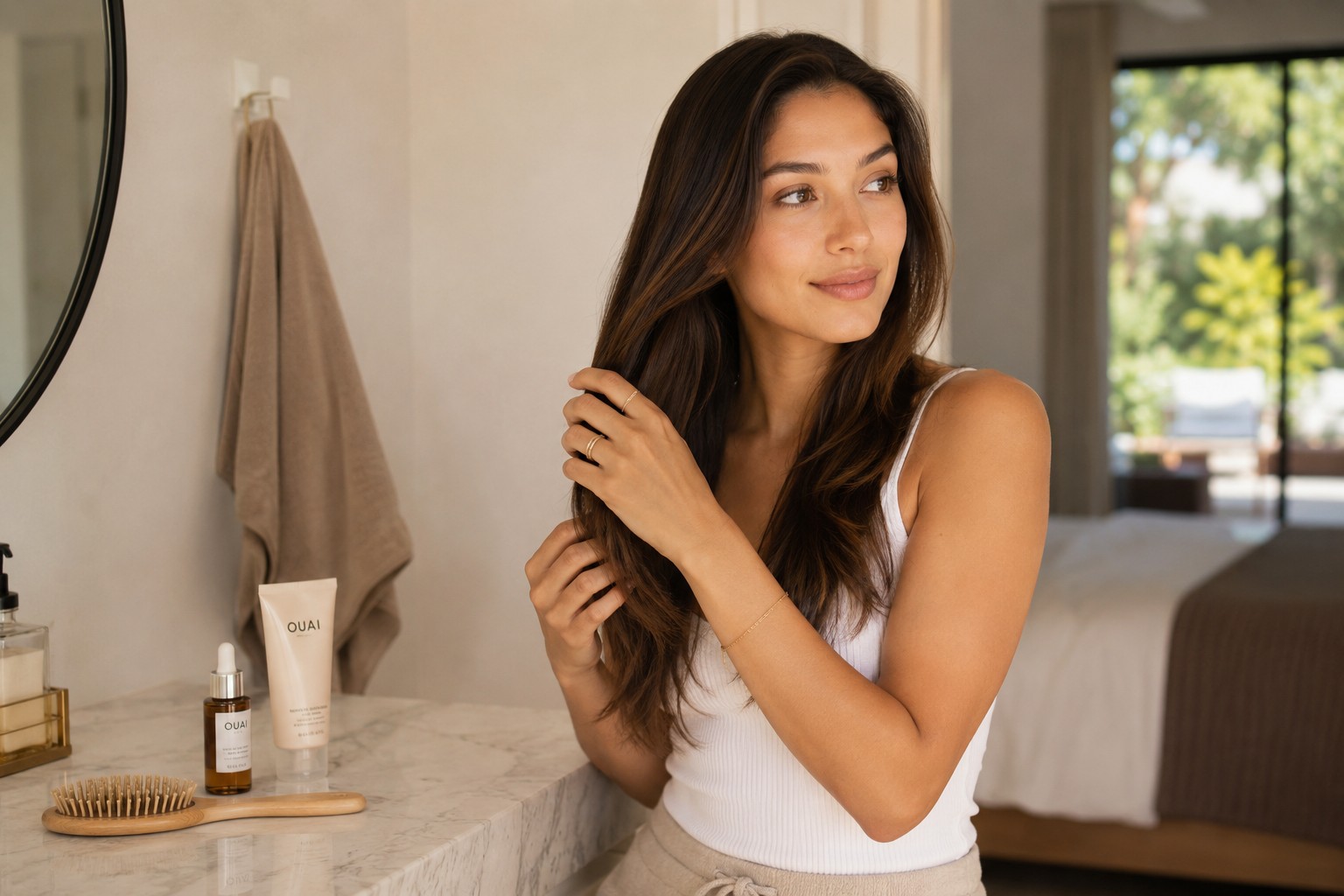
Generate image for a blog post of a beautiful lady using a hair dryer

Investing in a good hairdryer can completely change how your hair looks and feels, especially if you’re styling regularly at home. While the original article highlights the ghd Air as a stylist favourite, the bigger story is what actually makes a professional-standard dryer so effective – and how you can choose one that suits your hair, routine, and budget without getting lost in marketing claims.

What Makes a Professional Hair Dryer Different?

On the surface, most hairdryers look fairly similar, but professional tools are built with performance, consistency, and hair health in mind. UK stylists often point to three main differences: power, airflow control, and heat management.

  • Higher wattage with balanced airflow: Many pro dryers sit between 1,800–2,200W, giving strong, steady airflow that dries hair faster while allowing better styling control than many budget models.
  • More refined heat settings: Salon-standard dryers typically offer multiple heat and speed levels, plus a cool-shot button to set styles and reduce heat exposure.
  • Better internal technology: Features like ionic conditioning and ceramic or tourmaline components are designed to help reduce frizz and promote a smoother finish when used correctly.

In a professional setting, the goal isn’t just speed; it’s controlled, even drying that supports the cuticle rather than blasting it. At home, choosing a dryer with similar credentials can help you recreate that polished, salon-style finish with less effort and less risk of over-drying your hair.

Generate image for a blog post of a beautiful lady using a hair dryer

Key Features to Look For in a Hair Dryer

Rather than focusing on brand names alone, it’s more helpful to understand which specifications actually matter. This is what many experienced stylists in the UK consider when recommending a hairdryer to clients or friends.

  • Wattage: For most hair types, a dryer between 1,800–2,200W offers a good balance of power and control. Very high wattage can be helpful for thick or very long hair, but only when paired with adjustable heat and speed.
  • Heat and speed controls: Look for at least two heat settings and two speed settings, plus a cool shot. This allows you to tailor drying to your hair type: lower heat for fine or fragile hair, higher for thicker textures, always finishing with cool air to help set the cuticle.
  • Weight and ergonomics: Stylists often favour dryers that are well-balanced in the hand. At home, this means less arm fatigue, especially if you’re working on longer hair or doing detailed styling like blow-drying with a round brush.
  • Attachments: A concentrator nozzle is essential for smooth, controlled blow-dries, directing the airflow down the hair shaft. A diffuser is useful for curls and waves, helping to maintain definition and reduce frizz.
  • Cord length: A longer cord (often around 2.5–3m) offers more flexibility, particularly if plug sockets in your home are not ideally placed near a mirror.
  • Noise level: Quiet operation isn’t just a luxury. For people who dry their hair early in the morning or in shared homes, a less noisy dryer can make your routine far more practical.

When you next replace your dryer, take a moment to check the specifications on the box or product page against these points. It’s a simple, one-time step that can significantly improve your daily styling experience.

Heat, Hair Health, and Everyday Styling

Even the best dryer can cause dryness or breakage if used incorrectly. Many stylists and dermatologists stress that it’s how you use heat, rather than heat alone, that matters most.

To support hair health while blow-drying, consider the following practical guidelines:

  • Towel-dry gently first: Use a soft towel or old T-shirt to squeeze out excess water. Avoid vigorous rubbing, which can roughen the cuticle and create frizz.
  • Keep the dryer moving: Avoid holding the nozzle in one place on your hair or scalp. Continuous movement shares the heat more evenly.
  • Maintain a safe distance: Aim to keep the nozzle about a hand’s width away from your hair. Moving too close can overheat both strands and scalp.
  • Start on a medium setting: Many stylists recommend beginning with medium heat and speed, then adjusting if needed, rather than jumping straight to the hottest setting.
  • Finish with cool air: A cool-shot button can help smooth the cuticle and set your style, giving a shinier, longer-lasting finish with minimal extra time.

If your hair often feels rough, looks matte rather than shiny, or you notice increased breakage, it may be worth revisiting your heat settings and technique, not just your shampoo or conditioner.

Matching Your Dryer to Your Hair Type

Not all hair types need the same level of heat or power. Choosing settings and tools that respect your texture will almost always give you better results, whether your hair is fine, thick, curly, or coily.

  • Fine or fragile hair: Opt for moderate wattage and always use lower heat settings. A concentrator nozzle plus a vented brush can create volume at the roots without over-drying the lengths. Try to keep drying time efficient rather than prolonged.
  • Medium to thick straight or wavy hair: A more powerful dryer (around 2,000W) with good airflow is useful. Use higher speed with medium heat to remove most moisture, then switch to a lower speed with a round brush for smoothing and shaping.
  • Curly and coily hair: A diffuser attachment can make a significant difference, helping to preserve curl pattern and reduce frizz. Many curl specialists suggest drying at low heat and low speed, and working in sections without over-touching the curls as they dry.
  • Chemically treated or colour-processed hair: This hair is often more vulnerable to heat. Keep the dryer on a lower heat setting and avoid drying until the hair is completely bone-dry. Leaving a small amount of moisture and finishing with cool air can feel kinder to the strands.

In practical terms, this means you don’t need to use the highest setting just because your dryer offers it. Instead, treat the controls as a toolkit you adjust according to your hair type and how it feels on the day.

Creating a Salon-Style Blow-Dry at Home

A professional-standard dryer really comes into its own when you pair it with salon-inspired techniques. You don’t need to be a stylist to get a smoother, shinier result – a few small adjustments can make a big difference.

  • Section your hair: Split your hair into manageable sections using clips – usually top, sides, and back. This gives you better access and more consistent results.
  • Direct airflow from root to tip: Always point the nozzle down the hair shaft, not upwards. This helps lay the cuticle flat for a smoother finish and natural shine.
  • Work with the right brush: A round ceramic or mixed-bristle brush can create bounce and smoothness. For very thick hair, larger brushes help speed things up.
  • Dry roots first: Focusing on the roots gives you better lift and helps set the overall shape of your style. Once the roots are mostly dry, move to the mid-lengths and ends.
  • Set each section: When a section is dry and smooth, blast it with cool air for a few seconds before releasing it from the brush. This helps your style last longer, especially in damp UK weather.

The next time you wash your hair, try just two of these tweaks – such as using clips for sectioning and finishing each section with a cool shot. Often, a small shift in method is enough to see an immediate improvement.

Key Takeaways

  • Professional-standard hairdryers stand out for their power, airflow control, and more precise heat management, all of which help you achieve smoother, salon-style results at home.
  • Look for practical features such as multiple heat and speed settings, a cool shot, ergonomic design, and essential attachments like a concentrator nozzle or diffuser.
  • How you use your dryer matters as much as the model itself: keeping it moving, maintaining a safe distance, and finishing with cool air all support better hair health.
  • Match your heat and speed settings to your hair type – finer, fragile, or colour-treated hair usually benefits from gentler settings and shorter drying times.
  • Simple salon-inspired techniques such as sectioning, directing airflow down the hair, and setting each section with cool air can noticeably elevate your at-home blow-dry.

Frequently Asked Questions

Do I really need a professional-standard hair dryer for everyday use?
Not everyone needs a top-tier stylist’s dryer, but many people do notice a real difference when they upgrade from a very basic model. If you style frequently, have thick or long hair, or want a smoother, faster blow-dry, a more advanced dryer can be a practical investment in both time and finish.

What wattage is best for my hair type?
For most people, 1,800–2,000W is more than adequate. Finer hair may be better served by the lower end of that range, used on moderate heat. Thicker or very dense hair can benefit from 2,000W and above, provided you still use appropriate heat settings and good technique.

Are ionic hair dryers better for reducing frizz?
Many ionic dryers are designed to help reduce static and enhance smoothness by emitting ions that interact with water molecules on the hair. While results can vary between individuals, a lot of stylists find these dryers helpful for taming frizz, particularly on naturally wavy or curly hair, when combined with suitable products and technique.

How often is it safe to blow-dry my hair?
There isn’t a single rule that suits everyone. Many professionals suggest that if you’re using moderate heat, a heat protectant product, and good technique, drying a few times a week can be manageable for many hair types. If your hair or scalp feels dry or irritated, consider reducing frequency, lowering the heat, or allowing hair to air-dry partway before using the dryer.

Should I always use the hottest setting for thick hair?
Not necessarily. While thicker hair can handle a bit more heat and may dry faster on higher settings, it’s safer to start with medium heat and high airflow. You can then increase heat slightly if needed, but keeping control and avoiding excessive exposure is usually better for long-term hair condition.

What’s the most important feature if I’m on a budget?
If you’re prioritising, focus on adjustable heat and speed settings plus a concentrator nozzle. These elements allow you to manage airflow and tailor the dryer to your hair, which often matters more than extra features when funds are limited.

How do I know when it’s time to replace my hair dryer?
If your dryer is overheating, smelling unusual, making new noises, or the airflow has significantly weakened, it may be time to replace it for both safety and performance reasons. Many people also choose to upgrade after several years to benefit from newer technology, improved ergonomics, and better results.

Recommended Essentials

Explore More: Discover related reads from Hairporium — News Guides DIYs Expert Articles.

Learn More: Explore detailed haircare routines and styling tips at Hairporium Guides.

Originally Published By: Bedford Today


Back to blog