

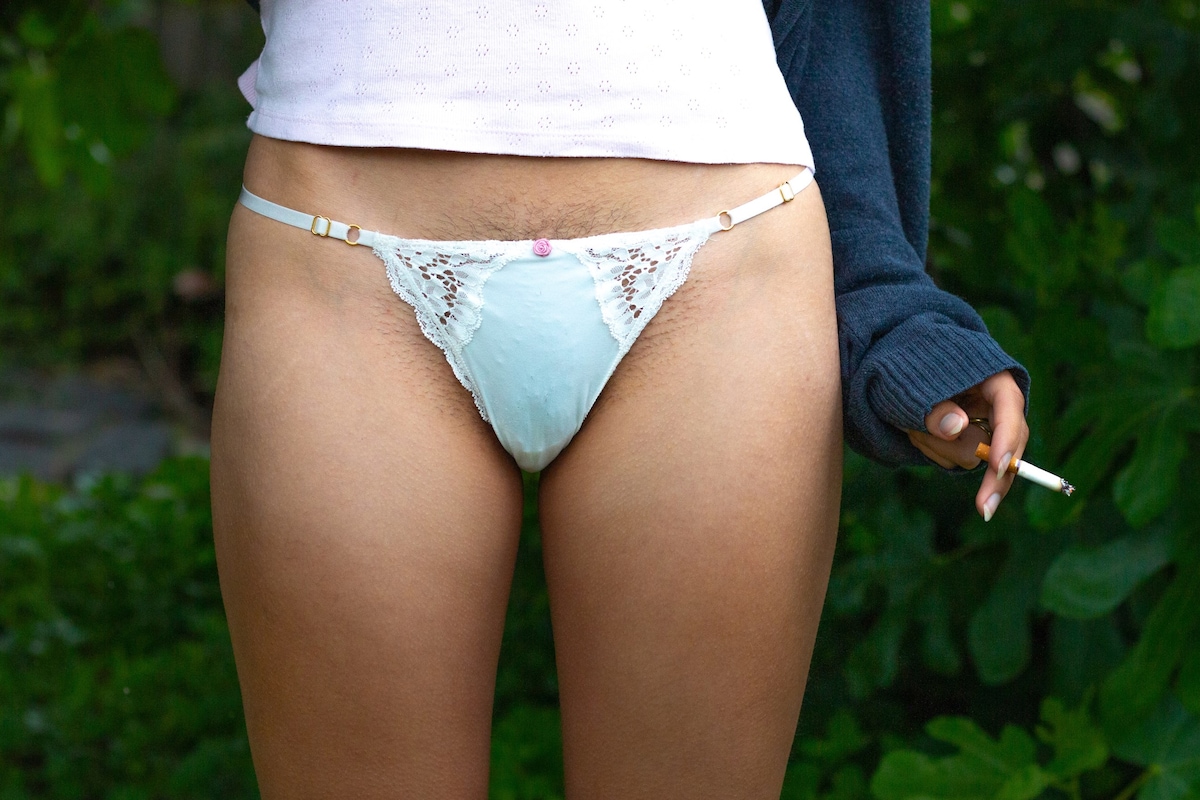
Pop culture loves a neat headline: “the bush is back”. But when you move beyond runway moments and celebrity soundbites, the way people actually feel about pubic hair is far less trend-led — and often shaped by privacy, practicality, partners, peer pressure, and the long tail of beauty messaging we absorbed as teens. A recent Dazed Beauty piece asks a more useful question than whether pubes are “in” or “out”: is the cultural shift translating into real individual choice?
Using first-person reflections from six Australian women as a starting point, the article captures something many UK readers will recognise too: most of us don’t hold one fixed belief about body hair across our lives. Instead, our grooming decisions evolve with age, confidence, relationships, and changing ideas about what feels comfortable in our own skin. This matters because hair — whether on the head, brows, legs or pubic area — is rarely just hair. It can be shorthand for identity, autonomy, and what we feel we’re “allowed” to do with our bodies.
From “beauty rule” to personal rule: what really shapes pubic hair choices
The Dazed summary points to a key tension: public messaging suggests a return to natural hair, yet individuals may still feel pulled towards removal. That’s not hypocrisy — it’s reality. Pubic hair has been one of the most heavily policed areas of beauty culture over the past few decades, with the modern expectation of near-total removal popularised through porn aesthetics, celebrity confessionals, and (later) the salon boom in professional waxing and laser hair reduction.
In the UK, waxing has long been framed as a “maintenance” appointment, almost like nails or brows — but many people only realise later that maintenance is a choice, not a requirement. The women in Dazed reflect this shifting relationship: what felt compulsory at 19 can feel optional at 29; what felt freeing in one relationship can feel performative in another. And importantly, what feels “sexy” can change when you stop asking what’s expected and start asking what feels best.
Because pubic hair is linked to intimate comfort and self-image, there isn’t a single correct grooming standard. Many professional beauty therapists and stylists will tell you the same: the best decision is the one that’s informed, consensual, and kind to your skin.
The ‘bush is back’ narrative: trend, backlash, or genuine choice?
When a trend cycles — thin brows to fluffy brows, poker-straight hair to lived-in texture — it’s easy to assume it works the same way for pubic hair. Yet intimate grooming isn’t usually a public-facing style change. It’s often private, and therefore driven less by fashion and more by personal comfort, body confidence, and sometimes anxiety.
What the Dazed framing does well is treat the “bush is back” idea as a prompt, not a directive. The women’s quotes (as described in the RSS summary) signal a broader cultural move: away from one narrow aesthetic, towards a spectrum of normal. In practice, that spectrum might look like fully grown, neatly trimmed, a shaped bikini line, or complete removal — and it may change with seasons, holidays, sports, or whatever underwear you feel like wearing.
It’s also worth recognising the role of backlash. When a beauty norm becomes too rigid, there’s often a counter-movement that celebrates the opposite. That can be liberating — but it can also become another rule in disguise (“natural is better”). Genuine autonomy leaves room for all of it.
Comfort, skin, and salon realities: what many people wish they’d known earlier
Even when we avoid medical claims, it’s fair to say that the method you choose can affect how your skin behaves — particularly in a delicate area. Experienced waxers, laser practitioners and dermatologists often emphasise basics like hygiene, patch testing where relevant, and not treating irritation as something you must simply “push through”. Discomfort is sometimes part of hair removal, but persistent soreness, bumps, or broken skin are signals to reconsider technique, timing, or professional support.
Here’s what professionals commonly recommend keeping in mind when choosing your approach:
- If you remove hair: consider the method (shaving, waxing, sugaring, laser) and be realistic about upkeep and how your skin responds.
- If you trim: use clean tools and a gentle hand; trimming can be a middle ground for comfort without full removal.
- If you grow it out: there’s no “deadline” for feeling comfortable — initial regrowth can feel unfamiliar, and that’s normal.
- If you switch styles often: plan around events; for example, don’t book hair removal immediately before holidays if you’re prone to irritation.
- If something feels wrong: don’t ignore it. Many clinicians advise seeking professional advice for recurrent inflammation or ingrown hairs.
Real-world practicality, right now: if you’re unsure what you prefer, try a two-week “no rules” experiment. Don’t decide based on what you think you should do — decide based on how your body feels day-to-day (in tights, jeans, gym wear, during your period, and in intimate situations). Make notes. Your future routine will be clearer and more personalised.
Body hair and self-image: what feels empowering looks different on everyone
One of the most useful takeaways from the Dazed angle is that changing your mind is not a failure — it’s growth. Many people move through phases: removal when they’re younger (and seeking approval), then experimenting with regrowth (and finding comfort), then landing on something flexible (and sustainable). Others do the reverse.
In UK beauty culture, we’re also seeing a bigger conversation about consent and self-definition in grooming: not just “what’s sexy”, but who gets to decide. That includes partners — but doesn’t centre them. If a partner has preferences, you can hear them without adopting them. Your comfort is not a compromise; it’s a baseline.
Hairporium readers often come to haircare as a form of real-life self-respect — whether that’s embracing your natural curl pattern, learning how to care for a protective style, or choosing a cut that suits your lifestyle. The same principle applies here: confidence tends to follow consistency with your own values, not compliance with someone else’s aesthetic.
Key Takeaways
- “The bush is back” is a cultural headline, not a personal instruction — your choices don’t need to match a trend.
- Pubic hair preferences commonly change with age, relationships, confidence, and comfort; it’s normal to evolve.
- There’s a wide spectrum between full removal and fully natural — trimming or shaping can be practical options.
- Skin comfort matters: irritation, bumps, or repeated ingrowns are signs to adjust your method or seek professional guidance.
- The most empowering routine is the one you can maintain and feel good about — privately, day-to-day, and long-term.
Frequently Asked Questions
Is pubic hair “back” in fashion?
Pop culture has signalled a shift towards more visible body hair, but intimate grooming is usually influenced more by personal comfort than runway trends. Many people choose a style that suits their lifestyle rather than what’s “in”.
Is it unhygienic to keep pubic hair?
No. Pubic hair is a natural part of the body. Good hygiene is about regular cleansing and breathable clothing choices; hair length alone doesn’t determine cleanliness.
What’s the most low-maintenance option?
For many, gentle trimming is the easiest to sustain: it reduces bulk and can feel tidier without the frequent upkeep and potential irritation that can come with complete removal.
Why does regrowth feel itchy?
Regrowth can feel prickly or unfamiliar, especially after shaving. Many practitioners suggest avoiding harsh friction, keeping the area clean, and letting hair soften as it grows.
How can I reduce the chance of irritation if I remove hair?
Many therapists recommend prepping with gentle exfoliation (not on broken skin), using clean tools, and avoiding tight clothing immediately after removal. If irritation persists, consider a different method or consult a professional.
How do I talk to a partner about my grooming choices?
Be direct and neutral: explain what feels comfortable and what you prefer. Preferences can be discussed, but your body and your comfort set the boundaries.
Explore More: Discover related reads from Hairporium — News • Guides • DIYs • Expert Articles.
More From the Experts: Read interviews and insights from stylists and professionals on Hairporium Expert Articles.


More in Expert insights
After James Nesbitt described his hair transplant as “hugely transformative”, we break down what ...
Stylists expect the bob to evolve rather than disappear in 2026, with blunt, micro, layered, text...
A ScienceAlert report suggests red-hair pigment may interact with certain toxins. We break down w...
Lizzo’s real hair moment has reignited discussion around natural texture, texturism and confidenc...
Neil Warnock’s “get his hair cut” quip may be football banter, but it spotlights modern men’s gro...
Oscar Piastri reveals an F1 rival still gets mum to cut his hair—an unexpectedly relatable detail...
View all expert insights