
Shampoo sounds simple—until your hair starts snapping at the ends, feeling rough through the mid-lengths, or fading faster than you’d like between salon visits. A recent IndyBest roundup of premium shampoos highlights a familiar truth: the “best” shampoo is rarely one-size-fits-all. Breakage, dryness and colour-treated hair are three of the most common concerns UK stylists hear in the chair, and the right cleanser is often the first (and most overlooked) step in turning things around.
While product roundups can be a helpful starting point, the most reliable way to get results is to match your shampoo to your hair’s current condition—then adjust your technique, frequency and wash routine to support it. Below, Hairporium breaks down what professionals typically look for when recommending shampoos for fragile, dehydrated or coloured hair, plus practical steps you can try at home immediately.
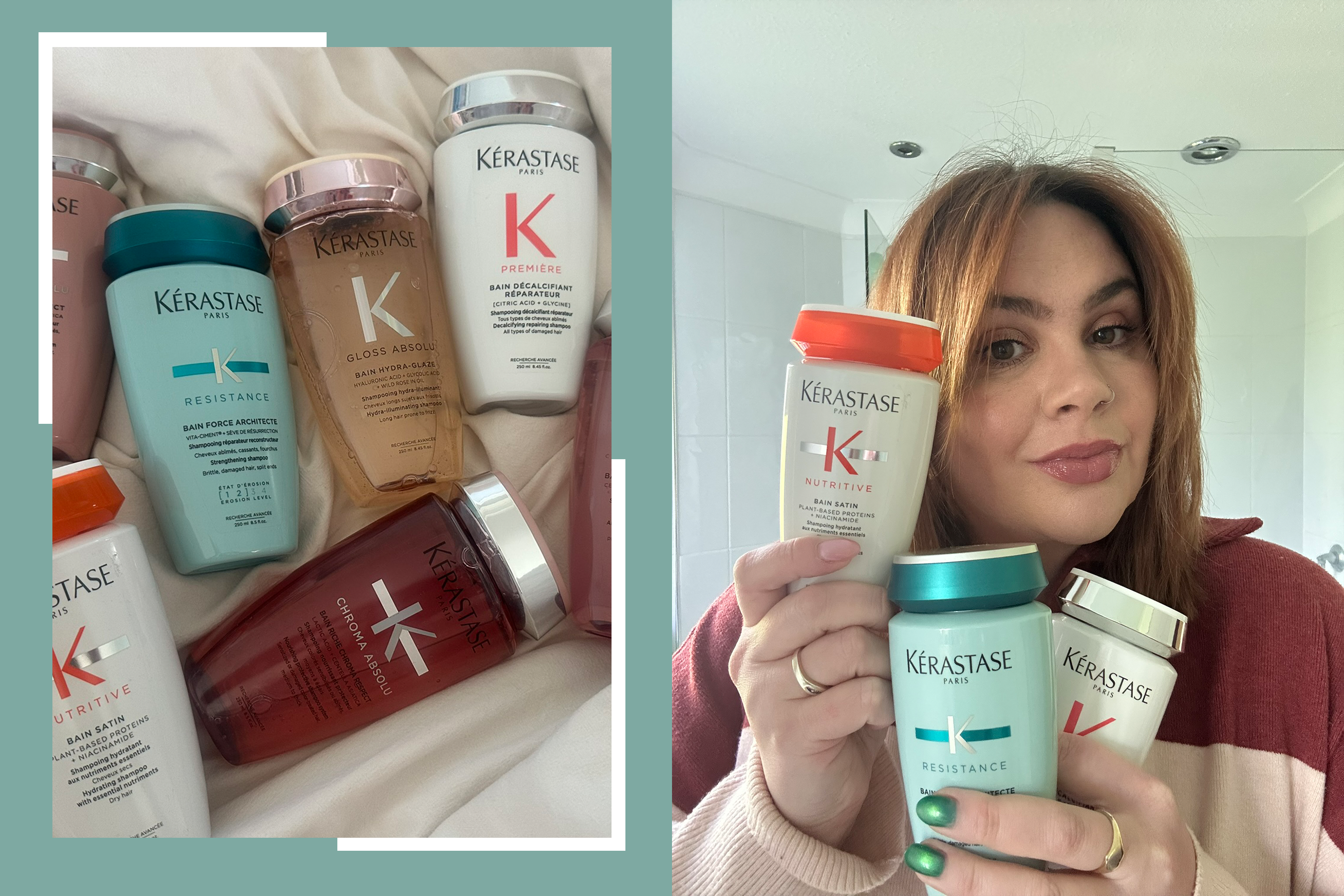
What “breakage” shampoos can—and can’t—do
Let’s be precise: shampoo can’t “repair” a split strand back to new. Hair is not living tissue, so once a fibre is cracked, it can only be temporarily reinforced or smoothed until you trim and grow out healthier lengths. That said, your shampoo choice makes a meaningful difference because cleansing is the most frequent chemical and mechanical interaction your hair experiences.
Many stylists suggest focusing on two things when hair is breaking:
- Gentle cleansing: If your shampoo leaves your hair squeaky or tangled, the friction you create while detangling damp hair can worsen snap-prone areas.
- Slip and manageability: A formula that helps hair lie flatter reduces knotting and makes combing less aggressive—especially around the nape and crown where breakage is common.
In real-world terms, the best “anti-breakage” shampoo is often the one that lets you wash and detangle without a fight. If your brush is meeting resistance every wash day, that’s a routine issue—regardless of what the label promises.
Dry hair: look beyond “moisture” and consider porosity
Dryness is often described as a lack of moisture, but in salons it’s frequently treated as a mix of dehydration (needing water-binding ingredients and humectants) and lipid loss (needing softness and barrier support so hair doesn’t feel rough). Your hair’s porosity—how easily it absorbs and loses water—also plays a role.
Signs your shampoo might be too harsh for dry hair:
- Hair feels tight or “fluffy” after rinsing, even before styling.
- You need a heavy mask every wash just to make it feel acceptable.
- Ends matt or knot quickly as you air-dry.
Many professional colourists and session stylists recommend pairing a hydrating shampoo with a conditioner that provides slip, then using a leave-in on mid-lengths and ends. Practically, this means keeping shampoo mostly on the scalp and letting the lather rinse through the lengths, rather than scrubbing the ends directly.
Coloured hair: cleansing choices that protect tone and shine
Colour-treated hair often needs two things at once: a gentle cleanser that won’t accelerate fading, and enough conditioning support to keep the cuticle smooth (because a smoother cuticle reflects more light, making colour look glossier).
It’s also worth separating two common salon scenarios:
- Freshly coloured hair (first 1–2 weeks): Many colourists suggest extra gentle cleansing, cooler rinses, and minimal clarifying to help keep tone stable.
- Build-up-prone coloured hair (weeks later): You may still need an occasional deeper cleanse to remove styling residue or hard-water minerals—otherwise hair can look dull even if the colour hasn’t “faded”.
In UK areas with hard water (common in London and the South East), dullness and roughness can be worsened by mineral deposit. If you suspect that’s you, consider rotating in a chelating/clarifying wash occasionally and following immediately with a rich conditioner or mask. If you’re unsure how often, ask your stylist based on your hair density and how much styling product you use.
A salon-smart shampoo routine you can start this week
If you want a more resilient feel and better colour longevity, technique matters as much as the bottle. Try this streamlined routine for the next 7–10 days and note what changes.
- Pre-detangle dry hair with a wide-tooth comb before washing to reduce snap during the wet stage.
- Double cleanse: first wash targets oil and build-up; second wash is where your shampoo can do its “treatment” work most evenly.
- Keep friction low—massage the scalp with fingertips, not nails, and avoid piling hair on top of the head.
- Condition with intent: apply conditioner mid-lengths to ends; detangle gently while it’s in; rinse thoroughly.
- Finish with a cooler rinse if your hair is coloured or feels rough—many stylists find it helps hair feel smoother and look shinier.
Most importantly: if your hair is actively snapping, book a trim. No shampoo can substitute for removing compromised ends—and you’ll often see faster improvements in manageability once the weakest length is gone.
Explore More: Discover related reads from Hairporium — News • Guides • DIYs • Expert Articles.
Key Takeaways
- For breakage, prioritise gentle cleansing and slip—less tangling means less snapping.
- Dryness is often a mix of dehydration and lipid loss; technique (not scrubbing ends) matters.
- Coloured hair benefits from milder cleansing, plus occasional deeper cleansing to tackle dull build-up.
- Hard water can make hair feel rough and look flat; rotating a clarifying/chelating wash can help.
- The fastest practical win: pre-detangle, double cleanse, condition properly, and get regular trims.
Frequently Asked Questions
How do I know if my shampoo is causing dryness or breakage?
Common signs include a squeaky feel after rinsing, increased tangling when wet, and ends that feel rough immediately after washing. If changing your detangling method and adding conditioner doesn’t help, trial a gentler cleanser for two weeks.
Should I wash less often if my hair is breaking?
Not necessarily. Many people do well with fewer washes, but scalp oil and build-up can also increase tangling and friction. A better approach is to wash as needed, using a gentle shampoo and low-friction technique.
Is it safe to use a clarifying shampoo on coloured hair?
It can be, but frequency matters. Many colourists recommend using a clarifying or chelating shampoo only occasionally, then following with a moisturising conditioner or mask to keep the hair feeling balanced.
Do “colour-safe” shampoos prevent fading completely?
No shampoo can fully prevent colour change over time, especially with heat styling, UV exposure and repeated washing. However, gentler cleansing and cooler rinses may help slow down fading and keep hair looking shinier.
What’s the simplest routine change that makes the biggest difference?
Pre-detangling before washing, keeping shampoo mainly on the scalp, and conditioning generously through the lengths are three high-impact steps most people can do immediately.
Learn More: Explore detailed haircare routines and styling tips at Hairporium Guides.


More in Hair guides
From carnelian orange to blanche blonde, 2026’s hair colour trends are all about dimension, shine...
From the pineapple method to silk bonnets, these curly hair habits can help you keep definition f...
Meghan Markle’s new ‘halo’ hair puts a fresh spin on the slicked-back look. Here’s what it means,...
From precision lines to soft layering and French fringes, these six bob directions are tipped to ...
Fragrance-forward dry shampoos promise more than oil control. Here’s how to use them like a pro, ...
A headline-grabbing football hair-pull incident raises a wider question: what does sudden tractio...
Dakota Johnson’s scalp-serum comment has renewed interest in “growth” products. We break down wha...
Winter doesn’t stop hair growing, but it can sabotage length retention. Here’s how cold weather, ...
Miley Cyrus’ messy curtain bangs prove the ‘undone’ fringe is all about the right cut and smart s...
View all hair guides