

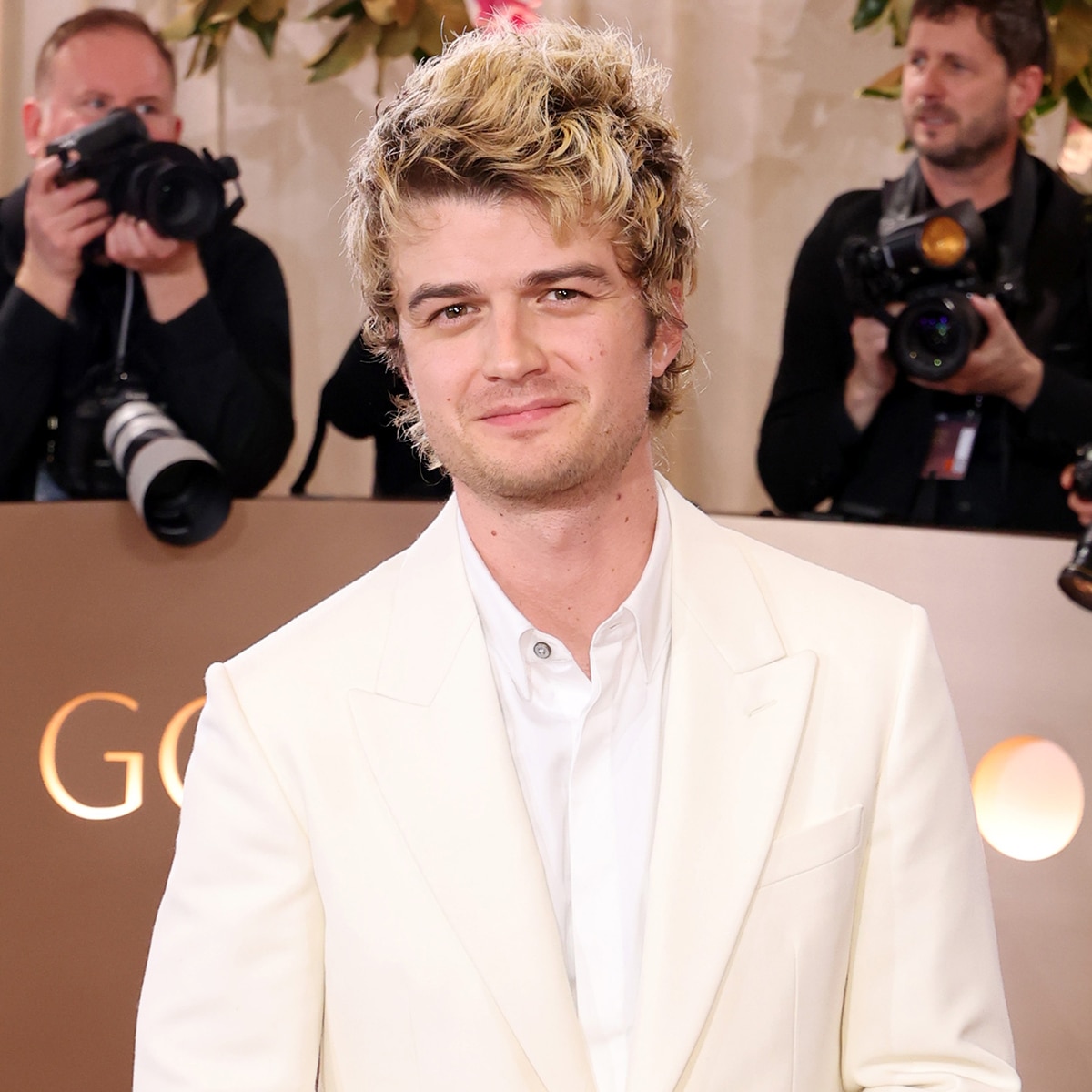
There are red-carpet moments that feel like a gentle nudge, and then there are transformations that reset the conversation. At the Golden Globes 2026 in Beverly Hills, Joe Keery (best known globally for Stranger Things) stepped out with a striking bleach blonde hair transformation—a high-impact shift that instantly changed the mood of his look and, unsurprisingly, sparked reaction online.
While celebrity colour changes can seem spontaneous, a convincing bleach blonde is almost always the result of deliberate technical choices: lifting strategy, toner selection, bond support and, crucially, aftercare. Below, we break down what Keery’s change signals in current men’s grooming, what it typically takes to go blonde safely (especially from darker bases), and how to approach the look in a way that’s realistic for UK life—commuting, rain, hard water and all.
Why bleach blonde still hits: the red-carpet effect
Bleach blonde remains one of the most instantly recognisable colour statements because it does two things at once: it amplifies facial features (brows, eyes, bone structure) and it reshapes style identity quickly. On a red carpet, that reads as fresh, modern and slightly rebellious—without requiring an overhaul of wardrobe.
In UK salon terms, Keery’s look also reflects a broader shift: men’s colour services are no longer treated as “special occasion” add-ons. Many barbershops now work in tandem with colourists, and more clients are comfortable maintaining a toner, a root shadow, or a bright blonde as part of their regular schedule. The key difference between “fashion blonde” and “boxy yellow blonde” is usually technique and maintenance, not bravery.
- Visibility: blonde reads clearly in photos and under event lighting.
- Edge with polish: it’s bold, but can still look refined with the right tone.
- Trend resilience: platinum and pale blondes return repeatedly across music, film and menswear cycles.
What it typically takes to go bleach blonde (without wrecking the hair)
Keery’s natural hair has often appeared dark blonde to light brown on screen, which can make a clean lift more achievable than starting from very dark brown or black. Even so, bleaching is chemical work. Many colourists will assess hair density, prior colour history, scalp sensitivity and lifestyle before committing to a pale result in one sitting.
From a professional best-practice viewpoint, these are the fundamentals most UK colourists consider:
- Base level and underlying warmth: darker hair lifts through warm stages (orange/yellow). Toner choice matters.
- Integrity first: if hair is compromised (from heat, previous lightening or chemical services), a slower plan is often safer.
- Scalp-friendly application: many colourists avoid aggressive processing on sensitised scalps and will adjust developer strength and timing accordingly.
- Finish with tone: “bleach blonde” on camera is rarely just bleach; it’s usually lifted then refined with a toner or gloss.
It’s also worth noting that hairline and root area can lift faster thanks to body heat. That’s one reason experienced colourists work in sections and may stagger application timing—especially when aiming for an even blonde across the head.
Keeping blonde looking expensive: toner, purple shampoo and realistic upkeep
The reason celebrity blondes look crisp beyond the initial appointment is maintenance rhythm. In real life, UK water hardness (particularly in London and the South East) can contribute to dullness or a slightly brassy tone over time. Styling habits matter too: frequent hot tools, high heat and poor UV protection can leave blonde looking dry or faded.
If you’re inspired by Keery’s colour, these are the practical habits that make the biggest difference:
- Book your next appointment immediately: most blondes need a toner refresh and tidy-up within 4–8 weeks, depending on growth and desired brightness.
- Use purple products with restraint: many stylists recommend using purple shampoo 1–2 times weekly (overuse can leave hair looking dull or slightly violet).
- Prioritise conditioning: lighten hair and you often increase porosity; weekly conditioning masks can help hair feel smoother and look shinier.
- Heat protection every time: brittle ends and flyaways show up more on pale colour.
- Watch your styling waxes and clays: heavy, matte products can make blonde look dusty; lighter creams or sprays can read cleaner.
What you can do next: if you’re considering a similar change, take two or three photos of your hair in natural daylight and book a consultation—most salons can map out whether you’ll need one long appointment or a staged approach over several visits.
How to ask for this blonde in a UK salon (so you actually get it)
“Bleach blonde” can mean everything from soft buttery tones to icy platinum. The quickest route to disappointment is vague language; the quickest route to a good result is a clear brief plus openness to your colourist’s reality check.
Try bringing reference images and using specific descriptors:
- Brightness: “very light blonde, close to platinum” vs “natural light blonde”.
- Warmth: “cool/neutral” vs “beige/golden”.
- Roots: “all-over to the root” vs “soft root shadow for easier grow-out”.
- Finish: “glossy, healthy-looking” (often indicates you’re willing to maintain conditioning and regular toning).
- Timeline: ask whether your goal is best achieved in one session or phased over 2–3 appointments.
If you have previously coloured hair (especially with darker dye), be upfront. Lightening over old colour can be unpredictable and may require colour correction—something salons price and time differently from a straightforward lift.
Key Takeaways
- Joe Keery’s Golden Globes 2026 bleach blonde debut shows how a single colour change can redefine a red-carpet look instantly.
- Most “celebrity blondes” are a combination of controlled lightening plus toning—toner is what makes blonde look intentional rather than brassy.
- Many stylists recommend phased lightening if hair is dark, previously dyed, or sensitised, to protect strength and shine.
- Keeping blonde looking fresh is mostly about routine: purple shampoo in moderation, deep conditioning weekly, and consistent heat protection.
- The most practical next step is a consultation with daylight photos and clear language about tone (cool vs warm), roots, and maintenance schedule.
Frequently Asked Questions
Does bleach blonde suit everyone?
It can, but the most flattering version depends on tone and contrast. Cooler blondes can sharpen features, while beige or slightly warmer blondes can feel softer. A colourist can adjust the toner to suit your complexion and brow colour.
How long does a bleach blonde appointment usually take?
It varies with starting colour and hair density. For some, it’s a few hours in one sitting; for others, especially with darker hair or previous dye, it’s safer to plan multiple sessions.
Will bleaching damage my hair?
Lightening can stress the hair fibre, which is why professional application, bond-supporting routines, and aftercare matter. Many stylists will advise a slower lift and stronger conditioning plan if hair is already dry or fragile.
How often do I need to tone blonde hair?
A common rhythm is every 4–8 weeks, depending on how cool you like your blonde and how quickly it dulls. If you notice persistent warmth or fading, a toner/gloss appointment can restore clarity.
Is purple shampoo essential?
Not always, but it’s useful when your blonde starts to look too yellow. Used once or twice a week, it can help maintain a cleaner tone; used too often, it may make hair look flat or slightly lilac.
What should I avoid after going blonde?
Overwashing, high heat without protection, and harsh clarifying products too frequently can all make blonde feel rough and look dull. If you swim, consider wetting hair first and rinsing immediately afterwards to reduce dryness and discolouration.
Explore More: Discover related reads from Hairporium — News • Guides • DIYs • Expert Articles.
Stay Updated: Read more UK hair industry news and innovations on Hairporium News.


More in Hair news
Pamela Anderson’s white-blonde Golden Globes hair spotlights a return to sleek up-dos—along with ...
Rose stem cell treatments are being linked to renewed hair colour in new reporting. Here’s what w...
Stylists predict 2026 will favour collarbone-grazing cuts, polished undone waves, soft fringes an...
From glossy “quiet glamour” to modern updos and face-framing parts, Golden Globes 2026 hair set a...
A new hair and wellness salon is celebrating its launch with an open evening. We look at what “ho...
A new Salisbury hair-and-wellness salon is hosting an open evening, inviting guests to explore th...
Bronde is surging in UK salons again, with the “Kate Effect” bringing the brunette-blonde blend i...
High Wycombe’s Elwoods Hair & Beauty has moved from Castle Street to a larger Church Street p...
Pamela Anderson has returned to her signature blonde after a brief auburn phase. We unpack what t...
Bloomberg reports Veradermics has filed for an IPO to help commercialise a hair re-growth pill. W...
View all hair news