
Recent Post

Ashley Park’s Cherry Red Hair Is the Bold Colour Moment to Know

Raymond van Barneveld’s Hair Tattoo: What It Means for Men’s Hair

Raymond van Barneveld’s Hair: Why Athletes’ Styles Become Headlines

Hair trends for 2026: cowboy bobs, modern shags and healthier hair
Brassy Hair: Why Warm Blonde Is Set to Dominate 2026

Pregnancy Hormones and Hair: What Changes (and What Helps)
Leave a comment
Natural Hair Styling: 4 Ingredients Experts Suggest Avoiding
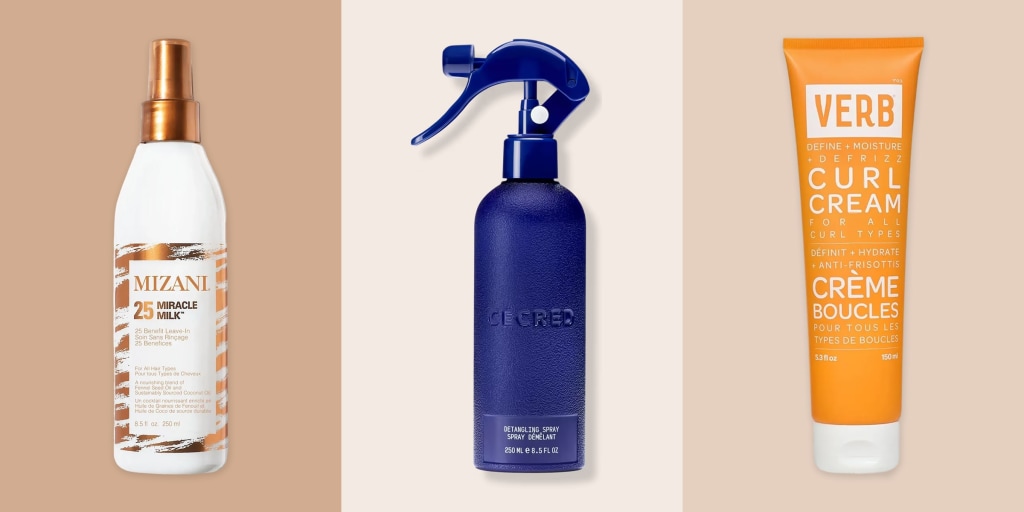
Shopping for natural-hair styling products can feel like a full-time job: the aisle is crowded with labels promising “definition”, “hold”, “curl stretch” and “frizz control”, yet your wash-day results don’t always match the marketing. A recent expert-led roundup highlighted four common ingredient groups many professionals recommend approaching with caution when styling natural hair—particularly if you’re aiming for hydrated, flexible curls and coils rather than a dry, flaky finish.
It’s worth saying upfront: ingredients aren’t automatically “good” or “bad” in isolation. How a formula performs depends on concentration, how it’s balanced with conditioning agents, and your hair’s porosity, density and styling habits. Still, understanding what tends to cause build-up, brittleness or scalp irritation can help you choose smarter—especially in the UK, where hard water, central heating and winter humidity swings can make dryness and breakage more likely.
1) Drying alcohols: why definition can turn brittle
Many stylists flag certain alcohols—often used to help products dry quickly or improve slip—as a potential culprit behind crunchy, brittle-feeling styles on curls and coils. The issue isn’t “all alcohols” (some fatty alcohols can be conditioning), but rather the more drying types that can accelerate moisture loss if a formula doesn’t include enough humectants and emollients to compensate.
In real life, this often shows up as: defined curls on day one, then roughness, tangling and a dull look by day two or three—especially on higher-porosity hair. If you love strong hold gels or fast-drying foams, watch how your hair behaves over a full week, not just styling day.
2) Sulphates (sulfates): great cleansers, but not always great for every routine
Sulphates are powerful cleansing agents commonly used in shampoos, and many curl specialists recommend limiting them if your hair is prone to dryness. For natural hair, which can struggle to get sebum down the hair shaft due to its bends and coils, an overly stripping wash can make styling harder—because dehydrated strands don’t clump and define as easily.
That said, sulphates can be useful occasionally if you use heavy stylers, oils or butters and notice persistent dullness or product residue. Think of sulphates as a “tool”, not a daily default: many people do well with gentler cleansers most of the time, and a clarifying wash when build-up starts impacting bounce and curl pattern.
3) Mineral oil and petrolatum: the build-up question
Mineral oil and petrolatum are used to create a barrier that reduces water loss—so they can feel protective, especially in harsh weather. The reason many natural-hair experts advise caution is that they can also be prone to build-up, particularly if you’re layering creams, gels and edge products throughout the week. Build-up can make hair feel coated, reduce definition, and leave curls looking limp or greasy at the roots while still feeling dry through the ends.
If you notice you need to “reapply to revive” more and more often, or your hair seems to repel water in the shower, it can be a sign your routine is skewing too occlusive. In that case, consider simplifying layers, clarifying periodically, and prioritising hydration and conditioning steps so styling products are enhancing—not substituting—moisture.
4) Added fragrance and certain essential oils: when the scalp speaks up
Fragrance makes products more enjoyable to use, but it’s also a common trigger for sensitivity in some people. Many stylists recommend being mindful if you’re experiencing itching, redness or flaking that seems to worsen after applying stylers—particularly leave-in products that sit on the scalp for days.
Essential oils can also be problematic for sensitive scalps, especially when used frequently or in strong concentrations. This isn’t about fearmongering—it’s about recognising that “natural” doesn’t always mean “gentle”. If your scalp is reactive, a fragrance-free or low-fragrance routine (and keeping heavy stylers off the scalp) may help. If symptoms persist, dermatologists often suggest seeking professional advice rather than self-treating.
How to shop smarter for natural-hair stylers (without getting overwhelmed)
Ingredient lists can be intimidating, but you don’t need to become a cosmetic chemist to make better choices. The most practical approach is to match products to your routine and desired finish—and observe results over time.
- Start with your goal: Are you wearing wash-and-gos, twist-outs, silk presses, or protective styles? Different looks need different levels of hold and slip.
- Check where you apply it: If a product touches your scalp, be more cautious with strong fragrance and irritating ingredients.
- Watch for build-up patterns: If curls lose spring, feel coated, or get dull quickly, reduce heavy layers and add a gentle clarify day.
- Balance hold with hydration: Strong-hold products often work best over a properly moisturising base (leave-in + cream) rather than as the only step.
- Patch test new stylers: Especially if you’re prone to flaky or itchy reactions—try a small area first and wait 24–48 hours.
One actionable next step: Pick your most-used styler and read the first 10 ingredients. If you spot a known trigger for you (drying alcohols, heavy occlusives, strong fragrance), trial a simpler alternative for two wash cycles and compare curl feel and scalp comfort.
Key Takeaways
- Some ingredient families—like drying alcohols—can leave curls and coils feeling brittle if the rest of the formula doesn’t compensate with conditioning agents.
- Sulphates can be effective cleansers, but many natural-hair routines benefit from gentler washing most weeks, with occasional clarifying when build-up appears.
- Mineral oil and petrolatum may trap moisture but can also contribute to coating and residue, particularly when multiple stylers are layered.
- Fragrance and essential oils are common irritants for sensitive scalps; consider fragrance-light options if itching or redness occurs.
- The best “avoid list” is personal: track your results over a full week and adjust based on definition, softness, and scalp comfort.
Frequently Asked Questions
Are all alcohols bad for natural hair?
No. Many fatty alcohols (often used as emollients) can support softness and slip. Concerns usually focus on more drying alcohols used to speed drying or boost hold; whether they’re an issue depends on the full formula and your hair’s moisture balance.
Do I need to avoid sulphates completely if I wear curls and coils?
Not necessarily. Many people minimise sulphates to reduce dryness, but an occasional sulphate shampoo can help remove stubborn build-up—especially if you use gels, butters or oils often. The key is how your hair responds and how you condition afterwards.
Why does my hair feel dry even when I use heavy oils or butters?
Oil and butter can reduce moisture loss, but they don’t “add” water to the hair. If your routine is very occlusive, water may struggle to penetrate while residue builds up—leading to coated-but-dry hair. Hydrating steps (water-based leave-ins, conditioning) and sensible clarifying can help.
Is fragrance-free always better?
Only if you’re sensitive. Many people tolerate fragrance well. If you notice itching, redness or persistent flaking after styling, fragrance-free (or low-fragrance) products are worth trialling, keeping application off the scalp where possible.
How can I tell if it’s product build-up or just dry hair?
Build-up often feels waxy, coated or dull, and hair may repel water in the shower. Dry hair tends to feel rough, tangly and lacks elasticity. You can have both at once—so a clarify-then-condition reset is a useful test.
Explore More: Discover related reads from Hairporium — News • Guides • DIYs • Expert Articles.
Learn More: Explore detailed haircare routines and styling tips at Hairporium Guides.


