
Recent Post

Scottish Hair and Beauty Awards: Musselburgh PMU win
Police raid hair salon drug hub: what it means for salon safety
What a “Glycolic Gloss” Routine Really Does for Hair Shine

How Unreal Engine Artists Build Curly Red Hair That Moves
Why ‘Wig-Accused’ Hair Is Trending — and How to Get the Look

What to Know About ‘Doctor-Recommended’ Thickening Hair Foams
Leave a comment
Police raid hair salon drug hub: what it means for salon safety
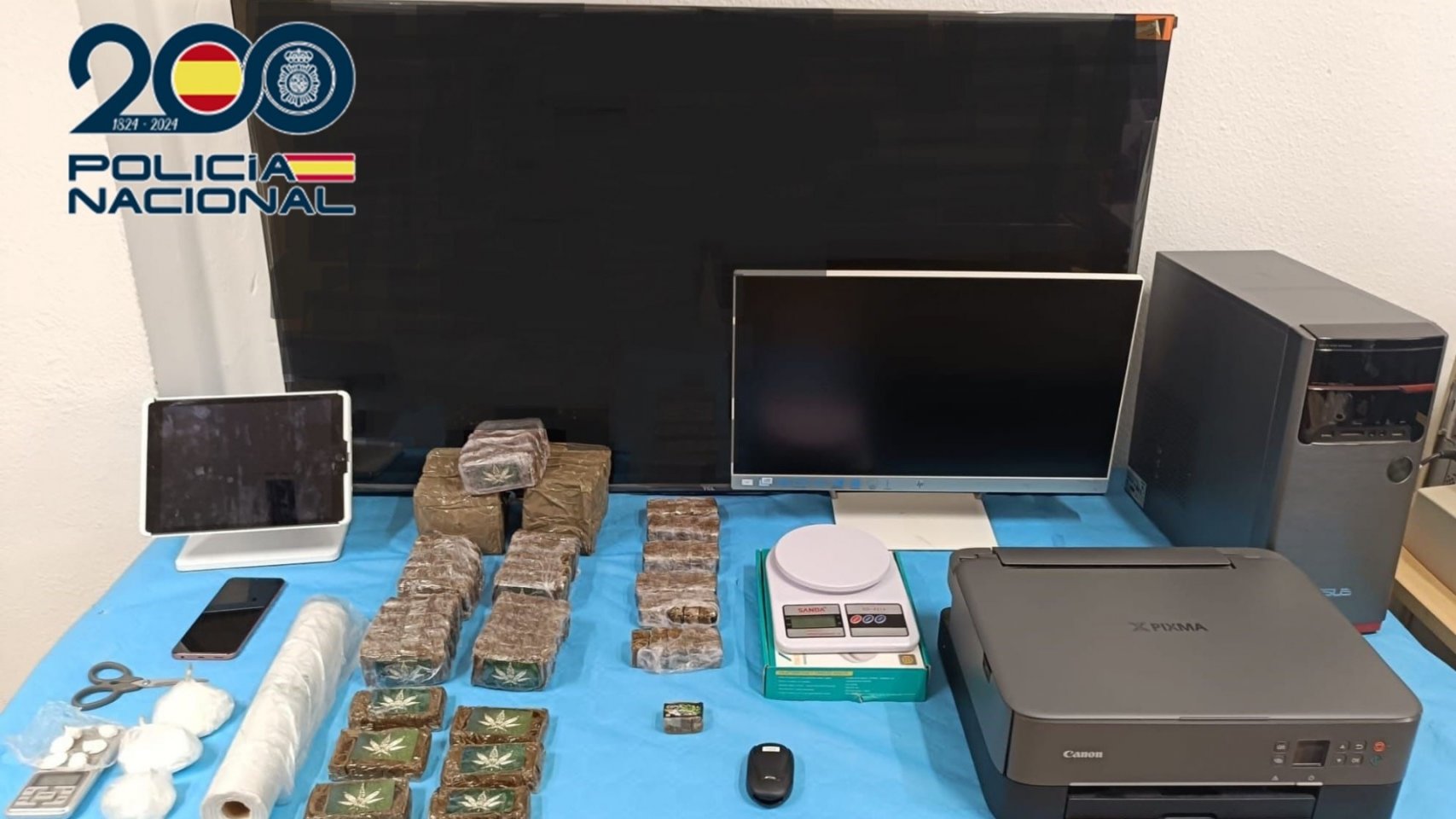
A recent police operation in San Fernando has highlighted an uncomfortable reality for the wider beauty industry: salons can be exploited as cover for criminal activity. According to local reporting, the National Police dismantled an allegedly active drug-dealing point that operated while camouflaged inside a barbershop-hair salon in the Bellavista shopping centre, with quantities of cocaine and hashish seized alongside handling and distribution materials.
While this incident did not take place in the UK, it is still relevant to UK salon owners, independent stylists, and clients. Hair and barbering spaces are built on trust, routine, and community—qualities that make them essential high-street businesses, but can also make them vulnerable if governance is weak. The practical takeaway is simple: strong everyday salon controls (from access to staff training) protect people first—and they protect the reputation of the industry.
What was reported: the essentials, without the sensationalism
The report states that the point of sale was operating “camouflaged” within a barbershop-hair salon, generating social alarm locally. Police reportedly seized 144.06 grams of cocaine and 5.425 grams of hashish, as well as items used for preparation and distribution.
For readers, the goal isn’t to amplify fear—nor to speculate beyond what’s been published—but to understand the broader lesson: salon settings can be misused when there is a lack of oversight, when back-of-house areas are poorly controlled, or when there are no clear boundaries around who has access to the premises.
Why salons can be vulnerable—and what “good governance” looks like
Salons are often busy, social environments where people come and go throughout the day. Many have a reception flow that allows walk-ins, and many share premises in retail units, shopping centres, or mixed-use buildings. None of that is inherently risky. The risk appears when basic operational controls are missing or inconsistently applied.
Common vulnerabilities (in any country) can include:
- Uncontrolled access to staff-only areas (stock rooms, back doors, toilets, basements, treatment rooms).
- Informal staffing without clear contracts, vetting, or agreed responsibilities—especially in chair-rent or “self-employed within a salon” setups.
- Cash-handling blind spots, where end-of-day reconciliation is inconsistent and cash movements aren’t logged.
- Weak incident reporting culture, where unusual behaviour is noticed but not recorded or escalated.
- Over-familiarity—clients and “friends of staff” being allowed into non-public spaces because it feels community-minded.
In the UK, many salon owners already operate robustly—particularly those aligned with local authority licensing expectations (where applicable), insurer requirements, and professional standards. But even strong salons benefit from a periodic “controls check”, especially in high-footfall locations.
Practical steps UK salons and freelancers can take this week
If you manage a salon, rent a chair, or run a small team, the most useful response is not panic—it’s process. These are low-drama, high-impact actions that fit real salon life.
- Define “public vs private” zones: add discreet signage (e.g., “Staff Only”) and ensure stock rooms stay locked when not in use.
- Control keys and entry: keep a simple log of who has keys, door codes, and alarm access; change codes when staff leave.
- Tighten end-of-day routines: reconcile tills consistently, record anomalies, and reduce unnecessary cash kept on-site.
- Train for “what doesn’t feel right”: agree a calm script for staff—what to do if they see suspicious exchanges, frequent unexplained visitors, or customers asking to access back areas.
- Use CCTV responsibly: where used and legally compliant, make sure cameras cover entrances and reception areas (not private spaces) and that signage and data handling are in order.
- Keep incident notes: a dated notebook or secure digital log helps identify patterns and supports any later reporting.
- Know your escalation route: if you ever feel unsafe, remove yourself from risk and contact venue security (for shopping centres) and the police as appropriate.
For clients, practicality matters too: if something feels off—unusual activity, pressure to go to a back room, a general lack of safeguarding—leave, trust your instincts, and choose a reputable salon with clear professionalism in how it runs.
The bigger picture: protecting trust in the hair industry
Hairdressers and barbers are often at the heart of local communities. In the UK, salons are places where people talk freely, decompress, and feel looked after—particularly for those who may be isolated, new to an area, or navigating life changes. That social role is one reason the industry is worth protecting with clear standards.
It’s also worth recognising the reputational impact when salons are linked—fairly or unfairly—to wrongdoing. One high-profile incident can create suspicion that affects nearby legitimate businesses. The best counter is visible professionalism: consistent appointment systems, clear boundaries, and a culture where staff feel supported to speak up.
From a professional best-practice perspective, many experienced salon managers recommend treating operational safety like hygiene: not an occasional “big clean-up”, but a daily, normalised routine that protects everyone in the space.
Explore More: Discover related reads from Hairporium — News • Guides • DIYs • Expert Articles.
Key Takeaways
- Police in San Fernando reportedly dismantled a drug-selling point that was allegedly operating from a barbershop-hair salon in a shopping centre.
- Even when incidents happen outside the UK, they underline a universal point: salons rely on trust, so everyday controls matter.
- Clear boundaries (staff-only areas, locked stock rooms, key control) are simple measures that reduce vulnerability.
- A consistent culture—logging incidents, training staff on escalation, and managing access—protects people and business reputation.
- Clients can act practically: if a salon environment feels unsafe or unprofessional, leave and choose a venue with clear standards.
Frequently Asked Questions
Does this story involve a UK hair salon?
No. The report relates to an incident in San Fernando. The reason it matters for UK readers is the broader lesson around safeguarding and operational standards in salon environments.
Should salons be worried about being targeted?
Most salons will never encounter anything like this. However, good governance—access control, clear procedures, and staff training—reduces risk and supports a safer workplace for everyone.
What is the single most practical step a salon can take immediately?
Review who can access back-of-house areas. Lock stock rooms, restrict staff-only zones, and ensure keys/codes are controlled and updated when staffing changes.
What should a stylist or junior do if they notice suspicious behaviour?
Put personal safety first, avoid confrontation, and follow the salon’s escalation process (manager, venue security where relevant). Where there is immediate risk, contacting the police is appropriate.
Can better salon professionalism really make a difference?
Yes. Clear boundaries, consistent routines, and a supportive culture for reporting concerns help protect clients and staff—and reinforce public confidence in legitimate, community-led salons.
Stay Updated: Read more UK hair industry news and innovations on Hairporium News.


