
Recent Post
What a “Glycolic Gloss” Routine Really Does for Hair Shine

How Unreal Engine Artists Build Curly Red Hair That Moves
Why ‘Wig-Accused’ Hair Is Trending — and How to Get the Look

What to Know About ‘Doctor-Recommended’ Thickening Hair Foams

Oral minoxidil for hair growth: what UK experts want you to know

Hair Cryotherapy for Shine: What Happens When You ‘Freeze’ Hair?
Leave a comment

What Is a J-Shape Haircut? The Low-Maintenance Layered Trend Explained
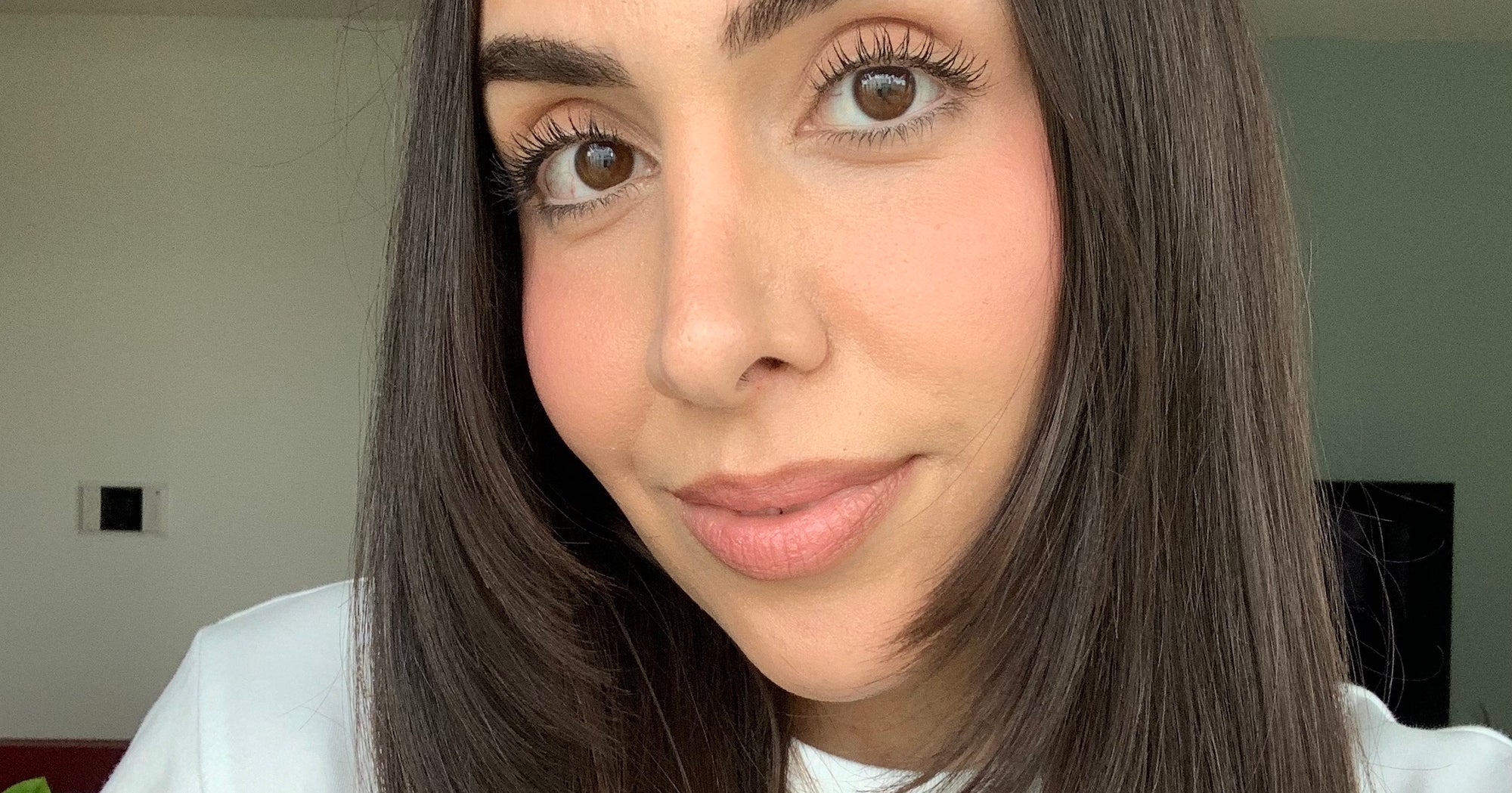
The J-shape haircut is quietly emerging as the next big layered style: soft, loosely shaped at the ends, and surprisingly easy to live with. Originating from the broader wave of low-maintenance, movement-rich cuts, this trend focuses on how hair falls at the back and sides, rather than on dramatic face-framing or choppy layers. For many, it’s that elusive “forever cut” – polished enough for work, relaxed enough for weekends, and adaptable to everyday styling without spending half the morning with a round brush.
In this guide, we’ll unpack exactly what a J-shape haircut is, how it differs from other layered looks (like the U or V cut), and how UK stylists are adapting it for different hair types and textures. If you’ve ever left the salon with great hair that you could never quite recreate at home, this is the kind of cut that can change that. The next time you’re booked in with your stylist, you’ll know exactly what to ask for – and whether the J-shape is likely to become your long-term signature style.
What Is a J-Shape Haircut?
The J-shape haircut is a long-to-mid length cut where the bulk of the hair maintains a straight or gently curved line, then kicks out into a subtle ‘hook’ or sweep at the ends – much like the curve of the letter J. Rather than relying on strong, obvious layers, it uses softer, internal layering and shaping at the perimeter to create movement and bounce.
Think of it as a more relaxed cousin of the classic U or V cut. In a U-shape haircut, the back hemline curves evenly; in a V, the hair narrows to a point at the centre back. The J-shape, by contrast, is slightly more directional: it tends to sweep to one side or create the appearance of hair flowing in one fluid motion from crown to ends. It’s particularly flattering when hair is worn down and air-dried because the shape encourages a natural bend or wave at the tips.
UK stylists often describe this cut as a “movement-enhancing perimeter” – a way of cutting the outline of the hair so that it flicks and curls in a more controlled, flattering way. The secret lies in balancing the weight: the mid-lengths stay relatively full, while the ends are softened just enough to avoid a blunt, bulky finish.
How the J-Shape Differs from Other Popular Layered Cuts
Layered cuts now come with a whole alphabet of names – U-shape, V-shape, butterfly, shag, wolf cut – and it can feel overwhelming when you’re sitting in the salon chair. The J-shape stands out because it offers the illusion of layering and movement without sacrificing too much length or density.
- Versus a U-shape: The U aims for symmetry and a rounded back. The J has a more directional flow, often curving more noticeably to one side.
- Versus a V-shape: The V removes more hair at the centre back, which can make fine hair look even thinner. The J keeps more fullness through the back, softening only the final few inches.
- Versus heavy layering: Traditional layers can create lots of shorter pieces around the crown and face. The J relies on light internal layers, focusing most of the action at the hemline and lower lengths.
- Versus a blunt cut: A blunt cut gives strong structure but can feel heavy and difficult to style. The J-shape diffuses some of that weight so ends bend and move more easily.
From a technical perspective, many stylists will approach a J-shape cut by establishing a solid baseline first, then using slide cutting or point cutting along the last few inches to create that characteristic hook. On textured or curly hair, this might be adapted with curl-by-curl cutting or on dry hair to respect the natural pattern.
Who Does the J-Shape Haircut Suit Best?
One of the reasons this cut feels like a “forever style” is its versatility. It doesn’t demand a particular aesthetic – it’s not overtly retro, ultra-layered or edgy – and it works with real-life routines. Many UK stylists are recommending it for clients who want something new but can’t commit to daily styling.
By hair type and texture:
- Straight hair: The J-shape adds interest and movement without relying on heavy styling products. A simple blow-dry or even a rough dry will help the ends naturally curve.
- Wavy hair: This is a sweet spot for the J-cut – the natural wave is encouraged at the bottom, creating an effortless, soft finish that looks “done” with very little work.
- Curly hair: With a curl-sensitive approach, the J can help shape the outline of the hair, removing bulk at the ends while preserving volume. Many curl specialists will cut this on dry hair to see where the curls fall.
- Coily and Afro-textured hair: When tailored properly, the J-shape can be a great way to define the silhouette of longer natural styles, twist-outs or silk presses, gently shaping the back and sides for a more fluid outline.
By lifestyle and maintenance preferences:
- Low-maintenance routines: If you prefer wash-and-go styling or a quick blast with the dryer, the J-shape can look polished with minimal effort.
- Heat-styling fans: A large round brush, straighteners, or a blow-dry brush will easily bring out that signature curve at the ends.
- Growing out previous layers: The J works beautifully as a transitional cut when you’re trying to grow out more aggressive layering or a shag-style.
A practical starting point is to look at how your hair behaves when it air-dries: if it already kicks out or in at the ends, a J-shape can refine that natural tendency into a deliberate style.
How to Ask Your Stylist for a J-Shape Cut
Because the J-shape is still a relatively niche term, especially in UK salons, the name alone may not communicate what you want. Bringing visual references is always a smart move. Show front, side and back images so your stylist can see how the hemline moves and where the layering starts.
When you’re in the chair, you might say something along these lines:
- “I’d like to keep most of my length but soften the ends so they curve in one direction, almost like a J-shape.”
- “I want subtle, long layers with a bit of movement – not choppy – and a perimeter that gently flicks or curves.”
- “I prefer a low-maintenance cut that still looks styled when I air-dry my hair.”
Many stylists in the UK will respond well if you also share your daily routine honestly: how often you wash your hair, whether you use heat tools, and how much time you realistically spend styling. This allows them to adapt the J-shape concept to something sustainable for you.
Hairporium’s editorial team often hears from stylists who stress the importance of tailoring: a J-shape for thick, heavy hair will be carved out differently from one on fine, delicate lengths. The underlying principle – a soft, curved hemline and gentle internal layering – stays the same, but the technique shifts with the hair in front of them.
Styling and Maintaining a J-Shape Haircut
The beauty of the J-shape is that it can look intentional even on “lazy hair” days. Still, a few foundational habits will help keep the cut looking fresh between salon visits.
At-home styling basics:
- Focus on the ends: When blow-drying, concentrate the brush or hot tool on the final few inches, encouraging them to curve under or flick out slightly, depending on your preference.
- Use lightweight products: Many stylists recommend light creams, milks or serums that enhance slip and shine without weighing down the movement at the bottom.
- Embrace air-drying: If your hair has any natural wave, apply a light styling product to damp hair and let it dry undisturbed; scrunch the ends gently to encourage that J-shaped curve.
- Try simple overnight tricks: Loose braids or a very soft bend created with a silk scrunchie can help set a natural curve at the ends while you sleep.
Salon maintenance:
- Trim schedule: Most stylists suggest a trim every 8–12 weeks to keep the outline crisp and prevent frayed ends from disrupting the shape.
- Check-in on the shape: As your hair grows, the J can drop and become less defined. Ask your stylist to subtly re-carve the perimeter while preserving length.
- Scalp and strand care: A balanced routine – gentle cleansing, regular conditioning, and occasional deep treatments – helps maintain the sheen and movement that make this cut shine. Dermatologists often suggest avoiding very harsh surfactants or aggressive over-washing if your scalp feels dry or sensitive.
A realistic next step is simple: at your next wash day, note how your ends behave and take a quick photo of your hair from the back. Bring that to your next salon visit alongside J-shape references; your stylist can then judge how much shaping is needed to create the effect you’re after.
Explore More: Discover related reads from Hairporium — News • Guides • DIYs • Expert Articles.
Learn More: Explore detailed haircare routines and styling tips at Hairporium Guides.
Key Takeaways
- The J-shape haircut is a softly layered style where the ends curve in a gentle, J-like sweep, creating movement without sacrificing too much length.
- It bridges the gap between blunt and heavily layered cuts, making it a versatile choice for straight, wavy, curly and coily hair when properly tailored.
- Because it focuses on the perimeter and lower lengths, it’s relatively low-maintenance and can look styled even with minimal daily effort.
- Clear communication – including photos and an honest description of your routine – helps your stylist interpret the J-shape trend for your specific hair type.
- Regular trims, lightweight styling products and attention to how your ends behave between appointments will keep this style looking like a long-term, “forever” cut.
Frequently Asked Questions
Is a J-shape haircut good for fine hair?
Yes, provided it’s cut thoughtfully. Many stylists will keep layers very long and minimal to avoid thinning out the ends. The J-shape can add a hint of movement and prevent fine hair from looking too flat, while still maintaining most of the density through the mid-lengths.
Does a J-shape haircut require daily heat styling?
Not necessarily. The cut is designed so that the perimeter encourages a natural curve, even when air-dried. Heat tools can refine the shape for special occasions, but the style is intended to be wearable without constant blow-drying.
How often should I trim a J-shape cut?
For most people, every 8–12 weeks is enough to maintain the outline and prevent split ends from softening the shape too much. If your hair grows quickly or you use heat regularly, you may prefer closer to 8 weeks to keep the J clearly defined.
Can I combine a J-shape with face-framing layers or a fringe?
Absolutely. Many UK stylists will pair a J-shaped perimeter with soft, face-framing layers or a fringe to balance the overall look. The key is ensuring the face-framing pieces transition smoothly into the longer lengths so the flow feels cohesive from front to back.
Is the J-shape suitable for naturally curly or coily hair?
It can be, when adapted sensitively. Curl specialists often cut dry, working with the natural pattern to shape the outline without disturbing the integrity of the curls or coils. The “J” may appear more as a gentle contour rather than a sharply visible curve, but the principle of a softly shaped perimeter remains the same.
How do I know if the J-shape will suit my face shape?
Because the main emphasis is at the ends and back, the J-shape is widely flattering. Your stylist can customise the front – adding more or fewer face-framing pieces – to complement your features, whether your face is round, oval, heart-shaped or square.


