

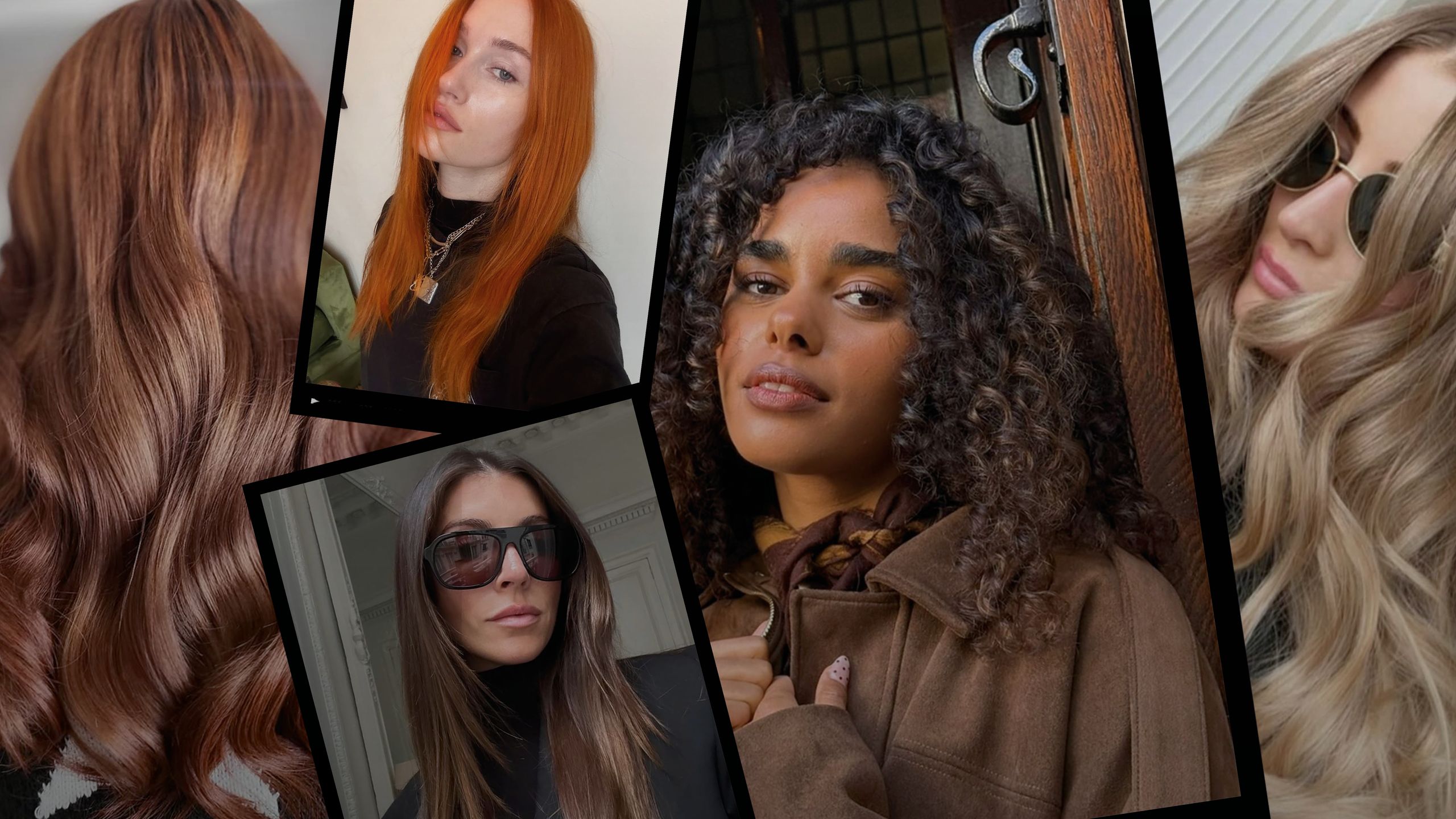
As we edge towards a new year, hair colour conversations inevitably shift from “What’s wearable now?” to “What will everyone be asking for next?” According to the latest trend round-up from Marie Claire UK, colourists are already aligning on a handful of looks poised to shape 2026—less about shock value, more about elevated, salon-smart nuance: glossy depth, softly placed dimension and shades that flatter in real life (and in British daylight).
It’s also a timely reminder that “trend” doesn’t have to mean high-maintenance. Many of the most modern colour directions rely on intelligent placement, stronger aftercare, and a clear plan between salon appointments—things a great colourist will build into your consultation. Below, we break down seven key 2026 hair colour trends referenced by industry pros, translating them into what they actually mean for your hair type, your routine and your next booking.
1) Expensive-looking brunette: depth, shine and dimension
If the last few years taught us anything, it’s that brunette is never “basic”—it’s a canvas. For 2026, pros continue to champion rich, dimensional brunettes with a polished surface: think multi-tonal ribbons rather than obvious light bits. In UK salon terms, this often shows up as a blend of lowlights and softly lifted pieces, finished with a high-gloss toner for a mirror-like sheen.
Why it lands: darker shades can look particularly luxe when the condition is excellent. Many stylists will prioritise shine and integrity—because even the best colour reads flat if the hair is porous or dehydrated.
- Ask for: a dimensional brunette blend, not a single-process “block” colour.
- Maintenance: a toner refresh and gloss every 6–10 weeks, depending on fade and warmth.
- Best practice: bring two reference photos: one in salon lighting, one in natural daylight.
2) Soft, lived-in blondes (without the harsh grow-out)
Blonde doesn’t disappear in 2026—it just continues to evolve into better wearability. Stylists are leaning into techniques that allow for a softer root area and more seamless regrowth, rather than ultra-bright, all-over lift that demands frequent touch-ups. In practice, that can look like blended highlights, a gentle root melt, or face-framing brightness that’s tailored to your cut.
The key shift is realistic contrast: enough lightness to feel fresh, but not so much that you’re in the chair every four weeks. For many UK clients balancing busy schedules and budgets, that’s the sweet spot.
- Ask for: “lived-in blonde” placement with a softened root and a gloss to refine tone.
- Maintenance: brighten seasonally; use toning products carefully (overuse can dull shine).
- Practical next step: book a consultation first if you’re going from dark to light—healthy lift is a plan, not a day.
3) Copper, auburn and warm reds—made modern
Warm reds remain a talking point as we move into 2026, but the modern versions feel more tailored: think copper that’s not too neon, auburn that feels natural, and “spiced” tones that sit between brown and red. They’re eye-catching without shouting, and they photograph beautifully.
That said, red molecules can fade faster than other tones, especially with frequent washing, hard water, or high heat styling. Many colourists will suggest a plan that includes glossing services and colour-depositing care in between appointments to keep warmth intentional rather than brassy.
- Ask for: a copper/auburn gloss layered over a brunette base if you want a lower-commitment route.
- Maintenance: cooler washes, heat protectant every time, and a colour-safe routine.
4) “Barely there” highlights: micro-dimension that moves
One of the most wearable directions for 2026 is subtle, almost undetectable dimension—highlights so fine they read as natural variation rather than “a highlight.” This is the kind of colour that suits readers who want to look polished for work, feel fresh on the weekends, and never worry about obvious stripes or chunky placement.
In salons, this may be executed with very fine foils or delicately painted pieces through the mid-lengths and ends, often paired with a toner to harmonise everything.
- Ask for: micro-highlights or very fine dimensional placement, plus a gloss for cohesion.
- Maintenance: generally lower; you can often stretch appointments longer than bolder looks.
5) High-gloss toning: the quiet trend underpinning everything
Even when the shade changes, the finish is what makes it look expensive. For 2026, professional glossing and toning services are arguably the “hero” trend across the board: they can nudge tone warmer or cooler, boost shine, and make grown-out colour look deliberate.
It’s also one of the most practical salon add-ons for those who don’t want a major lightening service. Many stylists recommend a gloss appointment between full colour sessions—particularly if your lengths are prone to dullness or if you heat style often.
- Ask for: a clear gloss for shine, or a tinted gloss to refine tone.
- Maintenance: consider a gloss every 4–8 weeks if your colour fades quickly.
6) Creamy neutrals: beige, oat and “soft gold” tones
Neutrals are continuing to rise: not overly ashy, not overly golden—just “creamy.” These shades tend to flatter a broad range of skin tones because they avoid extremes, and they suit the UK’s often grey, changeable light (where very cool blondes can look flat and very warm blondes can spike brassy).
For brunettes, the neutral idea translates too: think cocoa, latte and soft caramel accents—tones that read natural but still bring brightness around the face.
- Ask for: a neutral-toned toner (beige/cream) tailored to your base and your level of lift.
- Maintenance: shine care is key; neutrals look best when the cuticle is smooth.
7) Face-framing brightness: strategic light where it counts
Face-framing colour remains a favourite because it delivers maximum impact with minimal commitment. For 2026, it’s less about stark “money pieces” and more about softly blended lightness that complements your cut and your styling habits, whether you wear it in a centre part, a side part, or tucked behind the ears.
This is also an accessible option if you’re cautious about damage; many colourists can focus lightening around the face while keeping the rest of the hair closer to your natural level, preserving overall integrity.
- Ask for: customised, blended face-framing pieces that suit how you part and style your hair.
- Practical next step: wear your hair as you normally would to the appointment—your stylist can place brightness more accurately.
How to choose the right 2026 colour trend for you
Trend lists are useful, but the best colour is one that suits your lifestyle and your hair’s starting condition. A professional consultation should cover natural level, previous colour history, styling routine, and the reality of maintenance.
To make your next appointment more successful, arrive with a clear “brief”—including what you don’t want (too warm, too bright, too high-maintenance). If you’re unsure, many salons can do a gloss and a small placement tweak first, then build towards a bigger change over several visits.
- Consider your cadence: Are you happy visiting every 6 weeks, or do you need 10–14?
- Factor in styling: If you heat style often, prioritise shades that still look good as they fade.
- Talk aftercare: Colour longevity is routine-led—shampoo choice, heat protection and water temperature matter.
Key Takeaways
- 2026 hair colour trends lean towards polish: glossy finishes, tailored dimension, and flattering, wearable tones.
- Brunette continues to lead, but with multi-tonal depth and a high-shine finish rather than flat, single shades.
- Lived-in blondes and subtle highlights are designed to grow out softly—ideal if you want fewer salon visits.
- Warm reds (copper/auburn) remain popular, but they typically need more thoughtful fade-management.
- Your best next move: book a consultation and bring daylight photos; ask your stylist to map a realistic maintenance plan.
Frequently Asked Questions
What hair colour will look most “current” in 2026?
Based on current professional commentary, glossy, dimensional colour—especially brunettes and creamy neutrals—looks set to feel most modern. The finish (shine and condition) is as important as the shade.
Are 2026 colour trends low-maintenance?
Many are designed to be more wearable, particularly lived-in blondes and subtle dimension. However, any lightening or vivid warmth can require regular toning or glossing to keep the result looking intentional.
How do I stop my colour fading quickly?
Many stylists recommend colour-safe washing, lower water temperatures, consistent heat protection, and periodic gloss appointments. If you live in a hard-water area, ask your salon for routine tweaks that suit your hair.
Is a gloss the same as permanent colour?
No. A gloss (or toner) is typically used to refine tone and boost shine rather than dramatically lighten. Your colourist will advise what’s appropriate for your hair history and desired result.
What should I ask for if I want a change without committing to full highlights?
Consider a tinted gloss, subtle face-framing pieces, or micro-dimension. These approaches can refresh your look while keeping maintenance manageable.
Explore More: Discover related reads from Hairporium — News • Guides • DIYs • Expert Articles.
Learn More: Explore detailed haircare routines and styling tips at Hairporium Guides.


More in Hair guides
A budget thickening serum has gone viral with mature UK shoppers. Here’s what thickening products...
Nicole Kidman’s natural curls are a timely reminder: healthy texture comes from technique, not pe...
A practical UK guide to Bardot-inspired hair: lifted crown, soft texture and brushed-out waves, w...
Facial hair and weight changes can be part of a broader hormonal picture, including PCOS. Here’s ...
UK stylists are already spotlighting 2026’s chic hair direction: softer cuts with movement, riche...
From romantic soft wave bobs to laser-sharp lines, the 2026 bob is all about adaptable styling. H...
A modern fringe can be a surprisingly effective way to disguise thinning at the hairline and crow...
Hair shedding can feel alarming, but everyday habits—tight styles, heat, rough handling and scalp...
A stylist-approved “invisible face-lift” haircut uses face-framing layers and subtle lift to refr...
A stylist-informed guide to what “thicker” and “shinier” really mean in haircare — and the practi...
View all hair guides