
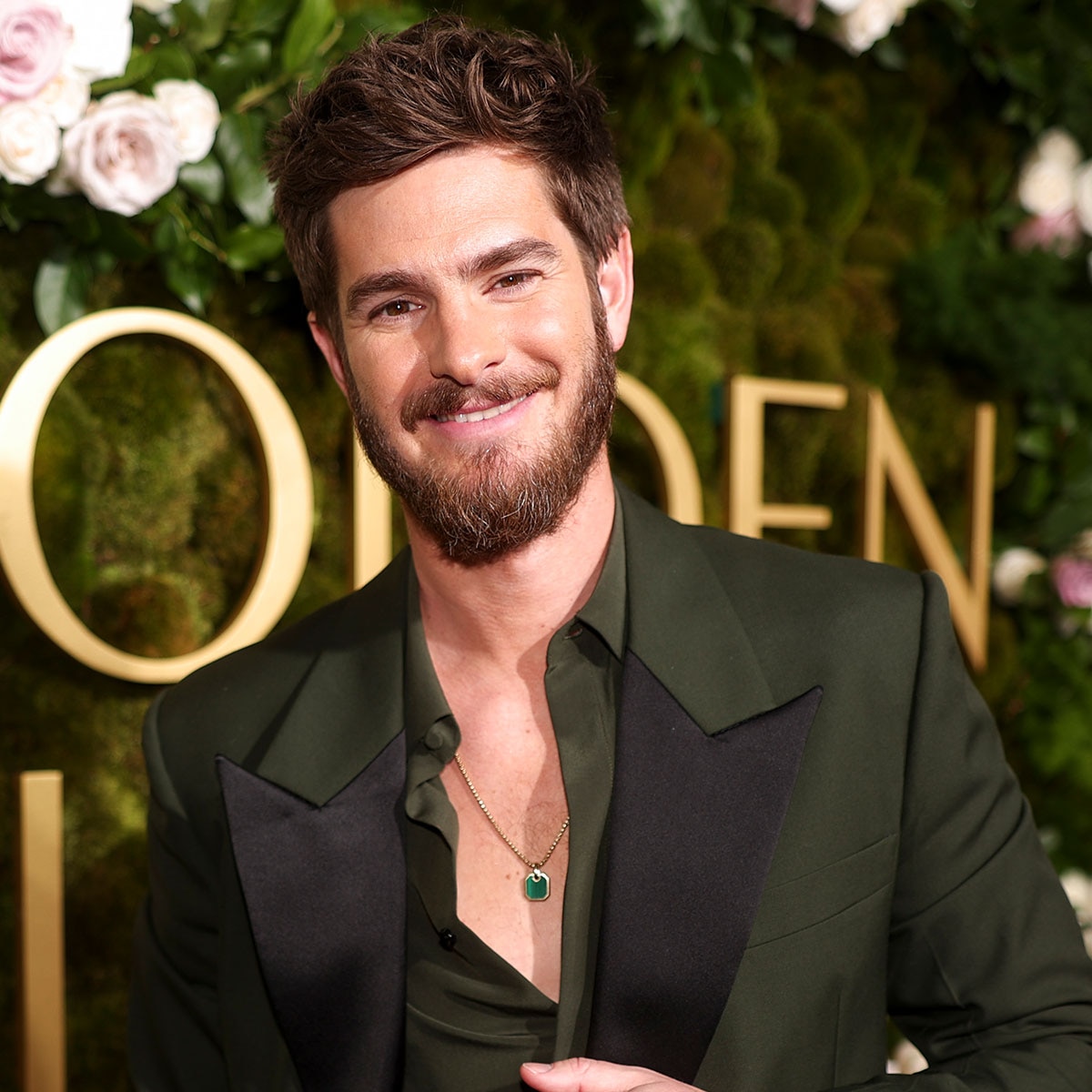
Andrew Garfield has stepped out in Las Vegas with a noticeable hair shift: longer length and a blonde tone in place of his well-known brunette look, photographed alongside actor Monica Barbaro. While celebrity transformations can feel instant, the reality behind going long and going blonde is usually more technical (and more time-consuming) than a single salon visit—especially if the goal is soft-looking colour, healthy shine and believable grow-out.
At Hairporium, we’re always interested in these moments not for the gossip, but for what they reveal about modern grooming: how men’s colour has become more mainstream; how “lived-in” blonde continues to dominate; and why hair health matters when your natural base is darker.
What Garfield’s blonde moment says about men’s hair right now
Men’s hair has quietly entered an era of choice. In UK salons, more clients—across ages—are asking for colour services that used to be considered niche: sun-kissed highlights, cooler blondes, tonal glossing and subtle root shading. Garfield’s new look sits squarely in that space: a longer, lighter style that reads fashion-forward without looking cartoonish.
There are a few reasons this trend keeps building:
- Low-key transformation appeal: A shift in colour and length can change your whole presence without a dramatic haircut.
- Natural texture is in: Longer men’s hair often looks best when it’s not over-styled—think movement, bend and softness rather than helmet shine.
- The “lived-in” finish: Many colourists now prioritise dimension (multiple tones) over a flat, solid blonde, which helps hair look more natural in daylight.
Practical next step: if you’re considering a similar change, screenshot two or three examples with different lighting (outdoor and indoor). Most misunderstandings in the salon happen because a blonde looks warm in one photo and cool in another.
How to go from brunette to blonde (without wrecking the hair)
From a darker base, becoming blonde is less about a single “colour” and more about a controlled lightening process. In professional terms, that means lifting pigment safely, then refining tone so it doesn’t pull overly brassy or dull. Many stylists recommend doing this in stages—particularly if you want to keep hair feeling strong and looking glossy.
Key considerations your colourist will typically assess:
- Starting level and undertone: Darker natural hair contains warmer underlying pigments that appear as you lighten (gold, orange). This is normal—and manageable.
- Hair history: Previous dye, swimming exposure, heat styling and even hard water can affect how evenly hair lifts.
- Length and porosity: Longer hair often has more weathering at the ends, which can lighten faster—and tone differently—than roots.
- End goal: “Blonde” can mean icy, buttery, beige, honey, or sandy. Your stylist will pick the right toner strategy once the hair is lifted.
In a UK salon setting, the most common route for a natural-looking blonde on darker hair is a form of highlights/balayage placement plus toning—not necessarily an all-over bleach-and-tone. This creates dimension, makes maintenance easier, and can be kinder to the hair fibre.
Long hair + blonde: the maintenance most people don’t see
When longer length meets lightened colour, day-to-day care is what keeps it looking premium rather than frazzled. Colour services can increase dryness and roughness, so the routine often needs to evolve—particularly for hair that’s worn loose and brushed frequently.
Many stylists suggest focusing on three pillars:
- Gentle cleansing: Over-washing can strip tone and leave lightened hair feeling wiry. A balanced wash schedule depends on scalp oiliness, styling habits and exercise.
- Targeted conditioning: Conditioner on mid-lengths and ends is non-negotiable for longer, coloured hair. If tangling is an issue, a leave-in can reduce breakage from brushing.
- Heat discipline: Blow-drying and irons can amplify dryness in bleached hair. If you do use heat, lower temperatures and heat protection are key best practices.
It’s also worth noting that “blonde” doesn’t stay the same tone naturally. Sun exposure, mineral build-up and product residue can shift it warmer or duller. That’s why toned blondes often benefit from periodic in-salon glossing to refresh shine and neutrality—something many colourists position as a quick maintenance appointment rather than a full recolour.
Practical next step: switch your brush. A softer detangling brush (especially on damp hair) can make a visible difference to breakage and frizz when you’re growing length.
If it’s a wig, dye job or role prep: how to think about the look responsibly
Celebrity hair changes aren’t always permanent. Transformations can be achieved with wigs, extensions, colour sprays, or temporary toners—particularly around events, shoots, and roles. The key takeaway for everyday readers is to treat your own hair plan based on what you want for the next few months, not just an impulse moment.
If you’re on the fence about full blonde, many UK stylists will suggest a “trial run” approach first:
- Face-framing lightening or a subtle highlight placement near the front.
- A tonal gloss to shift your brunette slightly cooler or warmer without heavy lifting.
- A consultation patch/strand test if your hair is fragile, previously coloured, or you’re aiming for a cool blonde from a dark base.
This is also where professional advice matters: if your scalp is sensitive or you’ve had irritation before, dermatologists often suggest discussing sensitivities and considering a patch test well ahead of your appointment. It’s a small step that can help you colour with more confidence.
Key Takeaways
- Andrew Garfield’s long blonde look reflects a wider shift: men’s colour is increasingly mainstream and more nuanced than a single all-over shade.
- Going from brunette to blonde is a process—lightening plus thoughtful toning—often best achieved in stages for hair quality.
- Long, lightened hair typically needs upgraded maintenance: gentler cleansing, better conditioning, and careful heat habits.
- A dimensional blonde (highlights/balayage) can look more natural and be easier to maintain than a flat, uniform blonde.
- Your most practical first move: book a consultation, bring varied lighting references, and ask about maintenance cadence before committing.
Frequently Asked Questions
How long does it take to go from dark hair to blonde?
It depends on your starting colour, previous dye history, and the shade of blonde you want. Many colourists prefer multiple sessions to keep hair looking and feeling healthy.
Is it better to get highlights or full bleach for a natural blonde?
For many people starting from brunette, highlights or balayage with a toner can create a more believable, dimensional blonde and softer regrowth. Full bleach can be higher maintenance.
How do I stop blonde hair going brassy?
Brassiness is common as underlying warm pigments show through. Many salons recommend periodic toning/glossing and using products that support tone without over-drying the hair.
Can I grow my hair long while colouring it blonde?
Yes, but it usually requires a breakage-aware routine: gentle detangling, consistent conditioning, and being cautious with heat and tight hairstyles.
Do I need a patch test for hair colour?
Salons often advise patch tests for certain colour services, especially if you’ve had sensitivity in the past. If you’re unsure, ask your salon what their policy is before booking.
Explore More: Discover related reads from Hairporium — News • Guides • DIYs • Expert Articles.
Stay Updated: Read more UK hair industry news and innovations on Hairporium News.


More in Hair news
Demi Moore says her waist-length hair feels “like coming home”. We unpack why signature length en...
‘Baldmaxxing’ reframes male hair loss as a styling choice. We unpack the trend, the confidence sh...
Pamela Anderson’s white-blonde Golden Globes hair spotlights a return to sleek up-dos—along with ...
Rose stem cell treatments are being linked to renewed hair colour in new reporting. Here’s what w...
Stylists predict 2026 will favour collarbone-grazing cuts, polished undone waves, soft fringes an...
From glossy “quiet glamour” to modern updos and face-framing parts, Golden Globes 2026 hair set a...
Joe Keery’s Golden Globes 2026 bleach blonde moment has sparked fresh interest in high-impact men...
A new hair and wellness salon is celebrating its launch with an open evening. We look at what “ho...
A new Salisbury hair-and-wellness salon is hosting an open evening, inviting guests to explore th...
Bronde is surging in UK salons again, with the “Kate Effect” bringing the brunette-blonde blend i...
View all hair news