

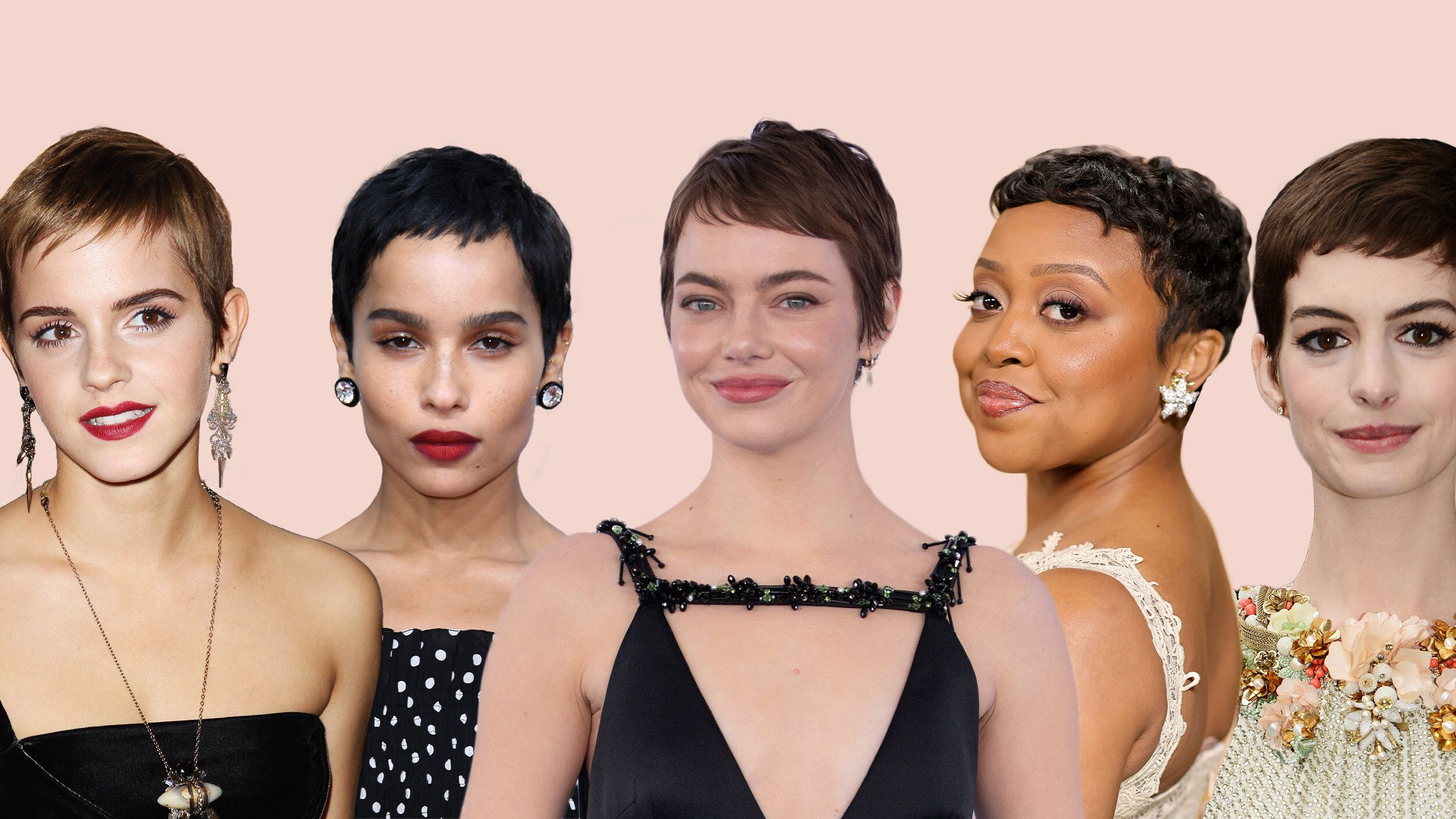
The pixie cut has a habit of turning a “maybe” into a full reset. Harper’s Bazaar UK’s round-up of celebrity pixie transformations—spanning Anne Hathaway, Victoria Beckham and more—shows exactly why: a short crop can sharpen cheekbones, spotlight eyes, and make personal style feel instantly more intentional. But the most useful takeaway isn’t simply that pixies look chic on famous faces; it’s that the best ones are tailored. In real life, a great pixie is less about bravery and more about the right shape, the right maintenance plan, and a stylist who understands proportion, texture and growth patterns.
Below, we break down what those dramatic before-and-after moments can teach you, how UK salons typically approach a modern pixie consultation, and what to ask for—so you can walk out with a cut that looks editorial on day one and still works on a rainy Tuesday commute.
Why celebrity pixie transformations hit so hard
Celebrity “big chops” land because they’re a masterclass in silhouette. Long lengths can soften and blur facial structure; a pixie does the opposite by creating clean lines around the ears, jaw and nape. When done well, it can create the illusion of lift at the crown, add definition at the temples, and bring balance to features—especially when fringe direction and sideburn length are thoughtfully chosen.
In editorial imagery, pixies are often styled to look effortless, but there’s technique behind the ease. A stylist will typically consider:
- Head shape: where the occipital bone sits (that curve at the back of the head) influences how short the nape can go without looking flat.
- Hairline and growth patterns: cowlicks at the crown, strong temple growth, and a low nape hairline all change how a pixie should be engineered.
- Texture: straight hair shows every line; wavy hair needs weight removed differently; coily hair often benefits from shape-first cutting and mindful shrinkage planning.
- Personal styling habits: how often you heat-style, air-dry, wear hats, or tie hair back matters more than most people realise.
What makes the Bazaar transformation format so persuasive is the clarity: you can see how shifting the perimeter changes the whole “read” of the face. It’s a reminder that haircuts aren’t just length—they’re architecture.
The modern pixie: which version suits your hair (and your life)
“Pixie” is a broad category. In UK salons right now, you’re more likely to be offered a variation that fits your texture and maintenance tolerance rather than a one-size crop. Here are the most commonly requested families of pixie, and what they tend to suit:
- The soft, classic pixie: gentle tapering, slightly longer top, neat around the ears. Often suits fine-to-medium hair and those who want a polished look with minimal daily effort.
- The bixie (pixie-bob hybrid): longer through the crown and sides, with a more relaxed perimeter. Popular for first-time short cutters because it grows out gracefully.
- The textured, piecey pixie: internal layering and separation for movement. Great on thicker hair; styling products matter for definition.
- The cropped-androgynous cut: tighter sides and nape, more deliberate shape. Striking, but often needs more frequent trims to keep the silhouette sharp.
- The fringe-forward pixie: longer fringe or sweeping front section. Helpful if you want flexibility (and can be useful if you prefer more coverage at the forehead).
Many stylists recommend choosing your pixie “anchor point”—the element you care about most. For some it’s a flattering fringe; for others, it’s a clean nape or a bit of length around the ears. Once you know your anchor, the rest of the cut becomes easier to personalise.
What to ask your stylist before you commit (a UK consultation checklist)
If a celebrity before-and-after is your inspiration, bring screenshots—but treat them as a starting point, not a promise. Lighting, density, extensions, and editorial styling all affect outcomes. A productive salon consultation turns inspiration into a plan.
Use this practical checklist at your appointment:
- Ask how it will look air-dried. If you mainly wash-and-go, you need a cut that falls well without a round brush.
- Discuss your growth pattern. Cowlicks and swirl direction can dictate where the parting sits and how short the crown can go.
- Agree on your maintenance schedule. Many pixies look best with a tidy-up every 4–6 weeks; longer bixie shapes may stretch to 6–8.
- Plan boundaries at the ears and nape. “Tucked behind the ear” doesn’t exist with a pixie—those edges are the style.
- Talk through styling time realistically. If you won’t use product, ask for a shape that doesn’t rely on it for separation.
A smart approach—especially if you’re nervous—is to go in stages: take it to a longer pixie or bixie first, live with it for a few weeks, then go shorter. That staged method is common in UK salons because it reduces shock and helps refine the final shape based on how your hair behaves at shorter lengths.
Styling and upkeep: how to make a pixie look good beyond day one
The secret to a pixie that looks “expensive” isn’t constant heat; it’s consistency. Because the cut is shorter, small differences in bend, direction and product placement show up more clearly. The good news: a pixie often takes less time overall—once you know your routine.
Try these stylist-approved habits:
- Use a tiny amount of product. Start with less than you think; add more only where needed (often the crown and fringe).
- Change the direction as you dry. Blow-drying forward then back can create lift at the root without teasing.
- Keep tools small. A mini straightener or small round brush can refine fringe and side sections quickly.
- Refresh rather than rewash. A quick water spritz and re-style can reset bends. If you use dry shampoo, focus at the root and brush through thoroughly to avoid dullness.
- Book trims proactively. Put your next appointment in the diary before you leave—maintenance is what keeps a pixie looking intentional, not overgrown.
If you’re adjusting to a shorter style, the most practical next step is to spend one week observing what your hair does naturally—where it splits, where it puffs, where it flattens—then share that feedback with your stylist at the first tidy-up. That small loop of real-world information is often what turns a good pixie into your perfect pixie.
Key Takeaways
- A pixie cut is about shape and proportion, not just removing length—your hairline, crown patterns and head shape matter.
- “Pixie” includes multiple variations (classic, bixie, textured, cropped, fringe-led). Pick the one that matches your texture and maintenance comfort.
- Bring celebrity references, but ask your stylist to translate them to your density, growth patterns and day-to-day styling habits.
- Plan maintenance upfront: many pixies benefit from trims every 4–6 weeks to keep the silhouette crisp.
- The easiest upgrade is technique, not tools: small amounts of product and directional blow-drying make the biggest difference.
Frequently Asked Questions
Will a pixie cut suit my face shape?
Many people can wear a pixie because it can be adjusted—fringe length, side coverage around the temples, and volume placement can all be tailored. A consultation that considers head shape and features is more reliable than face-shape “rules”.
How often will I need to get a pixie trimmed?
It depends on how sharp you like the outline. Many salon professionals recommend a clean-up every 4–6 weeks for closely cropped shapes, while longer bixie styles may stretch closer to 6–8 weeks.
Is a pixie high maintenance to style?
Daily styling can be quick, but the cut is less forgiving if it grows out unevenly. If you prefer zero product and air-drying, ask for a pixie designed to sit well with minimal manipulation.
What should I ask for if I want to grow a pixie out later?
Request a shape with a softer perimeter and enough length through the crown (often a bixie-leaning pixie). Also ask your stylist to outline a grow-out schedule—strategic trims can prevent awkward “mullet stages”.
Can a pixie work with curly or coily hair?
Yes, and it can look striking. Because curl pattern and shrinkage affect final length, many stylists recommend cutting with the curl behaviour in mind and agreeing on where volume should sit (crown, fringe, or sides).
How do I avoid a pixie looking flat?
Lift at the roots is key. Try blow-drying in alternating directions, lifting at the crown with fingers, and using a lightweight styling product. Your stylist can also place layers to support volume without creating frizz.
Explore More: Discover related reads from Hairporium — News • Guides • DIYs • Expert Articles.
Learn More: Explore detailed haircare routines and styling tips at Hairporium Guides.


More in Hair guides
A budget thickening serum has gone viral with mature UK shoppers. Here’s what thickening products...
Nicole Kidman’s natural curls are a timely reminder: healthy texture comes from technique, not pe...
A practical UK guide to Bardot-inspired hair: lifted crown, soft texture and brushed-out waves, w...
Facial hair and weight changes can be part of a broader hormonal picture, including PCOS. Here’s ...
UK stylists are already spotlighting 2026’s chic hair direction: softer cuts with movement, riche...
From romantic soft wave bobs to laser-sharp lines, the 2026 bob is all about adaptable styling. H...
A modern fringe can be a surprisingly effective way to disguise thinning at the hairline and crow...
Hair shedding can feel alarming, but everyday habits—tight styles, heat, rough handling and scalp...
A stylist-approved “invisible face-lift” haircut uses face-framing layers and subtle lift to refr...
A stylist-informed guide to what “thicker” and “shinier” really mean in haircare — and the practi...
View all hair guides