

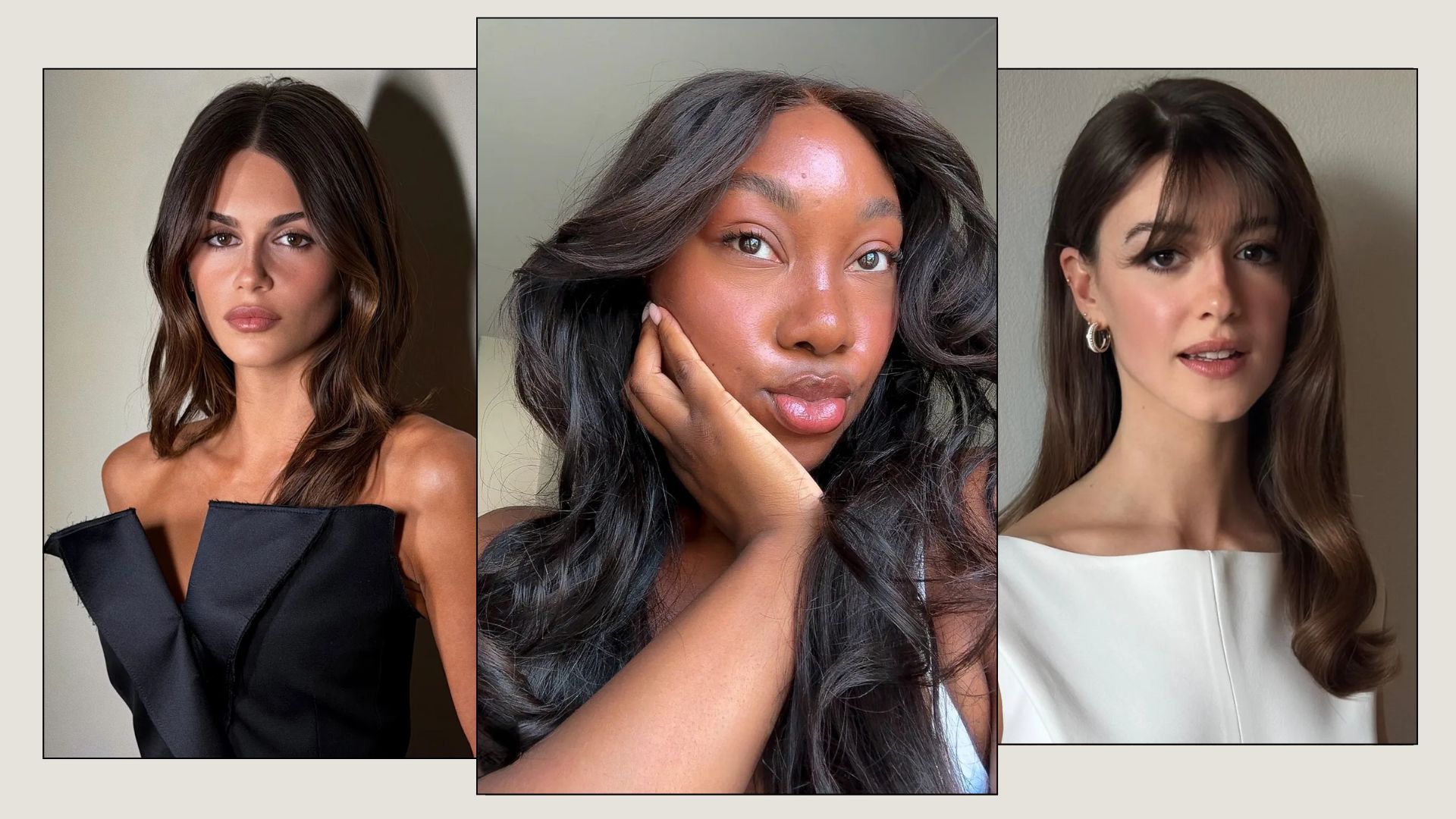
Honey blonde has had an impressively long reign — from soft, sunkissed ribbons to full “old money” blonde blow-dries. But as we head into 2026, editors and celebrity colourists are increasingly spotlighting a richer alternative: cocoacore hair. Think chocolate-meets-chestnut brunette with a polished sheen, gentle warmth and just enough dimension to look naturally expensive rather than flat or overly dark.
While the term comes from the wider “-core” trend cycle, cocoacore is less about novelty and more about refined colour technique: controlled warmth, believable depth, and light placement that mimics how brunette hair catches winter-to-spring light in real life. For UK salon-goers, it’s also a practical shift — cocoacore typically grows out more softly than high-lift blonde and can be tailored to a wide range of skin tones and hair textures.
Below, we break down what cocoacore hair actually looks like, how it differs from other brunette trends, what to ask for in the salon, and how to keep that glossy finish at home without slipping into brassiness or dullness.
What “cocoacore” hair looks like (and why it’s replacing honey blonde)
Cocoacore is best described as a warm-leaning brunette with a creamy, chocolate depth. It’s not a single shade; it’s a family of tones that sit somewhere between cocoa powder, milk chocolate and soft espresso — finished with a light-reflective gloss that makes hair look healthy and dense.
Why now? In trend terms, it’s a natural pendulum swing. After seasons of bright, golden blondes (and the high maintenance that comes with them), beauty is moving towards lower-contrast, higher-shine colour that still looks “done”. Cocoacore delivers that polish without pushing hair to the edge of its strength through repeated lightening.
In UK hair culture, this is also aligned with how many top colourists work: building dimension subtly so hair looks premium in real life — not just under salon lights. Cocoacore feels modern because it avoids obvious stripy highlights and instead uses soft, blended placement.
Common visual cues of cocoacore:
- Warmth without brass: chestnut, caramel-cocoa and soft coppery undertones kept controlled.
- Depth at the root: a shadowed base for a natural-looking grow-out.
- Low-to-medium contrast ribbons: lighter pieces that read as natural variation rather than “highlights”.
- High gloss finish: a reflective topcoat is part of the look, not an afterthought.
Real-world next step: If you’re unsure whether to go darker, ask your colourist for a gloss-only appointment first — a cocoa-toned glaze can test-drive the vibe without a full commitment.
Cocoacore vs other brunette trends: mocha, espresso and “old money” brown
Brunette “names” can get confusing quickly, especially when trends overlap. What makes cocoacore distinct is the balance: it’s warm and rich, but still softly neutralised, and it’s designed to look expensive through dimension + shine, not extreme contrast.
Cocoacore vs mocha brunette: Mocha often leans cooler or more neutral (think coffee with a dash of milk). Cocoacore usually sits a touch warmer, with more chocolate/chestnut reflect.
Cocoacore vs espresso: Espresso is deeper and moodier — closer to near-black brunette. Cocoacore keeps more mid-brown lightness through the lengths so it doesn’t look heavy, especially on fine hair.
Cocoacore vs “old money” brunette: Old money brown tends to be very sleek and minimal — often lower in visible highlight pattern, very high in shine. Cocoacore can include a little more visible ribboning (still soft), giving movement and texture even when air-dried.
For UK clients who frequently heat-style, cocoacore’s mid-brown spectrum can be especially forgiving: it masks minor dryness better than pale blonde and can make hair look thicker, which is one reason it’s being championed by editors and worn by celebrities who are constantly on camera.
What to ask your colourist for: a UK-salon “cocoacore” brief
Trend names aren’t universal in salons, so your best bet is to describe the finish and the technique. A strong consultation is key — especially if you’re moving from honey blonde or any high-lift colour.
Bring clear reference photos and ask your colourist to talk through:
- Your starting level: current colour (natural and cosmetic) changes the route to cocoa tones.
- Previous lightening: blonded hair can grab warmth fast; controlled toning matters.
- Maintenance schedule: how often you can realistically come in for glosses or refreshes.
- Face-framing preference: you may want slightly lighter “cocoa ribbons” around the hairline.
Salon wording that helps: “I’d like a rich cocoa brunette with a softly shadowed root, subtle dimension through the mid-lengths, and a high-gloss finish — warm, but not brassy.”
If you’re transitioning from honey blonde, many colourists will recommend a staged approach: first adding depth (low-lights or a reverse balayage), then refining warmth and shine with a gloss. This helps prevent the colour looking flat or overly opaque.
Patch tests and strand tests: In UK salons, patch testing is commonly required for oxidative colour services. It’s also reasonable to ask about a strand test if your hair is porous or previously heavily lightened — it can help predict how warmth will develop and how long the gloss will last.
How to maintain cocoacore shine at home (without going dull or brassy)
Cocoacore’s signature is shine — and shine is partly colour, partly condition, and partly styling. Many stylists recommend treating a glossy brunette like you would a silk blouse: gentle washing, minimal friction, and heat used with intention.
Here’s a practical maintenance routine that suits most hair types (adjust based on your texture and lifestyle):
- Protect the tone: Use a colour-protecting shampoo and conditioner, and avoid very hot water which can speed up fade.
- Add a weekly conditioning step: A mask once a week supports softness and keeps light reflection high, especially if you heat-style.
- Consider a gloss refresh: Many salon glosses look their best for a few weeks; booking a refresh can keep cocoacore looking intentional rather than “just grown out”.
- Use heat wisely: Keep tools at the lowest effective temperature and always use heat protection to reduce dullness from damage.
- Manage warmth strategically: If your hair pulls very warm, ask your colourist how to neutralise gently rather than aggressively stripping tone.
It’s worth noting that “brassy” can mean different things: sometimes it’s genuine unwanted warmth; other times it’s simply contrast showing through as gloss fades. A professional toner or gloss (in-salon) can often bring back that cocoa richness more predictably than experimenting with strong pigment at home.
Real-world next step: Check your hair in natural daylight. If the mid-lengths look slightly matte or uneven, prioritise a gloss appointment or conditioning plan before changing the shade again.
Key Takeaways
- Cocoacore is a rich, warm-leaning brunette trend with soft dimension and a high-gloss finish — tipped to rise in 2026 as an alternative to honey blonde.
- It differs from espresso and mocha by balancing depth + warmth without heavy darkness or obvious coolness.
- For the most “expensive” look, ask for a shadowed root, subtle ribbons (not harsh highlights), and a professional gloss.
- If you’re moving from blonde, a staged transition (adding depth first, then refining tone) often looks more natural and is typically gentler on the hair’s condition.
- Maintain the trend with colour-safe care, weekly conditioning, mindful heat styling, and periodic gloss refreshes to keep shine and tone consistent.
Frequently Asked Questions
Is cocoacore hair suitable if I naturally have very dark hair?
Often, yes. Your colourist can build cocoa reflect and dimension without dramatically lightening the base — for example with subtle ribboning or a gloss that brings warmth and shine to the surface.
Will cocoacore work on grey blending?
It can, depending on your coverage goals. Many colourists use softer, warm brunette tones and strategic light placement to blend greys more gently, but the best approach varies by percentage and texture of grey hair. A consultation is essential.
How is cocoacore different from balayage?
Balayage is a technique; cocoacore is a colour direction and finish. You can absolutely achieve cocoacore using balayage placement, but the defining feature is the cocoa-toned richness and gloss.
Does cocoacore require more or less upkeep than honey blonde?
For many people, it’s less maintenance than high-lift blonde because regrowth is less stark. However, it may still benefit from regular glossing to keep the tone rich and the shine high.
What should I avoid if I want cocoacore to stay glossy?
Excessive heat without protection, overly clarifying shampoos used too frequently, and rough towel-drying can all contribute to dullness. Gentle care and consistent conditioning usually make the biggest difference.
Explore More: Discover related reads from Hairporium — News • Guides • DIYs • Expert Articles.
Learn More: Explore detailed haircare routines and styling tips at Hairporium Guides.


More in Hair guides
A budget thickening serum has gone viral with mature UK shoppers. Here’s what thickening products...
Nicole Kidman’s natural curls are a timely reminder: healthy texture comes from technique, not pe...
A practical UK guide to Bardot-inspired hair: lifted crown, soft texture and brushed-out waves, w...
Facial hair and weight changes can be part of a broader hormonal picture, including PCOS. Here’s ...
UK stylists are already spotlighting 2026’s chic hair direction: softer cuts with movement, riche...
From romantic soft wave bobs to laser-sharp lines, the 2026 bob is all about adaptable styling. H...
A modern fringe can be a surprisingly effective way to disguise thinning at the hairline and crow...
Hair shedding can feel alarming, but everyday habits—tight styles, heat, rough handling and scalp...
A stylist-approved “invisible face-lift” haircut uses face-framing layers and subtle lift to refr...
A stylist-informed guide to what “thicker” and “shinier” really mean in haircare — and the practi...
View all hair guides