

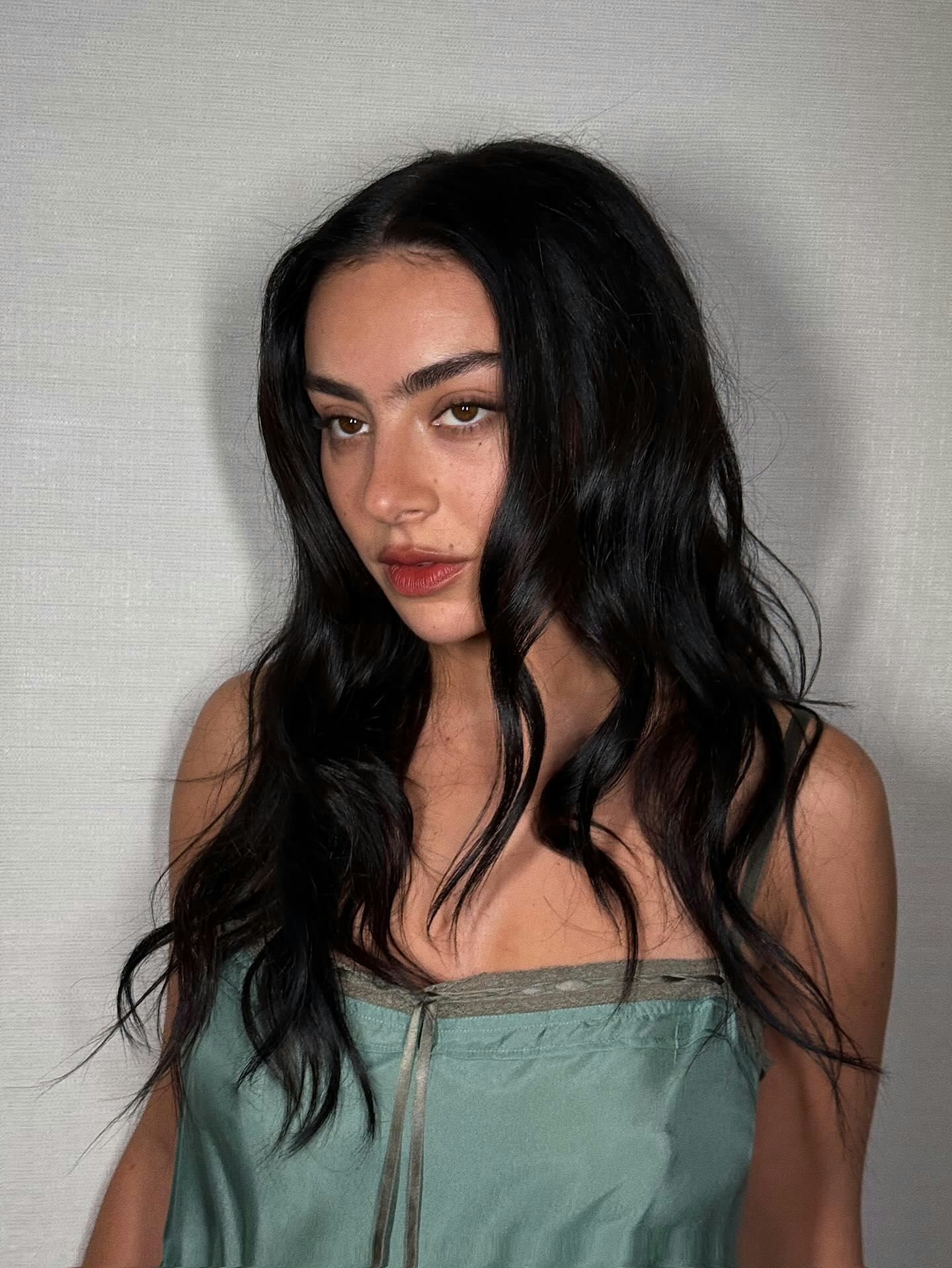
As we edge towards the new year, hair trend forecasting always sharpens into focus — and one prediction making the rounds is that “colour drenching” will rise in 2026 while balayage, the long-reigning salon favourite, may start to feel less dominant. The shift isn’t so much a rejection of soft, lived-in colour as a renewed appetite for richer, more deliberate saturation: hair that looks uniformly glossy, expensive, and intentionally toned from root to tip. For UK clients used to asking for a “natural, sun-kissed” finish, the conversation in 2026 looks set to move towards depth, shine, and beautifully controlled colour placement.
What “colour drenching” actually means (and why it’s trending)
Despite its dramatic name, colour drenching isn’t necessarily about extreme, unnatural colour. In salon terms, it’s a more immersive approach to colouring where the overall impression is one cohesive, saturated tone — sometimes monochrome, sometimes tonal (think multiple close shades blended so seamlessly that the hair reads as one luxurious colour family).
Where balayage typically emphasises contrast and brightness through painted highlights, colour drenching prioritises density and richness. Many stylists describe it as “full-colour confidence”: a look that’s intentional in every lighting condition, not just flattering in selfies.
In the UK, where seasonal light can be grey and indoor lighting can flatten dimension, a drenched tone with a high-shine finish often reads more polished day-to-day. It’s also a look that pairs naturally with the ongoing “quiet luxury” beauty mood: fewer obvious techniques on show, more emphasis on hair that looks inherently glossy and healthy.
- Less obvious contrast: The technique tends to avoid the sharp ribboning effect some balayage can develop as it grows out.
- More deliberate depth: Clients may choose deeper bases, tonal lowlights, or all-over glossing to amplify richness.
- Shine-led finishing: Colour drenching relies on reflectivity — gloss services, finishing treatments, and careful heat styling matter.
Practical next step: The next time you’re in the salon, ask for a consultation focused on “tone, depth, and shine” rather than “highlights” — and take a few photos in different lighting so your colourist can see how your current shade reads in real life.
Is balayage really “out” — or simply evolving?
Balayage has been declared “over” more times than anyone can count, yet it remains popular for good reason: it can be flattering, lower maintenance than traditional foils for many people, and customisable across hair types. But what can fall out of favour is a recognisable, one-size-fits-all balayage look — especially when it becomes extremely high-contrast or heavily brightened through the mid-lengths and ends.
In 2026, the bigger story may be a movement away from obvious, technique-led colour and towards finishes that look cohesive and premium. That doesn’t mean your balayage needs a dramatic overhaul. For many clients, it could simply mean:
- softening overly bright ends with a toner or glaze
- adding depth through lowlights for a more even “expensive brunette” or “rich blonde” effect
- reducing the visible jump between natural regrowth and lightened lengths
UK salon pricing and time pressures also play a role. Full-head, high-impact blonding can be a longer appointment and may require more frequent toning visits to keep brassiness at bay — particularly in hard-water areas where minerals can affect how colour looks over time. Colour drenching, done thoughtfully, can sometimes offer a more controlled tone story between appointments, especially when paired with a salon gloss schedule.
How to talk to your colourist: 2026 consultation language that works
Trend names can be useful shorthand, but a good consultation is always about translating a vibe into technique — and aligning that with your hair’s condition, your comfort with maintenance, and your daily styling habits.
Bring references, but also bring context. Many UK salons will ask about your routine, heat styling, previous colour history, and how often you realistically want to return for refreshes. If you’re interested in colour drenching, here are smart questions and phrases that help your stylist tailor the result:
- “I want a cohesive, saturated tone.” Ask whether that’s best achieved with all-over colour, a gloss, or tonal lowlights.
- “I’d like more depth and shine, less contrast.” This signals you want refinement rather than visible highlight placement.
- “Can we keep dimension, but make it read as one colour family?” Ideal if you’re not ready to give up movement in the hair.
- “What maintenance plan would you recommend?” This invites a realistic schedule: toners, glosses, and trims.
- “How will this look as it grows out?” Essential if you’re moving away from balayage’s lived-in reputation.
It’s also worth asking about how your shade will be protected at home. Many stylists recommend managing heat and UV exposure and using colour-safe cleansing habits to maintain vibrancy and shine. If you swim, mention it — chlorine and frequent wetting can affect tone, particularly in lighter shades.
Cut and finish still matter: why drenched colour looks “expensive”
One reason colour drenching photographs so well is that it works hand-in-hand with shape and surface condition. A single, saturated tone will highlight the silhouette of the cut and the smoothness of the outer layer — which means it can look incredible when the cut is precise and the hair is well-finished, and less convincing when ends are dry or the top layer is frayed.
To make the look work in the real world, many stylists focus on the “surface”: keeping the cut clean, reducing split ends, and finishing with controlled heat styling (or heatless techniques) that maximise reflectivity. This is also where a salon gloss service can help enhance light reflection — not as a “miracle” fix, but as a cosmetic boost that can make tone look more uniform.
For UK readers dealing with winter dryness, indoor heating, and damp weather, the practical reality is that shine is often a routine, not a one-off appointment. If you want a drenched colour to look its best, build in:
- regular trims to keep the perimeter looking dense
- gentler washing habits (lukewarm water, minimal rough towel-drying)
- heat protection whenever you blow-dry or straighten
- a hair mask schedule that suits your hair type (fine hair often prefers lighter formulas)
Key Takeaways
- Colour drenching focuses on a cohesive, saturated tone with high shine, rather than the contrast-led brightness typical of balayage.
- Balayage isn’t “dead” — but more obvious, high-contrast versions may give way to softer, more tonal results in 2026.
- Consultation language matters: ask for “depth, tone, and shine” and discuss how the colour will grow out between appointments.
- Maintenance is still key: toning/glossing and a realistic refresh schedule can keep drenched colour looking polished.
- Finish completes the trend: healthy-looking ends, controlled heat styling, and day-to-day shine habits help saturated colour look premium.
Frequently Asked Questions
What is colour drenching in hair colour?
Colour drenching is a technique-led approach that creates an overall impression of one rich, saturated shade (or one tonal family), typically enhanced by shine-focused finishing and careful toning for a cohesive look.
Do I need to dye my hair all over to get the colour-drenched look?
Not always. Some people achieve a drenched effect with a gloss/toner and subtle lowlights, especially if their existing colour is close to the target shade. Your colourist can advise based on your current level and previous colour history.
Is colour drenching lower maintenance than balayage?
It depends on your shade and how your hair holds tone. Balayage can be forgiving as it grows out, but saturated tones may require periodic glossing to keep shine and richness. Ask your stylist what a realistic appointment rhythm looks like for you.
Will colour drenching work on curly or textured hair?
Yes, but the approach should be tailored. Many stylists adapt placement and toning to complement curl pattern and how light hits the hair. A consultation is essential to factor in porosity, shrinkage, and your styling routine.
Can I transition from balayage to colour drenching without damaging my hair?
A careful transition plan can reduce stress on the hair. Often, the shift involves adding depth and tone (rather than more lightening), alongside trims and conditioning support. Your colourist should assess condition and plan the safest route.
Explore More: Discover related reads from Hairporium — News • Guides • DIYs • Expert Articles.
More From the Experts: Read interviews and insights from stylists and professionals on Hairporium Expert Articles.


More in Expert insights
Hair-focused chants in sport can move from banter to public shaming. Here’s what a recent darts s...
New reporting suggests grey hairs may reflect a protective cellular “pause” linked to cancer prev...
A new angle on greying links hair pigment loss to the body’s protective cellular responses. We un...
View all expert insights