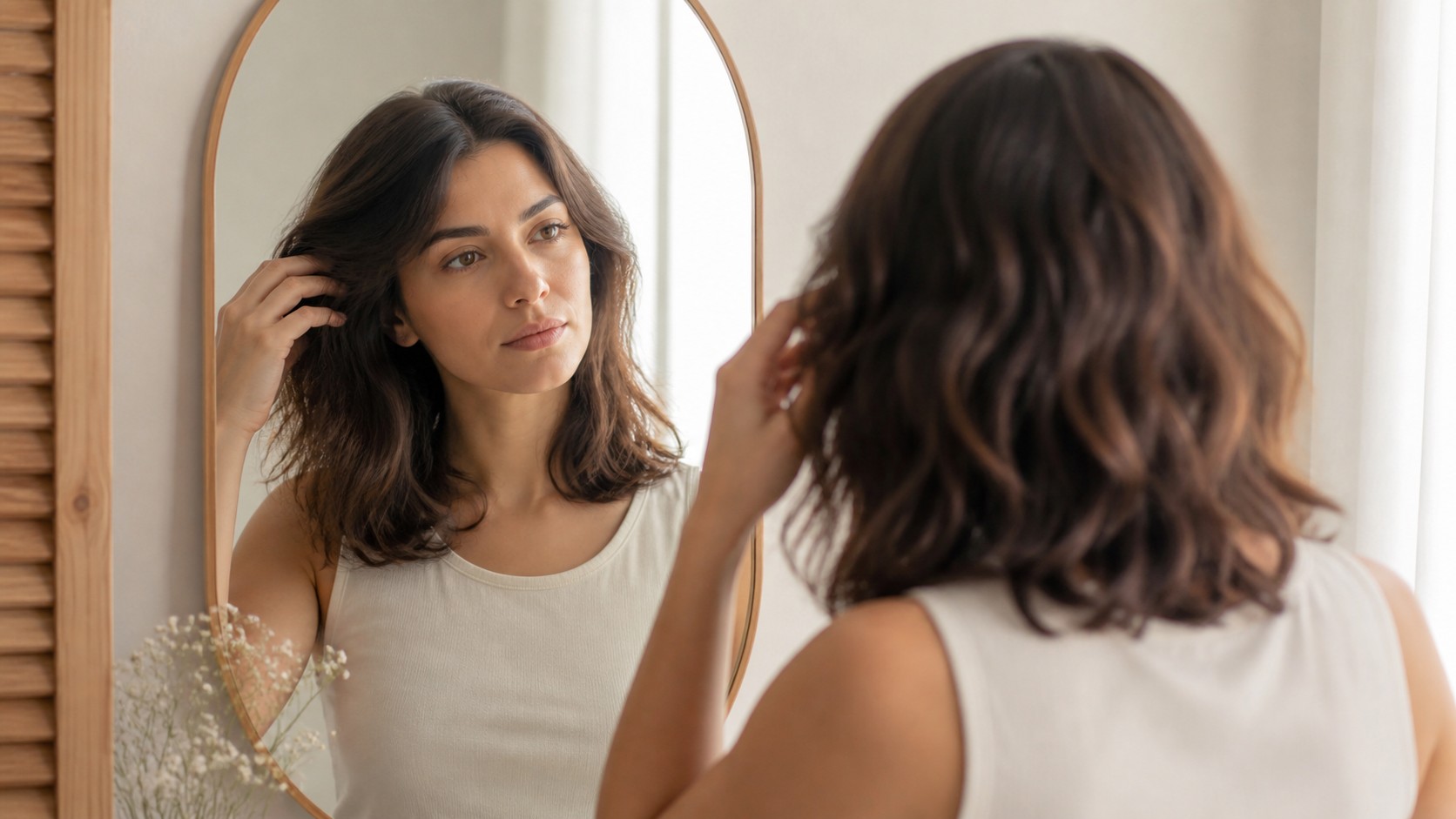
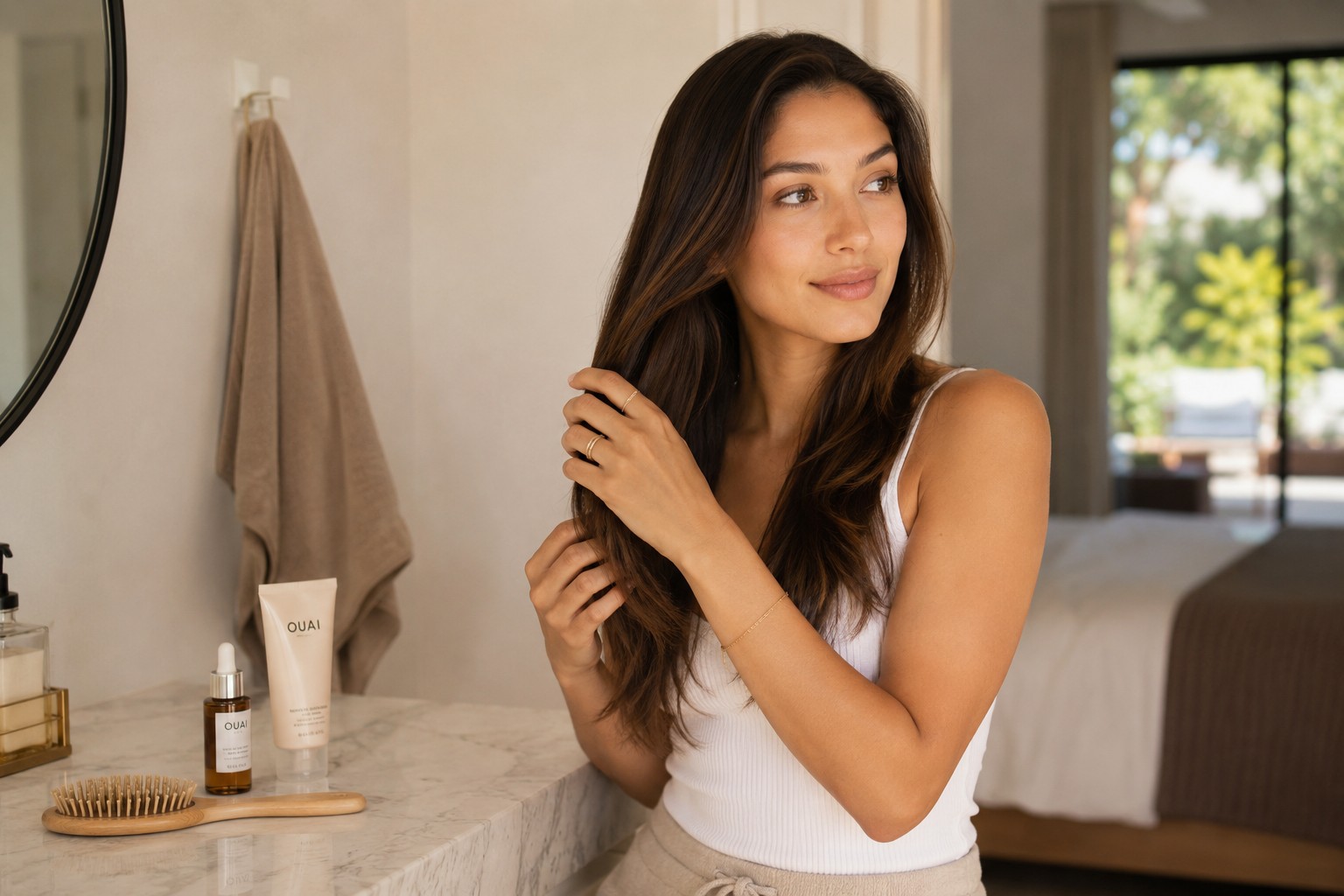
Woman applying hair serum to her scalp with a glass dropper

Do Hair Thickening Serums Really Work? A Science-Led Look at Kérastase-Style Formulas

High-profile hair serums – like the bestselling Kérastase formulas currently trending in UK beauty headlines – promise fuller, thicker-looking hair with just a few drops a day. While sales and discounts come and go, the real question for most of us is simpler and more long-term: can serums of this kind genuinely improve the look and feel of thinning or fragile hair, and how should you use them in a realistic, everyday routine?

Close-up of a woman applying hair serum to her scalp with a dropper

Drawing on current cosmetic science, salon best practice and the way UK stylists approach hair density concerns, this guide explores how thickening serums work, what they can (and cannot) do, and how to build them sensibly into your haircare routine.

What Do Hair Thickening Serums Actually Do?

Not all serums are created equal. Some are primarily cosmetic stylers that make strands look smoother and shinier. Others – including many Kérastase-style density products – sit in a more targeted category, designed to support the appearance of fuller, denser hair over time.

These formulas usually focus on two key areas:

  • Cosmetic thickening of individual strands – ingredients form a flexible film around each hair fibre to make it feel fuller and more robust.
  • Scalp and root support – lightweight serums can help create a healthier-feeling environment around the roots, which many stylists see as fundamental to maintaining the look of density.

Most density-focused serums are leave-in, water-light fluids used on the scalp or through the mid-lengths, depending on the formula. They aren’t a cure for hair loss, and results are usually gradual and subtle rather than dramatic. That said, many UK hairdressers report that consistent use – alongside a gentle haircare routine and sensible styling – can make fine or fragile hair look noticeably better groomed, more resilient and less flyaway.

Key Ingredients Found in Thickening Serums

While each brand formulates differently, many high-performance density serums, including those from premium French houses like Kérastase, share certain ingredient themes. Understanding these can help you read labels more confidently – whether you’re shopping in a salon, a department store, or online.

  • Film-forming polymers
    These are lightweight ingredients that coat the hair shaft, making each strand feel slightly plumper and more substantial. They can also improve combability and reduce static, which is why you often notice hair looks sleeker and more polished after application.
  • Humectants (like glycerin)
    Humectants attract and hold onto moisture, helping hair feel less brittle and dry. When hair is better hydrated, it often appears smoother and marginally fuller.
  • Ceramides and lipid-replenishing agents
    Many premium serums include lipid-like molecules associated with helping maintain the hair’s protective barrier. They’re frequently used in salon-grade care for sensitised, coloured or heat-styled hair, supporting softness and flexibility.
  • Plant extracts and antioxidant complexes
    Modern density serums may feature botanical ingredients and antioxidants aimed at protecting hair and scalp from everyday stressors such as pollution and UV exposure. While their exact impact can vary, they align with a broader, holistic approach to hair health that many UK stylists now favour.
  • Fragrance and sensorial agents
    Part of the appeal of luxury serums lies in the sensorial experience – elegant textures and refined fragrance. While these don’t alter thickness, they can make daily application feel more like a ritual and less like a chore, which matters if you’re trying to build consistency.

When you next pick up a density serum, take a moment to scan the ingredients list. You may not recognise every term, but looking out for humectants, lipids and film-formers is a practical way to gauge what the product is designed to do.

How to Use Thickening Serums for Stronger-Looking Hair

The success of any high-performance serum is as much about technique and routine as it is about the formula itself. In UK salons, stylists typically recommend a simple, repeatable approach that fits into your existing wash days rather than competing with them.

  • Step 1: Start with a gentle cleanse
    Use a shampoo that suits your hair type and avoids overly harsh cleansing if your hair is fine or fragile. Many professionals suggest focusing on the scalp rather than the lengths, allowing the lather to cleanse the mid-lengths as it rinses away.
  • Step 2: Towel-dry to damp
    Thickening serums usually perform best on clean, slightly damp hair. Blot gently with a towel – don’t rub – to avoid roughening the cuticle and causing extra breakage.
  • Step 3: Apply at the roots or scalp
    Using the dropper or nozzle, apply small amounts of serum to key areas: the crown, the frontal hairline and any visibly sparse zones. A little goes a long way; you’re aiming to lightly coat, not soak, the scalp.
  • Step 4: Massage thoughtfully
    Use your fingertips to distribute the serum and give yourself a gentle scalp massage for one to two minutes. Many hair professionals encourage this ritual, as it supports relaxation and can help ensure more even product coverage.
  • Step 5: Comb through and style
    If the serum is also intended for the lengths, comb any remaining product through with a wide-tooth comb. Then style as usual, keeping heat tools on the lower side of the temperature scale where possible.

For most density serums, consistency is more important than quantity. Using a small amount daily, or as directed, is generally more effective than applying a large amount sporadically. A realistic step you can take this week is to pick two or three evenings and commit to applying your serum and scalp massage at the same time – for example, while your skincare sinks in.

Setting Realistic Expectations: What Results Can You Expect?

Headlines and product pages often focus on dramatic transformations, but everyday experience tends to be subtler. Many users of premium serums – including those who rave about Kérastase-style formulas – report gradual improvements in how their hair looks and behaves rather than overnight miracles.

Common benefits people notice include:

  • Hair feels softer and less prone to snapping when brushed or styled.
  • Fine hair seems to have slightly more body at the roots, especially when combined with a volumising blow-dry.
  • Ends look more polished and less frizzy, so the overall silhouette appears fuller.
  • Scalp feels more comfortable and less tight or dry when serums are used regularly.

Dermatologists often point out that cosmetic haircare can’t reverse genetic hair loss or underlying medical conditions, and it’s important not to see any serum as a medical treatment. If you’re concerned about sudden shedding, patchy thinning or scalp discomfort, many experts advise speaking first with a GP or a trichologist before relying on cosmetic products alone.

From a practical standpoint, it can be helpful to take a few photos of your hair in natural light before starting a new serum, then again at six and twelve weeks. This gives you a more objective sense of whether your routine is delivering the cosmetic benefits you’re hoping for.

Explore More: Discover related reads from Hairporium — NewsGuidesDIYsExpert Articles.

Learn More: Explore detailed haircare routines and styling tips at Hairporium Guides.

Key Takeaways

  • Hair thickening serums, including high-end Kérastase-style formulas, work mainly by improving the cosmetic look and feel of hair rather than altering growth at a medical level.
  • Film-forming agents, humectants and lipid-replenishing ingredients help strands feel plumper, smoother and more resilient, which can make fine or fragile hair appear fuller.
  • For best results, apply serum to a clean, damp scalp, massage gently, and keep your heat styling on the lower side – consistency over weeks and months is crucial.
  • Many users notice softer, more manageable hair and slightly better root lift rather than dramatic regrowth; it’s important to keep expectations realistic.
  • If you’re worried about sudden hair loss or scalp changes, seek advice from a GP or trichologist; use hair serums as supportive cosmetics, not substitutes for medical care.

Frequently Asked Questions

How long does it take to see results from a thickening serum?
Most people who stick to a daily or near-daily routine report that hair feels smoother and less frizzy within one to two weeks. Any visible changes in body or fullness usually take longer – often six to twelve weeks of consistent use. It’s helpful to judge results over months rather than days.

Can serums like these stop hair loss?
No. Density-focused serums are cosmetic products, not medical treatments. Many can help hair look and feel healthier and slightly fuller, but they don’t cure or reverse underlying causes of hair loss. If you notice persistent shedding, widening partings or patchy thinning, professionals generally recommend speaking to a healthcare provider.

Will a thickening serum make my hair greasy?
Most modern formulas are designed to be lightweight and non-greasy, especially when applied at the scalp in small amounts. If you find your roots becoming oily, try using less product, concentrating it on particularly fine or sparse areas, and avoid layering too many heavy styling products afterwards.

Can I use a thickening serum with other scalp products?
In many cases, yes – but layering should be thoughtful. As a general rule, apply the lightest, most targeted treatment first (often the serum) and allow it to settle before adding anything else. If you’re using a medicated scalp product prescribed by a doctor, follow their instructions about what can safely be combined.

Is there a best time of day to apply a density serum?
Most people find it easiest to apply after an evening wash, when the scalp is clean and hair is towel-dried. That said, the best time is whatever you can stick to consistently. Building the habit – for example, pairing application with your nightly skincare – is more important than the exact hour.

Do I still need conditioner if I’m using a hair serum?
Yes, in most cases. A serum typically targets the scalp and the outer surface of the hair fibre, while conditioner is formulated to detangle, soften and protect the lengths and ends. Using both, in appropriate amounts, is standard practice in UK salons for fine and fragile hair.

Originally Published By: Mirror.co.uk

Back to blog