

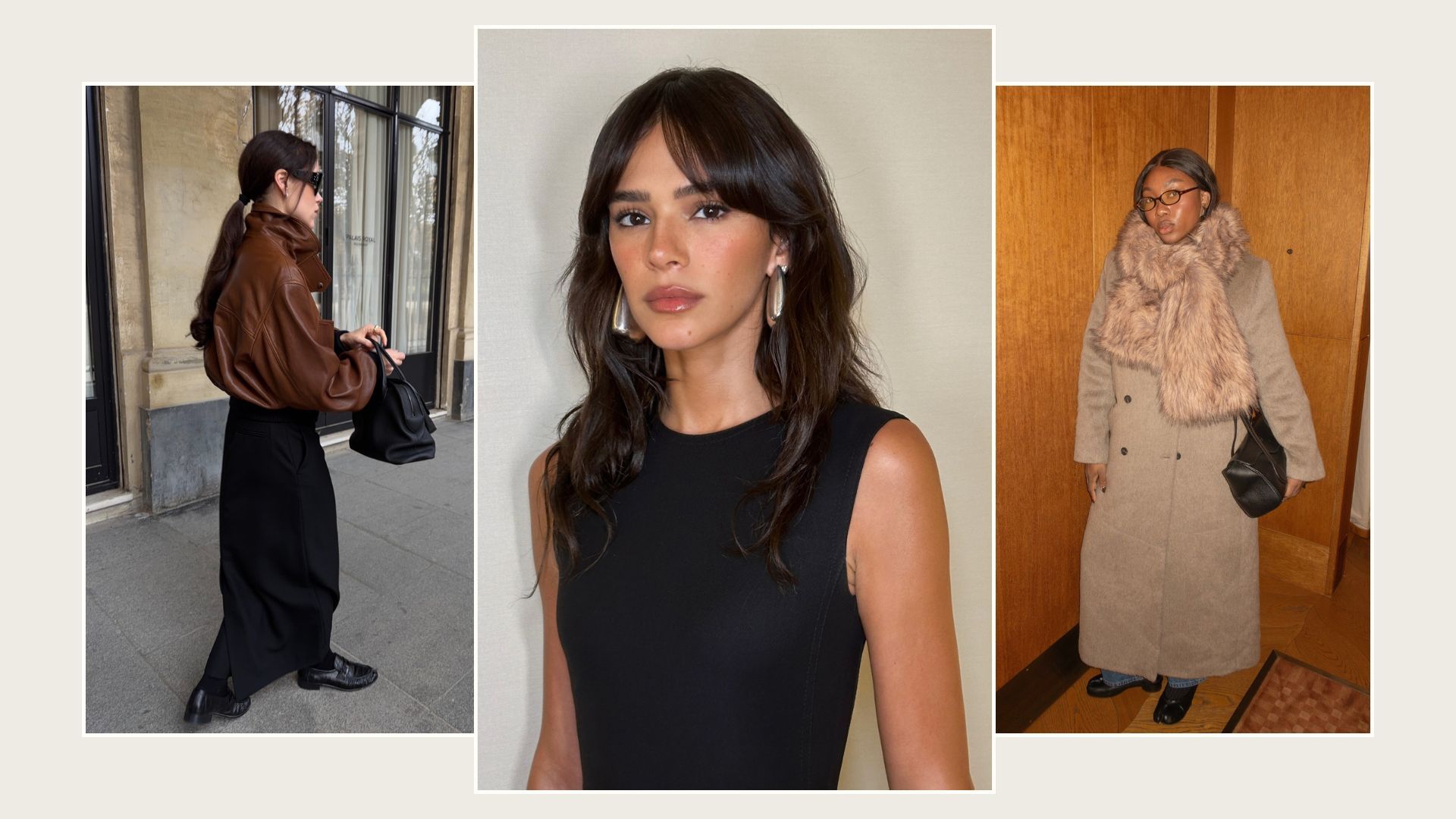
Move over predictable winter brunette shades—January’s standout colour story is frosted chestnut. Neither flat espresso nor high-maintenance “chocolate ribbon” warmth, this brunette trend sits in a more modern middle ground: a chestnut base with subtle, cooler-toned lightness that reads softly reflective (rather than obviously highlighted). According to recent trend reporting, frosted chestnut is one to watch for 2026—particularly for anyone who wants their brunette to look expensive, dimensional and quietly fresh without a dramatic overhaul.
What makes it feel so right for the UK right now is its practicality: it suits grey skies and winter wardrobes, but it also transitions neatly into early spring—meaning fewer urgent salon appointments and less colour fatigue.
What “Frosted Chestnut” Looks Like in Real Life
Think of frosted chestnut as a brunette with built-in light. The overall impression is polished and natural-looking, with a chestnut foundation (that soft brown with gentle red-gold undertones) paired with fine, cool-leaning highlights or a delicate veil of brightness through the mid-lengths and ends.
Crucially, “frosted” doesn’t mean the stark, stripy highlights many of us remember from the early 2000s. Modern frosted tones are typically achieved through micro-highlights, glosses, and nuanced toning that create a smooth, blended finish—more “lit from within” than “freshly foiled”. Many colourists will keep the root area deeper for a lived-in effect, then introduce tiny, strategically placed lighter pieces to add movement and make hair look healthier and shinier.
In salon language, you might hear it described as:
- Chestnut base with fine beige-ash ribbons
- Softly neutral highlights (not too golden, not too grey)
- Glazed brunette with cool-reflect shine
- Low-contrast balayage that brightens without “going blonde”
Why It’s Set to Dominate January (and Beyond)
Hair trends rarely take off on aesthetics alone—timing and maintenance matter. Frosted chestnut taps into a few big, ongoing shifts in colour culture:
- Subtle dimension over stark contrast: Many clients are moving away from heavy highlight patterns and toward softer, more natural transitions.
- Gloss-first thinking: Shine is the new statement finish. A well-toned brunette with reflective dimension often looks “new” even when it’s understated.
- Wearability in real UK weather: Light levels are low in January. Colours that catch the light and add gentle brightness can make hair look more vibrant in everyday indoor lighting.
- Longer gaps between appointments: A deeper root and blended highlight placement tends to grow out more gracefully than brighter, higher-contrast techniques.
For readers who’ve previously tried very cool brunettes and found them a touch severe, frosted chestnut’s chestnut base can feel more forgiving—still modern, but not flat or harsh. And for those wary of warmth, the “frosted” element (done well) helps steer the finish away from brassy territory.
How to Ask Your Colourist for Frosted Chestnut
If you walk into a salon and ask for a trend name alone, you may not get what you pictured—especially with shades that hinge on subtle undertones. Instead, focus on a clear brief: the base colour, the depth, the tonal direction, and how visible you want the brightness to be.
Many stylists recommend bringing 2–3 reference images and being specific about what you like in each. For example: “I like the depth at the root here, the softer brightness around the face here, and the overall cool-neutral shine in this one.”
- Base: “A medium chestnut brunette—natural-looking, not too dark.”
- Dimension: “Very fine, blended highlights—nothing stripey.”
- Tone: “Neutral to cool; I don’t want obvious gold.”
- Placement: “Soft brightness through mid-lengths and ends; gentle face-framing if it suits me.”
- Finish: “A gloss/toner for high shine and a smooth, expensive result.”
Real-world next step: Before your appointment, check your current colour in daylight and indoor lighting, then tell your colourist where you see unwanted warmth (or dullness). That one detail often determines the best toner choice and how frosted the final result looks.
Keeping Frosted Chestnut Looking Fresh: Shine, Tone and Heat Habits
Frosted chestnut’s appeal lies in its sheen and its balance—so aftercare is less about dramatic upkeep and more about preserving tone and shine. In general, colour-treated hair benefits from gentler cleansing, consistent conditioning, and smart heat styling habits.
- Prioritise a gloss-like finish at home: A weekly nourishing mask can help maintain the reflective look that makes this colour pop.
- Be mindful with heat: Overheating hair can make brunettes look dull more quickly and can encourage unwanted warmth to show through.
- Use toning thoughtfully: If your hair pulls warm, many colourists suggest introducing a toning product occasionally—overuse can make hair look flat or overly ashy.
- Protect from winter stressors: Indoor heating and cold air can contribute to dryness; hydration and gentle detangling are your best friends.
If you’re unsure about toning, it’s worth asking your stylist what undertone they’re building for you (neutral, cool-neutral, or slightly warm) and how they’d prefer you maintain it between appointments.
Key Takeaways
- Frosted chestnut is a chestnut brunette base with softly blended, cooler-leaning brightness for modern dimension.
- It’s designed to look glossy and expensive rather than heavily highlighted—think “lit from within”.
- The trend suits January because it adds light in low winter lighting and tends to grow out gracefully.
- To get the look, ask for a chestnut base + micro-highlights + a gloss/toner in a neutral-to-cool direction.
- Maintenance is mostly about shine, gentle heat habits, and tonal balance—avoid over-toning or overly hot tools.
Frequently Asked Questions
Is frosted chestnut the same as chocolate brunette?
Not quite. Chocolate brunette is usually richer and warmer, often reading deeper and more uniform. Frosted chestnut keeps a chestnut base but adds cooler-toned, subtle brightness for a more dimensional finish.
Will frosted chestnut work on naturally dark hair?
Often, yes—but the “frosted” effect may require gentle lightening to create visible dimension. Your colourist can advise on the safest approach for your hair’s condition and whether a lower-contrast version is best.
Will it look brassy over time?
Any lightened hair can reveal warmth as it fades. Many stylists manage this with thoughtful toning and shine-boosting treatments, plus at-home routines that protect colour and minimise dryness.
How do I know if I should go neutral or cool?
A good rule is to consider your skin tone and your wardrobe preferences, but also what your hair tends to do after colouring. If you always see orange/gold warmth appear quickly, a cool-neutral plan may suit you better than overt warmth.
How often will I need salon upkeep?
It depends on contrast and placement. A deeper root with blended micro-highlights can be relatively low-maintenance, but most people still benefit from periodic glossing/toning to keep the colour looking fresh and reflective.
Explore More: Discover related reads from Hairporium — News • Guides • DIYs • Expert Articles.
Stay Updated: Read more UK hair industry news and innovations on Hairporium News.


More in Hair news
A Premier League incident involving hair pulling has sparked debate on discipline and safety—plus...
Amanda Seyfried’s Golden Eve hair nods to Hailey Bieber’s 2022 Grammys vibe: a deliberately undon...
A half-term Rapunzel show brings hair culture into the spotlight—plus practical, low-tension styl...
Tom Smith has opened a new luxury salon in Bloomsbury. Here’s what the launch signals for UK prem...
Vogue UK rounds up Jessie Buckley’s most unrecognisable hair moments. Here’s what makes a transfo...
A reported case alleging hidden baldness before marriage highlights the real stigma around hair l...
Zoe Saldaña’s move from long curls to a short ombré cut spotlights a bigger shift towards lived-i...
Nicole Kidman’s Sydney Airport curls point to a 2026 return to texture. Here’s what the look sign...
Camila Mendes has revealed her second hair transformation in a month, moving on from red and lean...
A Newbury hair studio has been seriously damaged in an early-morning fire, raising urgent questio...
View all hair news