

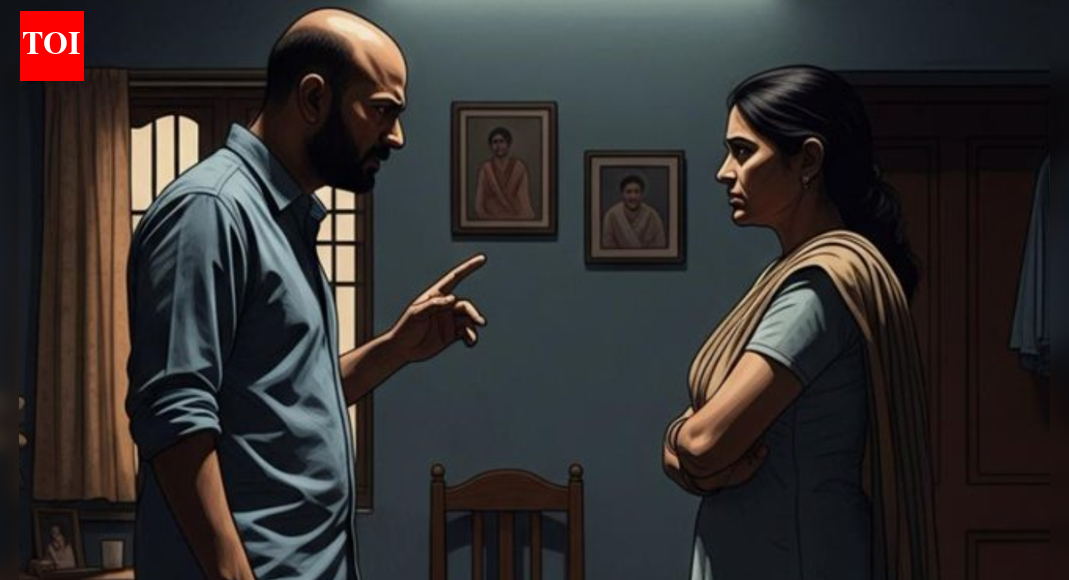
A recently reported case from Noida, India—where a woman alleges her husband misrepresented his hair loss before marriage—has sparked wider conversation about how closely hair is tied to identity, trust and social expectations. While the legal specifics will be for the authorities and courts to determine, the story lands on a very familiar pressure point: hair, and especially male-pattern hair loss, can still carry outsized stigma.
For readers in the UK, this isn’t just a viral headline. It’s a reminder of how hair conversations inside relationships can become loaded—particularly when honesty, self-image and cultural expectations collide. The practical takeaway is simple but powerful: treating hair changes as a normal part of life (rather than a “secret”) makes for healthier communication, and often better choices about grooming and styling too.
What’s been reported—and why it resonated beyond Noida
According to The Times of India, the woman alleges she was misled on “multiple counts”, including a claim that her husband promised “thick hair” but was bald. The report says an FIR was filed. Much of the attention has centred on the hair-loss element—because it’s instantly relatable, and because appearance-based expectations are frequently woven into the way marriages and partnerships are negotiated.
It also resonates because hair is uniquely visible: unlike many other appearance concerns, it’s on show in daily life, in photos, at social events and—importantly—in the early stages of dating when people may be trying to present a particular version of themselves. Concealers, fibres, strategic haircuts, hats and hair systems can be confidence-boosting tools, but they can also become part of “presentation management” when someone is anxious about disclosure.
Hair loss, masculinity and the UK context: why ‘hiding it’ happens
In the UK, many men experience some degree of androgenetic alopecia (often called male-pattern hair loss), and it can begin earlier than people expect. Yet the emotional impact is often underplayed. Many stylists say they see clients who are less upset by the hair change itself than by what it symbolises: ageing, reduced attractiveness, or fear of judgement.
Social media hasn’t helped. On one hand, there’s more openness than ever—buzz cuts, shaved heads and scalp-positive content are mainstream. On the other, hyper-edited “before/after” content can reinforce unrealistic expectations. Add in the quiet shame some people still feel about hair systems or concealers, and it’s not surprising that disclosure can become fraught.
It’s worth stating plainly: taking steps to improve how you feel about your hair—whether that’s a shorter cut, a hair system, or simply learning how to style thinning areas—isn’t inherently deceptive. The problem begins when pressure or fear leads to avoidant communication, especially once a relationship becomes serious.
Honesty without humiliation: how couples can talk about hair changes
Hair is intimate: partners touch it, notice changes, see shed hairs on pillows and in the shower. When a topic has been avoided for a long time, bringing it up can feel like “confessing” rather than simply sharing. A more realistic, kinder approach is to treat hair changes as normal body changes—like weight fluctuations or skin concerns—that can be managed and supported through mutual respect.
If you’re navigating thinning, a receding hairline or patchy areas, realistic communication usually starts with language that’s factual and non-dramatic. Likewise, if you’re the partner, curiosity and empathy go further than critique. The goal isn’t to police a person’s appearance—it’s to understand how they feel and what support looks like.
- Pick a neutral moment (not during an argument, or right before an event/photo-heavy day).
- Use observable language: “I’ve noticed your hairline has changed—how are you feeling about it?”
- Separate aesthetics from honesty: grooming choices are fine; secrecy is what creates distrust.
- Discuss preferences without ultimatums: attraction is real, but so is kindness.
- Agree on what’s private vs shared: some people are comfortable being open; others prefer discretion.
Here’s the real-world practicality: if this topic has been tense in your relationship, book a haircut or consultation together (even virtually) and treat it as a joint reset. A good barber or stylist can suggest options that feel empowering rather than punitive.
What a stylist would suggest: appearance management that isn’t “misleading”
In salon culture, “working with what you’ve got” is standard. Thinning hair can often look fuller with the right cut, styling direction and products—without pretending anything. Many UK barbers recommend textured crops, shorter back and sides, and controlled length on top to reduce the contrast between dense and sparse areas. For some, a clean-shaven head is the most confidence-boosting option, especially when thinning is advanced.
If someone chooses to use cosmetic camouflage (like fibres) or a hair system, the healthiest framing is: it’s a styling choice, similar to make-up or tanning products—valid, but ideally disclosed to a partner once the relationship is serious enough that secrets feel heavy. Disclosure doesn’t need to be dramatic; it can be as simple as, “Just so you know, I use fibres sometimes—it helps me feel more confident.”
When scalp irritation, flaking or sudden shedding are part of the picture, many stylists advise checking in with a pharmacist, GP or dermatologist—particularly if there’s pain, redness or rapid change. It’s not about alarm; it’s about ruling out treatable causes and keeping hair and scalp care sensible.
Key Takeaways
- Hair loss is common, but stigma can push people towards secrecy—especially in high-pressure relationship contexts.
- Grooming solutions (haircuts, concealers, systems) are not inherently deceptive; trust issues usually come from avoidance and fear.
- Couples do better when hair changes are discussed like any other body change: calmly, privately and without shaming.
- A skilled barber/stylist can make thinning hair look more balanced with cut, texture and styling—often without drastic measures.
- Next step: if hair changes are affecting confidence or causing conflict, set a time to talk and consider a professional consultation for options.
Frequently Asked Questions
Is it normal to feel embarrassed about hair loss?
Yes. Many people tie hair to youth, attractiveness and identity. Talking to a trusted stylist can help you find practical options that feel like “you”, which can ease embarrassment.
Are hair fibres or concealers considered dishonest in a relationship?
They’re common cosmetic tools, much like make-up. They can become a trust issue if someone feels they must hide them long-term. In most relationships, gentle disclosure is healthier than secrecy.
What haircut makes thinning hair look thicker?
Many barbers recommend shorter styles with texture (such as a textured crop) to reduce contrast and create the look of density. The best cut depends on your pattern of thinning and hair type.
When should someone seek professional advice about hair shedding?
If shedding is sudden, patchy, painful, or accompanied by scalp irritation, many clinicians recommend checking in with a pharmacist, GP or dermatologist to rule out underlying causes.
How can couples discuss appearance changes without hurting feelings?
Choose a calm moment, focus on feelings rather than blame, and ask what support looks like. Avoid jokes or public comments—hair is a sensitive topic for many people.
Explore More: Discover related reads from Hairporium — News • Guides • DIYs • Expert Articles.
Stay Updated: Read more UK hair industry news and innovations on Hairporium News.


More in Hair news
A Premier League incident involving hair pulling has sparked debate on discipline and safety—plus...
Amanda Seyfried’s Golden Eve hair nods to Hailey Bieber’s 2022 Grammys vibe: a deliberately undon...
A half-term Rapunzel show brings hair culture into the spotlight—plus practical, low-tension styl...
Tom Smith has opened a new luxury salon in Bloomsbury. Here’s what the launch signals for UK prem...
Vogue UK rounds up Jessie Buckley’s most unrecognisable hair moments. Here’s what makes a transfo...
Zoe Saldaña’s move from long curls to a short ombré cut spotlights a bigger shift towards lived-i...
Nicole Kidman’s Sydney Airport curls point to a 2026 return to texture. Here’s what the look sign...
Frosted chestnut is emerging as January’s leading brunette trend: a chestnut base with softly ble...
Camila Mendes has revealed her second hair transformation in a month, moving on from red and lean...
A Newbury hair studio has been seriously damaged in an early-morning fire, raising urgent questio...
View all hair news