

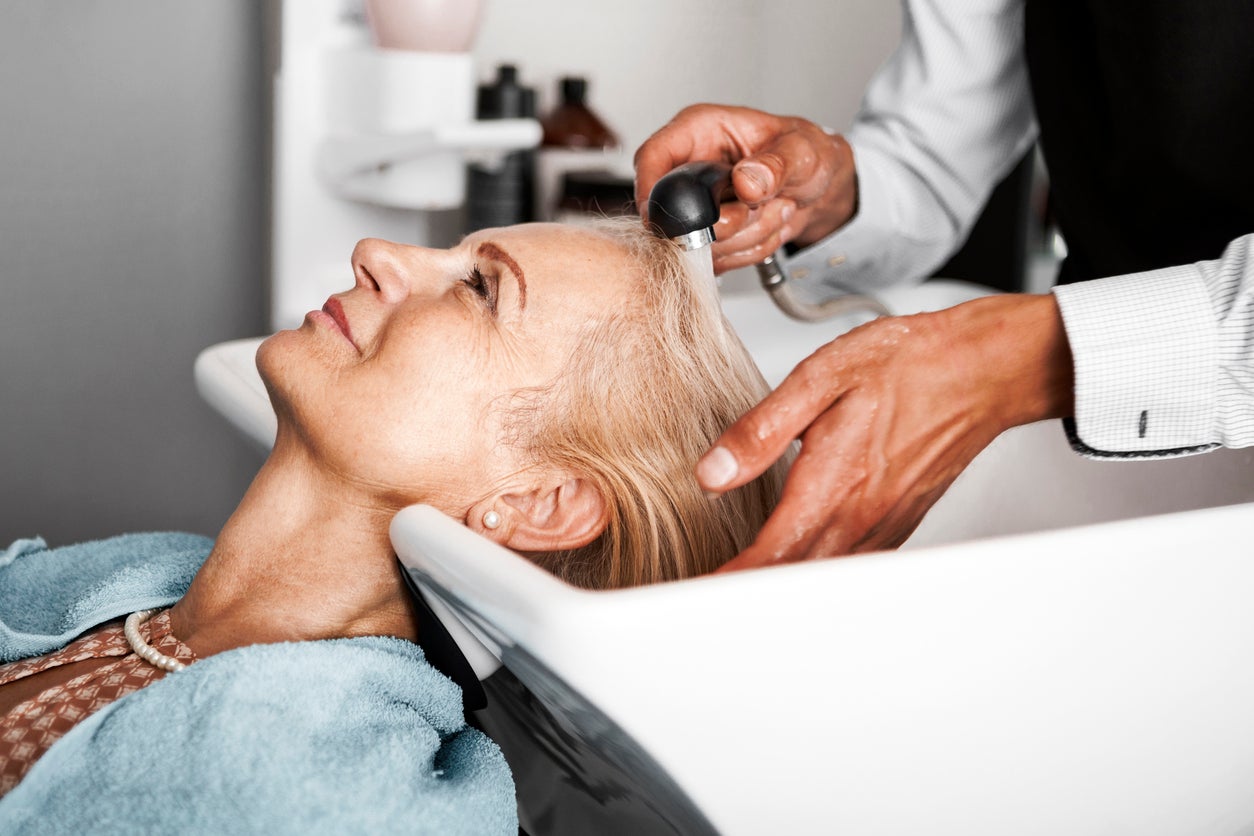
Few beauty questions spark as much debate as hair-washing frequency. Some people swear by daily shampooing; others proudly stretch washes for a week (or longer). The truth, as dermatologists and seasoned stylists regularly point out, is more nuanced: how often you should wash depends on your scalp’s oil production, your hair texture, your lifestyle, and how you style.
The Independent’s recent piece, How often should you wash your hair? Dermatologists weigh in, revisits a fundamental point: shampooing’s primary job is to remove sebum (the natural oil produced by your scalp), along with sweat, pollution and product build-up that clings to the scalp and hair shaft. In practice, the “right” schedule is the one that keeps your scalp comfortable and your hair looking and feeling healthy—without over-stripping or letting build-up take over.
What shampoo actually does (and why sebum isn’t the enemy)
It’s easy to think of oil as something to eliminate, but sebum isn’t “dirty”—it’s protective. It lubricates the scalp and coats the hair shaft, helping reduce friction and contributing to shine. Shampoo, by design, emulsifies and lifts oils so they can be rinsed away. That’s helpful when hair feels greasy, flat or itchy—but less helpful when you’re repeatedly washing a scalp that isn’t producing much oil to begin with.
Many stylists in UK salons describe balance as the goal: clean roots, comfortable scalp, and lengths that don’t feel rough or brittle. Over-washing (especially with harsh formulas) can leave hair feeling squeaky, increase frizz, and make coloured hair fade faster. Under-washing can allow oil, sweat and styling residue to accumulate—sometimes leading to scalp odour, flaking or an itchy sensation for some people.
- Sebum helps protect hair, but too much can weigh it down and trap dirt.
- Shampoo cleans the scalp first (where oil glands are), and the lengths second.
- Build-up matters: heavy styling products, dry shampoo and city pollution can change how often you need to cleanse.
There isn’t one ideal wash schedule—there are patterns that work
Dermatologists commonly emphasise that “how often” hinges on a few variables: your scalp type (oily, balanced, dry), your hair texture (fine, medium, coarse; straight to tightly coiled), and your daily environment (exercise, commute, helmet use, smoky kitchens, hard water). Put simply: the more oil, sweat and product you have at the root, the more frequently cleansing tends to be useful.
Here are realistic, UK-salon-friendly starting points that you can adjust:
- Oily scalp or very fine hair: often every 1–2 days. Fine hair shows oil sooner because sebum spreads quickly along the strand.
- Balanced scalp, medium hair density: often every 2–4 days, depending on styling and workout routine.
- Dry scalp and/or coarse, textured hair (waves, curls, coils): often every 4–7 days, with co-washing or gentle cleansing in between if needed.
- Protective styles, braids, locs, or wigs: cleansing may be less frequent, but scalp care still matters—many people focus on targeted scalp cleansing and careful drying.
Real-world practicality: if you’re unsure where you sit, try a two-week “reset” experiment—pick a sensible baseline (say, every 2–3 days), then adjust by one day up or down based on how your scalp feels on day two and day three (comfort, itch, odour, visible oil, and how your roots lift).
How to know you’re washing too often—or not often enough
Rather than sticking to a rigid calendar (Monday/Thursday, for example), it can be more reliable to look for signs from your scalp and hair. Dermatologists often suggest paying attention to symptoms, not trends—especially if you’ve changed products, moved house (hard water can be a factor), or shifted your gym routine.
Signs you may be washing too often can include:
- Hair feels rough, straw-like or overly “squeaky” after cleansing
- Scalp feels tight or mildly uncomfortable after washing
- Increased frizz and reduced curl definition
- Colour-treated hair fading more quickly than expected
Signs you may not be washing often enough can include:
- Roots look limp, waxy or stringy even after brushing
- Scalp feels itchy or you notice persistent flaking
- Product build-up (especially from dry shampoo, hairspray, creams and oils)
- Scalp odour after workouts or wearing hats/helmets
If you’re experiencing persistent irritation, heavy scaling, or significant shedding, it’s sensible to seek professional advice—many dermatologists recommend checking for an underlying scalp condition rather than simply changing wash frequency.
Best-practice washing technique (it’s not just “how often”)
In professional settings, stylists often see that technique makes as much difference as frequency. A gentle, thorough cleanse that targets the scalp can allow you to wash less often without feeling greasy—while also protecting the lengths from unnecessary stripping.
- Focus shampoo on the scalp (particularly the hairline, crown and nape). Let the lather run through the lengths when you rinse.
- Use warm—not hot—water to avoid drying out scalp and hair fibre.
- Double cleanse when needed: first wash lifts oil/product; second wash properly cleans. This is especially useful after heavy styling products or dry shampoo.
- Condition mid-lengths to ends, not the roots, unless your hair type genuinely benefits from it.
- Rinse thoroughly; leftover product can mimic dandruff or cause dullness.
Practical next step: if your hair swings between greasy roots and dry ends, try keeping your wash frequency the same but changing where you apply products—shampoo more precisely at the scalp and keep conditioner off the first few inches of root area.
Key Takeaways
- Shampoo’s main role is removing sebum and build-up from the scalp and hair—sebum is protective, but excess can weigh hair down.
- Wash frequency should match your scalp type, hair texture, product use and activity level—there is no universal “best” schedule.
- Fine hair and oilier scalps often need more frequent washing; textured, drier hair types may do better with less frequent cleansing.
- Technique matters: cleanse the scalp thoroughly, protect the lengths, and rinse well to avoid residue and dullness.
- If you have persistent flaking, irritation or unusual shedding, consider professional guidance rather than only changing your wash routine.
Frequently Asked Questions
Is it bad to wash your hair every day?
Not automatically. Daily washing can suit oily scalps, very fine hair, or people who exercise frequently. The key is using a gentle shampoo and focusing on the scalp, while conditioning the lengths appropriately.
Can you “train” your hair to be less greasy?
You can sometimes reduce the appearance of grease by adjusting products, improving cleansing technique, and avoiding heavy root-area conditioners. However, sebum production is largely driven by skin physiology, so “training” doesn’t work the same way for everyone.
How often should I wash curly or coily hair?
Many people with curls or coils find they can wash less frequently because the natural oils don’t travel down the hair shaft as easily. Gentle cleansing and conditioning routines are often prioritised, with wash frequency tailored to scalp comfort and build-up.
Does dry shampoo replace washing?
Dry shampoo can absorb oil and refresh roots temporarily, but it doesn’t remove sweat and build-up in the same way as washing. If you use it often, a thorough cleanse (sometimes a double cleanse) becomes more important.
What if my scalp feels itchy between washes?
Occasional itch can be linked to sweat, build-up, or product sensitivity. You might try washing a bit more frequently, clarifying occasionally (as needed), or switching to a gentler formula. If itch is persistent or severe, it’s best to seek professional advice.
Explore More: Discover related reads from Hairporium — News • Guides • DIYs • Expert Articles.
Learn More: Explore detailed haircare routines and styling tips at Hairporium Guides.


More in Hair guides
A discounted “Dyson dupe” hair dryer is making headlines — here’s how to judge lookalike dryers p...
Sara Cox’s “86p-a-day” hair supplement recommendation has renewed interest in budget beauty vitam...
Low-noise pet trimmers are trending, but specs, technique and hygiene matter more than buzzwords....
Simone Biles’ sleek new game-day hair shows how shine, hold and smart prep create a polished look...
A realistic guide to what “thinning hair” sets can do—plus how to use multi-step treatments for f...
Dermatologist-informed advice on wash frequency, with practical guidance by scalp type, hair text...
Leave-in “repair” masks are having a moment for delivering softer, shinier hair fast. Here’s what...
Sulphate-free shampoo can feel gentler on dry, textured, or colour-treated hair — but it’s not on...
Paris is embracing “fuzzy and free” hair for spring—soft texture, gentle frizz and lived-in movem...
A games headline about “whipping” hair sparks a timely look at movement-led beauty: how to get sh...
View all hair guides