

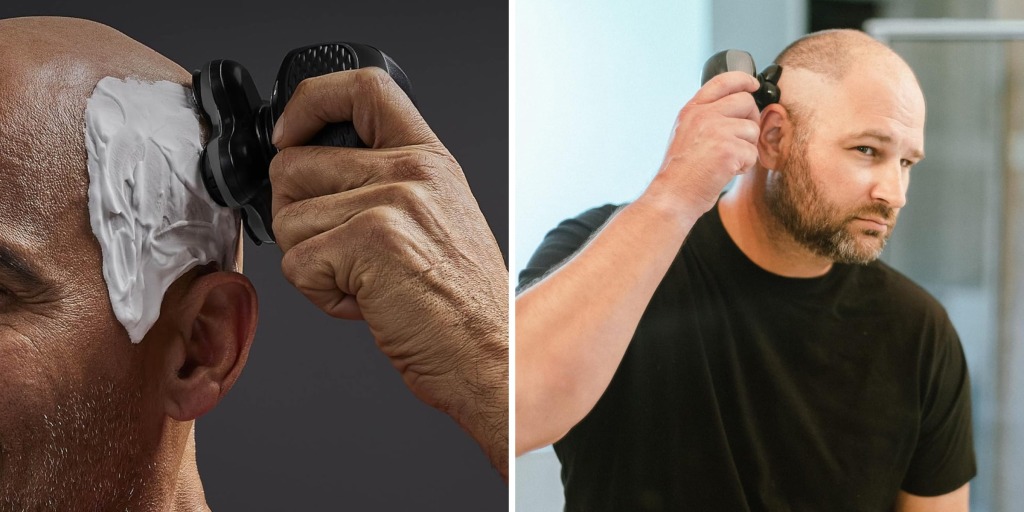
Whether you’re maintaining a clean, close shave or keeping a neat buzz between barber visits, head shavers have moved from niche gadget to everyday grooming essential. A good tool should be quick, comfortable on the scalp, easy to clean, and reliable enough for regular use—especially in UK winter, when dry air and friction can make the skin feel more reactive. While the original feature rounds up expert recommendations, the bigger takeaway for most readers is simple: choosing the right shaver is as much about your hair growth pattern and scalp tolerance as it is about the device itself.
Below, we break down what hair professionals commonly look for in a head shaver, how to prep properly before you shave, and how to keep your equipment hygienic—without veering into medical territory. If you’re planning to try it at home this week, you’ll find a practical, step-by-step routine you can follow straight away.
What makes a head shaver “good”? Key features experts prioritise
In salon and barbering contexts, speed matters—but so does skin comfort. Many stylists recommend focusing on the fundamentals rather than chasing the most hyped model. Here’s what typically makes the biggest difference:
- Head type (rotary vs foil): Rotary heads (often multi-disc) can be forgiving over curves like the crown and occipital bone. Foil shavers can feel precise and are often favoured for very short finishes, but may require more careful technique around bumps and whorls.
- Wet/dry use: If your scalp tends to feel tight after shaving, wet shaving with a cushioning gel or shave cream can reduce drag. A wet/dry shaver gives you options.
- Battery and power consistency: A device that loses power mid-pass can snag or push hair rather than cut cleanly. Look for steady performance and clear battery indicators.
- Grip and ergonomics: A head shave is all angles—behind the ears, the nape, the crown. A secure grip reduces the urge to press too hard (a common cause of irritation).
- Cleaning design: Easy-to-pop-off heads and rinse-through channels matter. Hygiene isn’t glamorous, but it’s crucial for keeping blades cutting smoothly and reducing the chance of post-shave discomfort.
- Replacement parts availability: A shaver is only as good as the blades. In the UK, check how easy it is to get replacement heads locally and how often the manufacturer suggests changing them.
Real-world tip: If you’re new to shaving your head, choose comfort and ease of handling over “closest possible” results on day one. Technique improves quickly, but a harsh first experience can put you off entirely.
Prep matters: how to get your scalp ready before you shave
The original piece highlights prep—and hair experts agree it’s often where at-home shaves go wrong. Prepping doesn’t need to be complicated, but it should be consistent. The aim is to soften hair, reduce friction, and ensure the tool glides rather than drags.
Try this simple pre-shave checklist (adapt it for dry or wet use):
- Start clean: Wash your scalp or rinse with warm water to remove sweat, styling product, and everyday grime that can clog blades.
- Soften the hair: A warm shower is ideal. Slightly softened stubble cuts more easily, encouraging fewer repeat passes.
- Check length first: If hair is more than a few millimetres, many pros suggest clipping it down with guards before going in with a head shaver. This reduces tugging and keeps the shaver from overloading.
- Use slip if you’re shaving wet: A transparent shave gel can help you see coverage and avoid going over the same area too many times.
- Map your growth pattern: The crown and nape often grow in different directions. Knowing “with the grain” versus “against the grain” on your own head reduces irritation.
Practical next step: Before your next shave, stand in front of a mirror and run your hand over your scalp to feel growth direction. This 30-second “map” can make your passes more efficient.
Technique: getting an even buzz (and avoiding the common mistakes)
Most at-home issues come down to pressure and pacing. It’s tempting to press hard for speed, but that can increase friction. Many barbers recommend using a light touch and letting the shaver’s head do the work.
- Use light, steady pressure: Think “guided glide” rather than scraping. If hair isn’t cutting, it’s usually angle, direction, or blade sharpness—not lack of force.
- Work in sections: Top, sides, back, then detail areas (behind ears and nape). Systematic passes help you avoid patchiness.
- Keep the scalp taut where needed: Gently tilting your head or using your free hand can smooth folds around the nape and behind the ears.
- Don’t chase perfection in one session: If you’re prone to sensitivity, stop when it’s close enough, rinse, and reassess in good lighting. Overworking the same spot is a classic route to irritation.
- Use better lighting than you think you need: Daylight or a bright bathroom light reduces missed patches—especially around the crown.
For a clean finish, many stylists suggest finishing with a quick check using your fingertips—your hands often detect unevenness more reliably than a mirror.
Aftercare and upkeep: keeping the finish smooth and the kit hygienic
Shaving—especially close shaving—can leave the scalp feeling exposed to the elements. Post-shave comfort is often about reducing dryness and supporting the skin’s barrier. Dermatologists and professional groomers commonly recommend fragrance-light, non-stinging hydration, particularly if you’re shaving frequently.
- Rinse and pat dry: Avoid aggressive towel rubbing immediately after shaving.
- Moisturise simply: A gentle, non-greasy moisturiser can help reduce that tight feeling many people get after shaving.
- SPF in daylight: A newly exposed scalp can be more vulnerable to sun. In the UK, daily SPF is still relevant—especially for summer, holidays, and bright winter days.
- Clean the shaver every use: Rinse (if designed for it), remove the head, and clear trapped hair. Let parts fully dry before reassembling.
- Replace blades on schedule: Dull blades can increase drag and encourage repeat passes.
Real-world habit that helps: Keep a small brush (often supplied with shavers) in your bathroom drawer and do a 60-second clean immediately after shaving. It’s the simplest way to keep performance stable.
Key Takeaways
- Choose a head shaver based on comfort, cleaning ease, and ergonomics—not just “closest shave”.
- Prep is non-negotiable: clean scalp, softened hair, and (if needed) clip down length first.
- Use light pressure and work in sections to avoid patchiness and overworking sensitive areas.
- Aftercare matters: gentle moisturising and scalp SPF can make frequent shaving feel far more comfortable.
- Maintain the tool: clean after each use and replace blades/heads to avoid tugging and drag.
Frequently Asked Questions
Is a rotary or foil shaver better for shaving your head?
Rotary heads are often considered easier over the curves of the scalp, while foils can feel very precise. The “best” choice depends on your hair density, growth direction, and how sensitive your scalp feels after shaving.
Should I cut my hair shorter before using a head shaver?
If your hair is more than light stubble, trimming it down first with clippers can make shaving faster and more comfortable, and can reduce the risk of the shaver clogging.
How do I avoid irritation when shaving my head at home?
Many professionals advise focusing on prep (warm water, clean scalp), using a light touch, limiting repeat passes, and moisturising afterwards. If your scalp frequently reacts, consider shaving less close or less often.
Can I shave my head every day?
Some people do, but comfort varies. If daily shaving leaves your scalp feeling dry or sensitive, spacing it out—even by a day—can help, alongside gentle aftercare. If irritation persists, it’s sensible to seek personalised advice from a barber or qualified clinician.
How often should I replace head shaver blades?
It depends on the model and how often you shave. Follow the manufacturer’s guidance and replace sooner if you notice tugging, reduced closeness, or you need more passes to achieve the same result.
Do I need to use shaving cream with an electric head shaver?
Not always. Dry shaving can be convenient, but wet shaving with a suitable gel can improve glide and comfort for many people—provided your device is designed for wet use.
Explore More: Discover related reads from Hairporium — News • Guides • DIYs • Expert Articles.
Learn More: Explore detailed haircare routines and styling tips at Hairporium Guides.


More in Hair guides
A budget thickening serum has gone viral with mature UK shoppers. Here’s what thickening products...
Nicole Kidman’s natural curls are a timely reminder: healthy texture comes from technique, not pe...
A practical UK guide to Bardot-inspired hair: lifted crown, soft texture and brushed-out waves, w...
Facial hair and weight changes can be part of a broader hormonal picture, including PCOS. Here’s ...
UK stylists are already spotlighting 2026’s chic hair direction: softer cuts with movement, riche...
From romantic soft wave bobs to laser-sharp lines, the 2026 bob is all about adaptable styling. H...
A modern fringe can be a surprisingly effective way to disguise thinning at the hairline and crow...
Hair shedding can feel alarming, but everyday habits—tight styles, heat, rough handling and scalp...
A stylist-approved “invisible face-lift” haircut uses face-framing layers and subtle lift to refr...
A stylist-informed guide to what “thicker” and “shinier” really mean in haircare — and the practi...
View all hair guides