
Recent Post
Police raid hair salon drug hub: what it means for salon safety
What a “Glycolic Gloss” Routine Really Does for Hair Shine

How Unreal Engine Artists Build Curly Red Hair That Moves
Why ‘Wig-Accused’ Hair Is Trending — and How to Get the Look

What to Know About ‘Doctor-Recommended’ Thickening Hair Foams

Oral minoxidil for hair growth: what UK experts want you to know
Leave a comment

Princess Lilibet’s Christmas Curls: How to Recreate Her Royal Hair
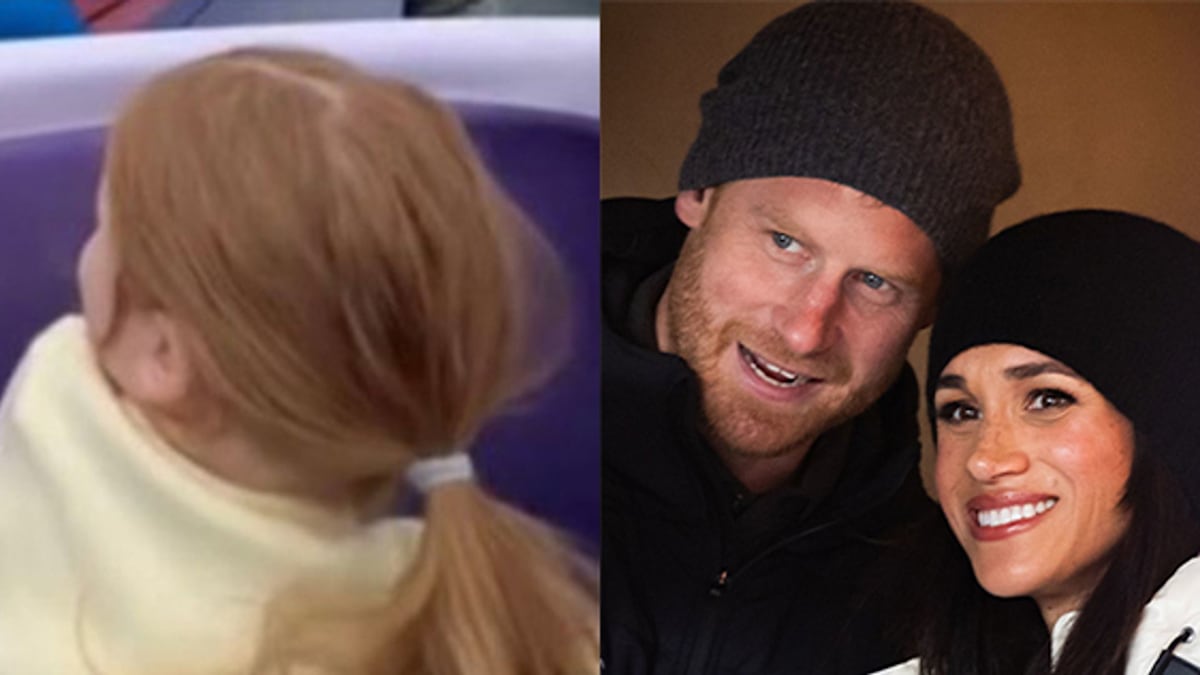
Princess Lilibet’s latest Christmas portrait has quietly redefined modern royal charm. While her festive dress is undeniably sweet, it’s her softly tumbling hair — natural, touchable and utterly age-appropriate — that has captured attention across social feeds and style columns alike. For parents and carers in the UK, it taps into a growing mood: moving away from over-styled children’s looks towards simple, healthy hair that still feels special for big occasions.
Using Princess Lilibet’s Christmas hairstyle as inspiration, this guide breaks down how to recreate that soft, royal-worthy finish at home, while protecting delicate young hair. You do not need a palace-sized product cupboard — just a gentle routine, the right tools, and a light touch.
Why Princess Lilibet’s Christmas Hair Resonates
Although the original image is a posed Christmas moment, there’s an effortless feel to Lilibet’s hair. It’s not lacquered into place or heavily accessorised. Instead, it’s softly parted, with loose movement and a natural sheen that comes from healthy hair rather than high-hold styling products.
In the context of royal style, this is in step with a wider shift we’ve seen in the UK: from the Princess of Wales’s bouncy, polished blow-dries to the Duchess of Sussex’s relaxed waves, modern royal hair is increasingly about movement, health and shine. On children, that approach makes even more sense — their hair is finer, still developing, and benefits from minimal interference.
In salons across the country, many stylists talk about a “soft finish” for children’s occasion hair: neat enough to photograph beautifully, but comfortable enough that a child can still play, eat and nap without pin curls and grips poking into their scalp. Princess Lilibet’s look is a textbook example of this balance.
Creating Royal-Inspired Curls for Children
If you’d like to echo Princess Lilibet’s tumbling Christmas hair for your own little one, think of it as a three-part process: preparation, gentle shaping and a soft, flexible finish. Always work with the child’s natural hair texture first, and only enhance where needed.
- Keep it gentle: Children’s hair is typically finer and more fragile than adults’. Opt for soft tools, minimal heat and low-tension techniques.
- Work with their texture: If hair is naturally wavy or curly, you often need very little intervention — the aim is to define, not redesign.
- Prioritise comfort: If an accessory or style looks pretty but feels tight or itchy, it won’t last through Christmas lunch.
Here’s a simple, stylist-approved approach that’s easy to adapt at home.
1. Prep: Clean, Comfortable Hair
Many UK hairdressers recommend preparing children’s hair the day before a big event, to avoid a rushed, stressful morning. Freshly washed hair can be a little too slippery to hold waves; hair washed the previous evening often behaves better by Christmas morning.
- Use a mild, child-friendly shampoo and, if needed, a light conditioner mainly on the mid-lengths and ends.
- Rinse thoroughly so there’s no residue to weigh hair down.
- Pat dry with a soft towel or microfibre cloth instead of rough rubbing.
Detangle gently with a wide-tooth comb or soft detangling brush, starting at the ends and working upwards in small sections. Many stylists keep a small spray bottle of water or a light detangling spray to re-dampen knots, rather than combing through them dry.
2. Shaping Soft Curls With Minimal Heat
There are several ways to create those soft, princess-like waves without subjecting fine hair to aggressive heat. In the UK, both parents and stylists are increasingly favouring heatless techniques for children wherever possible.
Option A: Heatless Overnight Waves (ideal for medium to long hair)
- When hair is about 80% dry, part it roughly where you’d like it to sit the next day.
- Divide hair into two to four sections, depending on thickness.
- Twist each section gently away from the face and secure it in a loose bun with a soft scrunchie.
- In the morning, release the twists, shake hair out with your fingers and lightly tidy the top with a brush.
This gives a similar, loose pattern to the kind of tumbling curls we see on Princess Lilibet, without clamping or tugging.
Option B: Low-Heat Enhancing (for straighter textures)
If the hair is very straight and you want a touch more shape for photographs, many stylists suggest a very cautious approach to heat:
- Use a child-appropriate heat-protectant spray, particularly on the mid-lengths and ends.
- Select the lowest effective temperature on your styling tool.
- Work in small sections, wrapping the hair loosely around a large-barrel wand or curler for just a few seconds.
- Release and immediately catch the curl in your palm, then allow it to cool to set the shape.
The goal is not tight, party curls, but loose bends that will fall into soft, natural-looking waves — just as Lilibet’s do in her festive photo.
3. Finishing Touches: Soft, Touchable Hold
To keep hair looking polished yet natural, avoid heavy hairsprays or stiff gels. A tiny amount of lightweight cream or serum on the ends can help smooth frizz, while keeping the roots fluffy and childlike.
- Rub a pea-sized amount of product between your palms.
- Lightly scrunch into the lower half of the hair.
- Use your fingers to define a few face-framing pieces.
If accessories are part of the outfit, follow the quiet luxury feel of modern royal style: perhaps a slim velvet bow, a delicate headband or a small barrette to keep hair away from the face — always checking that it doesn’t pinch or pull.
Looking After Children’s Hair the Royal-Inspired Way
Princess Lilibet’s hair appears soft, healthy and free-moving — a reminder that the loveliest styles usually rest on good everyday care. Many UK haircare professionals emphasise a “less is more” philosophy for young hair.
- Limit frequent washing: Unless hair is very active or oily, many stylists suggest washing two to three times a week rather than daily to avoid dryness.
- Use gentle tools: Wide-tooth combs, soft bristle brushes and snag-free bands (such as covered elastics) help minimise breakage.
- Nighttime protection: For longer hair, a loose plait or ponytail at bedtime can reduce knots and morning tangles.
- Be scalp-aware: If you notice persistent flakiness, redness or itching, dermatologists often recommend speaking with a GP or qualified professional rather than experimenting with harsh products.
In many British households, haircare doubles as bonding time — a moment to check in with a child while you brush, plait or style. Taking a gentle, respectful approach not only protects their hair, but also helps them build a positive relationship with their own appearance, far more meaningful than any single Christmas photo.
Brands like Hairporium aim to support that mindset: prioritising knowledge, gentle techniques and realistic styling ideas over trends that feel too grown-up or high maintenance for little heads.
Explore More: Discover related reads from Hairporium — News • Guides • DIYs • Expert Articles.
Learn More: Explore detailed haircare routines and styling tips at Hairporium Guides.
Key Takeaways
- Princess Lilibet’s Christmas hair showcases a modern royal approach: soft, natural movement rather than stiff, over-styled curls.
- Recreating the look at home relies on gentle prep, heatless or low-heat waves, and a light, touchable finish.
- Children’s hair benefits from minimal tension, mild products and tools designed to protect fine strands from breakage.
- Healthy everyday habits — from careful detangling to bedtime plaits — are the real foundation of ‘princess’ hair.
- For your next festive event, start with your child’s own texture, keep comfort front and centre, and build a simple look they can happily play in.
Frequently Asked Questions
How can I get my child’s hair to hold curls without using lots of hairspray?
Many stylists recommend focusing on preparation instead of heavy hold. Slightly lived-in hair (washed the day before), gentle heatless setting methods and allowing curls to cool completely all help waves last longer. A light cream on the ends is often enough for children, without resorting to strong sprays.
Is it safe to use heated tools on young children’s hair?
Occasional, carefully controlled use can be acceptable for special events, but most professionals advise limiting heat on very young hair. If you do use a curler or wand, choose the lowest effective temperature, apply a suitable heat-protectant and keep contact time brief. When in doubt, explore heatless options first.
My child hates having their hair brushed. Any tips to make styling easier?
Try detangling in the bath or shower with conditioner, using a wide-tooth comb and starting at the ends. Work in small sections, and involve the child by letting them choose a brush or accessory. Short, regular sessions are usually more successful than tackling all the knots in one go.
What’s the best way to stop festive hairstyles from looking too grown-up?
Keep the base style simple — soft waves, a neat ponytail or a single plait — and let age-appropriate accessories do the festive work. Bows, velvet bands and subtle clips nod to royal style without feeling adult. Avoid heavy contouring, excessive product or styles that dramatically change your child’s natural texture.
How often should I wash my child’s hair over the Christmas holidays?
There’s no single schedule that suits everyone, but many UK stylists suggest two to three times a week, adjusting for activities and hair type. Very active children or those with finer, oilier hair may need more frequent washes; those with curls or coils often do better with fewer, paired with careful conditioning and gentle refreshes between.
Can I recreate a royal-inspired look on shorter hair?
Absolutely. For bobs or shorter cuts, focus on shine and shape rather than length. A soft side parting, a slight bend created with a round brush or heatless technique, and a small bow or clip can still feel charmingly regal.


