

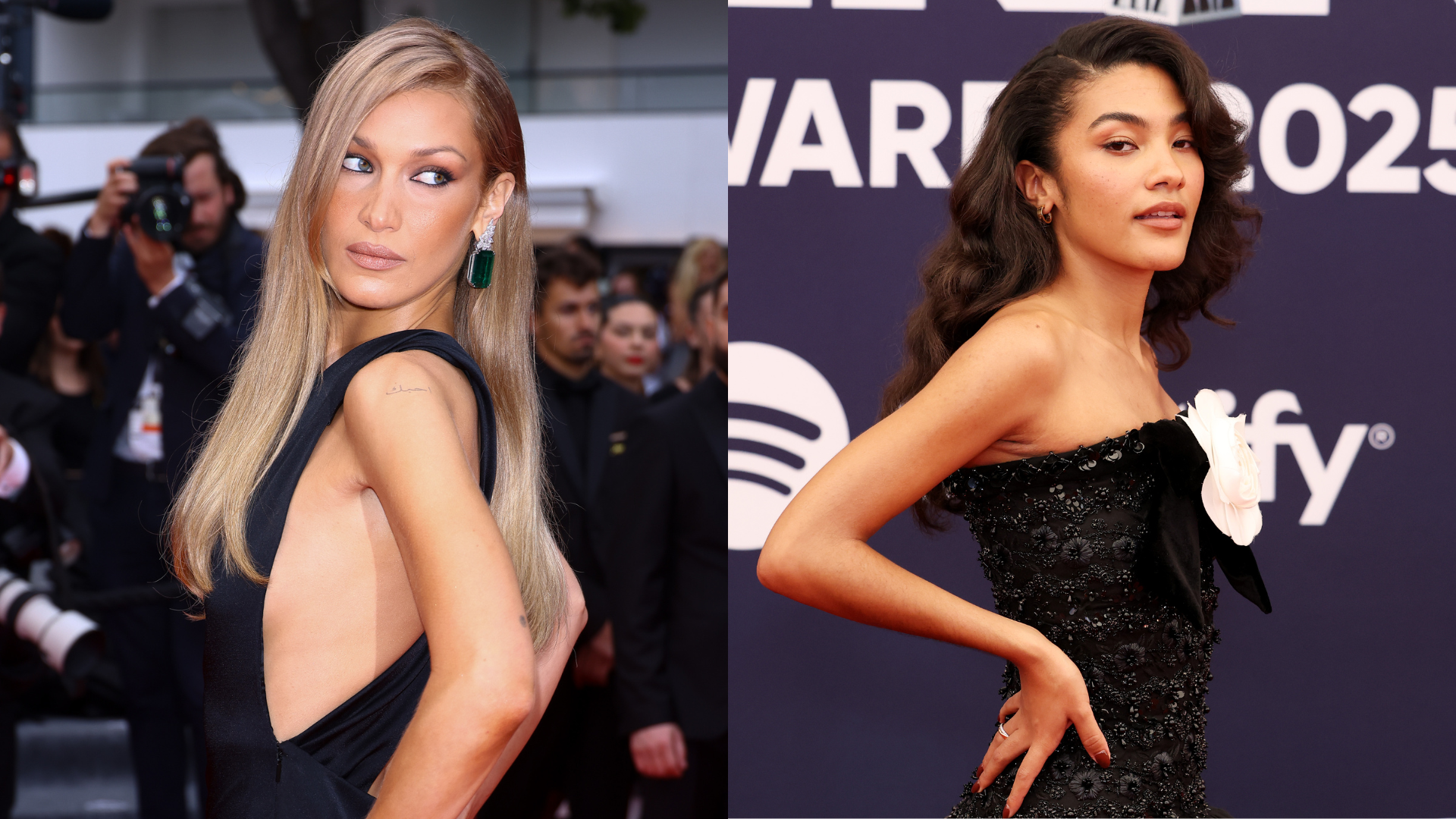
If you’ve spent the last few years perfecting a centre part, consider this your permission slip to experiment again: the 80s-inspired deep side part is quietly building momentum, with fashion and beauty tastemakers (from runway front rows to red carpets) wearing it in a way that feels fresh rather than costume-y. While the style has occasionally been labelled “dated”, its comeback makes sense in 2026’s broader mood—more glamour, more movement, and hair that looks intentionally styled instead of accidentally undone.
What’s new this time is the finesse. Where the throwback version could lean crunchy or overly teased, the modern side part is sleeker at the root, shinier through the lengths, and often paired with softer, touchable volume. It’s a small shift that can change your whole face-framing—and it’s one of the easiest trend updates you can try without committing to a cut or colour.
Why the side part is returning now (and why it doesn’t feel “dated”)
Hair trends rarely return as exact replicas; they tend to come back with better technique, improved tools, and a new styling “attitude”. The side part’s revival is likely being driven by three overlapping factors:
- A renewed appetite for polish: After seasons of ultra-casual texture, many stylists are leaning back into controlled shape—think glossy blow-dries, brushed-out waves and structured silhouettes.
- Face-framing that photographs well: A deep side part instantly creates lift at the root and emphasises cheekbones, which reads beautifully in photos and under event lighting.
- Soft glamour is everywhere: The current notion of “glam” is less about stiffness and more about bounce, shine and movement—exactly where a side part excels.
In UK salons, the side part also fits neatly into real-life routines. It’s a practical way to refresh day-two (or day-three) hair: switching your parting can reintroduce lift where hair has fallen flat, and it can disguise oily roots without needing a full wash-and-style.
How to wear the 2026 side part: modern placements and finish
The biggest difference between an “old-school” side part and a current one is placement and finish. Rather than a razor-sharp line with heavy set hair, today’s version is slightly more flexible—still definite, but not severe.
Placement guide: aim for a part that starts just off the arch of your eyebrow, then experiment deeper depending on your hair density and face shape. If you’re unsure, start with a softer side part and move it gradually until you find the most flattering angle.
- Sleek root + soft body: Smooth at the crown without flattening everything; keep volume through mid-lengths and ends.
- Shine over stiffness: A glossy finish reads modern and expensive. Many session stylists favour light, buildable shine products rather than heavy oils.
- Texture, but refined: If you love waves, brush them out slightly so they look lived-in and airy—not tightly “done”.
- Tucked ear, not helmet hair: Tucking one side behind the ear is a quick update that makes the look feel intentional and contemporary.
Real-world next step: tomorrow morning, style as usual but change only your parting, then take a quick photo in natural daylight. You’ll immediately see whether the deeper angle adds lift and structure that suits you.
Stylist-approved technique: getting lift without damaging your hair
A deep side part is brilliant for volume, but repeated tension in the same direction can stress hair over time—especially if you’re backcombing aggressively or heat-styling daily. Many stylists recommend rotating your part occasionally, using heat protectant consistently, and focusing on gentle foundation work at the root rather than rough handling.
Try this modern, hair-friendly method:
- Prep: Apply a heat protectant before any hot tools. If you blow-dry, use a nozzle for directional smoothing at the root.
- Create the part: Use the tail of a comb to set the line, then soften it slightly by pressing with your fingertips.
- Lift at the root: Blow-dry the heavier side up and away from the face, then cool-shot to set. If needed, add a small amount of lightweight volumising spray at the root.
- Shape the lengths: For sleek hair, brush through and curve ends under or out softly. For waves, use a larger barrel and brush through for a modern finish.
- Set strategically: If your hair collapses, pin the front section for 5–10 minutes while you do your makeup. Remove pins and lightly mist to hold.
If you’re prone to breakage around the hairline, keep the part less extreme and avoid tight pinning in the same spot daily. And if you notice persistent scalp irritation or unusual shedding, it’s sensible to take a break from tension styling and seek advice from a qualified professional.
Who does the side part suit? Making it work for different hair types
The side part is surprisingly versatile—what changes is the styling approach.
- Fine hair: A side part can create instant lift. Keep products light; focus on root direction and a soft set rather than heavy waxes that weigh hair down.
- Thick hair: You can go deeper with the part for drama. Ask your stylist for subtle internal layering if your hair feels bulky when shifted to one side.
- Curly and coily hair: A side part can look striking with natural volume. Define with leave-in and gel, then separate curls once dry for shape and movement. Consider using a satin scarf at night to preserve the part and reduce frizz.
- Fringe wearers: Curtain fringes can swing beautifully into a side part, but you may need a round brush and a quick blast of heat to redirect the front.
In a salon context, you can also ask for a quick “parting consultation” at your next trim. A good stylist will consider growth patterns (cowlicks), density and your everyday routine—because the most flattering side part is the one you can recreate at home.
Key Takeaways
- The 80s side part is returning for 2026 in a polished, glossy way—less tease, more soft glamour.
- A deep side part can instantly add lift, reshape face-framing and refresh day-two hair without a full wash.
- Modern technique is about sleek roots, touchable movement through the lengths, and shine over stiffness.
- Protect hair by using heat protectant, avoiding aggressive backcombing, and rotating your part to reduce repeated tension.
- Try it practically: shift your part tomorrow, pin for 5–10 minutes to set lift, and assess with a quick photo in daylight.
Frequently Asked Questions
Is a side part really coming back in 2026?
Yes—trend cycles and recent celebrity and editorial styling suggest a growing return to side partings, particularly paired with glossy blow-dries and brushed-out waves.
Will a deep side part make my hair look thinner?
It depends on density and placement. On fine hair, a moderate side part often adds lift; an extremely deep part can sometimes expose more scalp. Start slightly off-centre and adjust.
How do I stop a side part from falling flat?
Blow-dry the heavier side up and away from the face, use a cool-shot to set, and consider pinning the front section for a few minutes before you leave the house.
What’s the most modern way to style a side part?
Keep the root smooth, add soft movement through the mid-lengths, and finish with light shine. Avoid stiff, heavily hairsprayed shapes—movement is what makes it feel current.
Can I wear a side part with curls or coils?
Absolutely. Define your curl pattern as usual, then choose a side part that works with your natural growth pattern. A satin scarf or bonnet can help maintain the shape overnight.
Explore More: Discover related reads from Hairporium — News • Guides • DIYs • Expert Articles.
Learn More: Explore detailed haircare routines and styling tips at Hairporium Guides.


More in Hair guides
A budget thickening serum has gone viral with mature UK shoppers. Here’s what thickening products...
Nicole Kidman’s natural curls are a timely reminder: healthy texture comes from technique, not pe...
A practical UK guide to Bardot-inspired hair: lifted crown, soft texture and brushed-out waves, w...
Facial hair and weight changes can be part of a broader hormonal picture, including PCOS. Here’s ...
UK stylists are already spotlighting 2026’s chic hair direction: softer cuts with movement, riche...
From romantic soft wave bobs to laser-sharp lines, the 2026 bob is all about adaptable styling. H...
A modern fringe can be a surprisingly effective way to disguise thinning at the hairline and crow...
Hair shedding can feel alarming, but everyday habits—tight styles, heat, rough handling and scalp...
A stylist-approved “invisible face-lift” haircut uses face-framing layers and subtle lift to refr...
A stylist-informed guide to what “thicker” and “shinier” really mean in haircare — and the practi...
View all hair guides