
Recent Post
Police raid hair salon drug hub: what it means for salon safety
What a “Glycolic Gloss” Routine Really Does for Hair Shine

How Unreal Engine Artists Build Curly Red Hair That Moves
Why ‘Wig-Accused’ Hair Is Trending — and How to Get the Look

What to Know About ‘Doctor-Recommended’ Thickening Hair Foams

Oral minoxidil for hair growth: what UK experts want you to know
Leave a comment

The Boho Bob: The Volume-Boosting Cut Fine Hair Has Been Waiting For
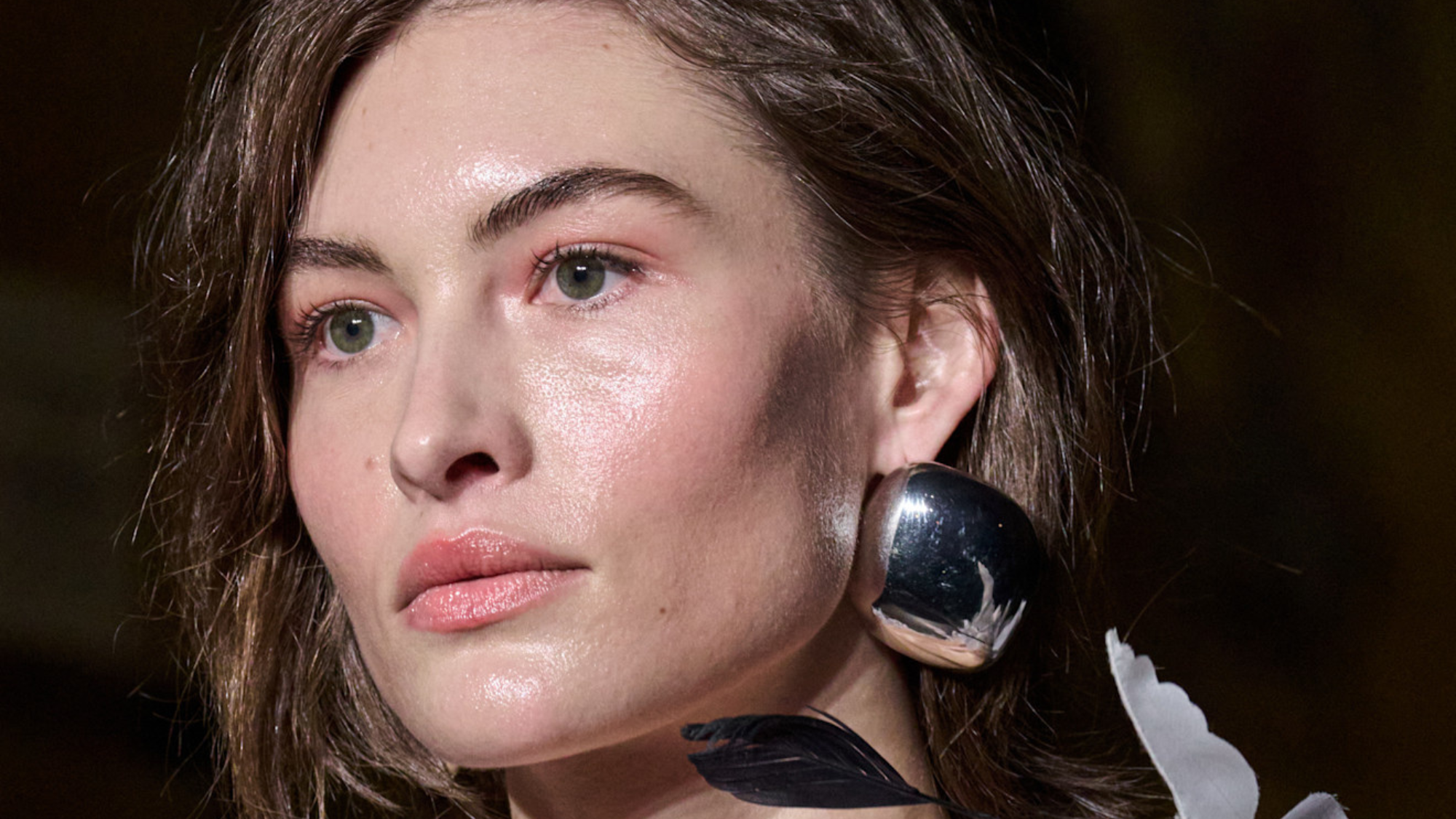
The bob never really goes out of style, but every few seasons a new variation steps into the spotlight. Right now, it is the boho bob – an undone, free-spirited take on the classic cut that promises one thing fine-haired people are always chasing: believable fullness. With its airy layers, soft texture and unfussy styling, this bob is being embraced in UK salons as the antidote to over-polished, high-maintenance hair.
Whether your hair is naturally straight, wavy or somewhere in between, the boho bob can be tailored to fake the look of thicker, denser strands. Below, we break down what makes it different from other bobs, how to ask for it in the chair, and the best ways to style it at home without needing a full glam squad every morning.
What Exactly Is a Boho Bob?
The boho bob is a chin- to collarbone-length cut that leans into movement and texture rather than sharp precision. Think relaxed French-girl hair meets festival ease: soft layers, subtle shape, and a finish that looks almost air-dried, even if you have put in some smart styling work.
Unlike a blunt bob, which is cut in one solid line to maximise weight, the boho bob uses carefully placed layers and texturising techniques to create lift at the roots and an airy, tousled edge. This gives the illusion of more hair because the strands are not sitting flat and uniform against the head.
Key characteristics many stylists use when cutting a boho bob include:
- Length: Usually between the jaw and just above the shoulders – long enough to tuck behind the ear, short enough to hold its shape.
- Soft layering: Internal layers to encourage movement without looking choppy or thinned out.
- Texture: Point-cutting or slide-cutting at the ends to remove blunt heaviness and add a feathered, lived-in feel.
- Parting flexibility: Works with a centre part, deep side part, or a messy, in-between split depending on your face shape and preferences.
- Low-shine finish: A more matte, piecey texture rather than ultra-glossy, poker-straight strands.
For UK clients used to battling drizzle, wind and crowded commutes, this is a style that actually embraces a bit of imperfection. Instead of fighting frizz or flyaways, the boho bob folds them into the look.
Why the Boho Bob Works So Well for Fine Hair
Fine hair can be beautifully silky, but it often collapses quickly, especially in our humid British climate or after a day under a bike helmet or winter hat. The boho bob has become a go-to in salons because its structure is specifically designed to add dimension and the illusion of density.
Several elements help it appear fuller:
- Strategic layering: Subtle internal layers lift sections away from the scalp, preventing that “curtain of hair” that sits flat and lifeless. Many stylists avoid aggressive thinning on fine hair and instead use very soft, deliberate layers for lightness.
- Broken-up ends: A slightly shattered hemline disrupts the eye, so you see texture and movement rather than one solid, limp line.
- Airy styling: Products that add grit and hold – think light mousse, volumising spray or a soft texturising mist – give fine hair something to cling to, creating body.
- Comfortable length: Keeping hair off the mid-back reduces weight that can drag fine strands down. Around the jaw to collarbone is a sweet spot where hair can still move but holds volume more easily.
Colour can also play a role. Many UK colourists subtly weave in highlights, lowlights or balayage to add depth, making the texture more visible. Multi-tonal colour can trick the eye into seeing thicker hair, but it is important to work with a professional who will prioritise hair condition, especially if your strands are already delicate.
In real terms, if your current cut feels too blunt or heavy and falls flat by midday, asking your stylist for a softer, layered boho bob can make styling at home significantly easier and faster.
How to Ask for a Boho Bob in the Salon
Because terms like “boho”, “French”, or “shaggy” can mean different things to different stylists, consultation is everything. Many UK hairdressers will welcome photos and a clear conversation about how much daily styling you are realistically willing to do.
To get the best result for fine hair, use these practical pointers when you are next in the chair:
- Bring 2–3 reference photos: Show slightly different versions of the boho bob – one shorter, one longer, one with a fringe – and discuss what you do and do not like about each.
- Be honest about your styling routine: If you only have 10 minutes in the morning, say so. Your stylist can adapt the cut so it still looks good with minimal effort.
- Talk texture, not just length: Explain that you want light layering and movement to boost fullness, but you do not want the ends to look thin or wispy.
- Discuss fringe options: Curtain bangs or a soft, grown-out fringe can frame the face and make fine hair appear thicker around the cheeks and jaw. A full, heavy fringe might not be ideal for very fine or sparse hairlines.
- Ask about maintenance: For most boho bobs, a trim every 6–8 weeks keeps the shape and texture balanced without becoming high-maintenance.
Hairporium’s editorial team regularly hears from UK stylists who say the boho bob works best when it is customised: adjusting the amount of layering and the exact length to suit face shape, hair density and lifestyle. A good stylist will also check how your hair sits around the crown and nape – key areas for building believable volume on fine hair.
Styling a Boho Bob at Home: Volume Without the Fuss
One of the biggest selling points of the boho bob is how easy it is to style day-to-day. You do not need a full kit bag of tools; just a few thoughtful techniques and the right light-touch products can transform fine, flat hair into something far more dimensional.
Here is a simple UK-friendly routine you can try tomorrow morning:
- 1. Start with a lightweight wash: Many stylists recommend using a gentle, volumising shampoo and a very light conditioner through the mid-lengths and ends only, avoiding heavy formulas on the roots.
- 2. Prep with a root-boosting product: On towel-dried hair, apply a golf ball-sized amount of mousse or a volumising spray to the roots and mid-lengths. Comb through with a wide-tooth comb for even distribution.
- 3. Rough-dry for lift: Flip your head upside down or over to one side and use a hairdryer on medium heat, working your fingers through the roots to encourage lift. A nozzle attachment can help direct airflow without blowing hair everywhere.
- 4. Define texture: Once hair is about 80% dry, you can twist small sections around your fingers, scrunch gently, or use a large-barrel tong on random pieces to create loose waves. Avoid curling every strand – the beauty of a boho bob is its imperfection.
- 5. Finish with a light texturising spray: A fine mist of texturising spray or a very small amount of styling cream on the ends can help separate pieces for that effortless, piecey look.
- 6. Refresh on day two: A quick spritz of dry shampoo at the roots and a mist of water on the lengths can revive shape. Twist a few sections and let them air-dry while you get ready.
On busy days, you can simply scrunch in product and let your hair air-dry, accepting that a bit of frizz or fluffiness is all part of the aesthetic. This is particularly helpful on humid or rainy days when chasing a glass-smooth finish is likely to be a losing battle.
Adapting the Boho Bob for Different Hair Types and Face Shapes
Although the trending look focuses on making fine hair appear fuller, the boho bob is versatile enough to suit a range of hair types common in the UK – from naturally straight to softly wavy and loosely curly. The key is in adjusting the cut and styling approach, rather than forcing your hair to behave in a way that is completely foreign to its natural pattern.
Some useful guidance many stylists follow:
- Straight, very fine hair: Opt for more internal layering and rely on styling products for movement. A slightly shorter length (around the jaw) can help hold volume more easily.
- Soft waves: You can often work with your natural texture, enhancing it with a diffuser or air-drying with a curl cream. Too much layering may cause frizz, so ask for softer, more minimal layers.
- Loose curls: Keep layers longer and avoid heavy thinning. The boho bob can sit closer to the shoulders to prevent shrinkage, while still delivering that free-spirited, textured shape.
- Round faces: A slightly longer bob, sitting just below the jaw, can elongate the face. A soft side part or curtain fringe adds gentle angles.
- Long or oval faces: Chin-length versions with more volume at the sides can balance proportions and bring focus to the cheekbones.
If you have any concerns around scalp sensitivity, increased shedding or sudden changes in hair texture, it is sensible to speak with a GP or dermatologist before making dramatic changes or introducing lots of new styling products. While the boho bob is a cut, not a treatment, overall hair and scalp health always come first.
For now, a realistic next step is simply to screenshot a few examples of boho bobs you like and book a consultation, not necessarily a full cut, with your stylist. Use that time to talk through what is achievable for your hair type and lifestyle.
Explore More: Discover related reads from Hairporium — News • Guides • DIYs • Expert Articles.
Learn More: Explore detailed haircare routines and styling tips at Hairporium Guides.
Key Takeaways
- The boho bob is a textured, softly layered bob that embraces movement and an undone finish rather than sharp, polished lines.
- It suits fine hair particularly well, using internal layers and broken-up ends to create believable volume and fullness.
- A thorough consultation – with reference photos and an honest chat about your routine – is essential to tailor the cut to your hair and lifestyle.
- Styling can be simple: a lightweight wash, root-boosting products, rough-drying and a touch of texturising spray deliver the signature boho finish.
- The cut can be adapted for different hair types and face shapes, making it a versatile, real-world option for anyone wanting a modern, low-fuss bob.
Frequently Asked Questions
Is the boho bob suitable for very fine, flat hair?
Yes. The boho bob is often recommended by stylists as a way to add visual fullness to fine hair. Soft internal layers, light products and clever styling can create lift at the roots and more movement through the lengths. The key is to avoid over-thinning the ends so the hair still looks substantial.
Will a boho bob require lots of heat styling every day?
Not necessarily. Many people with this cut rely on a quick rough-dry with a hairdryer or even air-drying, then enhancing texture with fingers and a light texturising product. You can use tongs or straighteners to polish certain sections, but the style is meant to look relaxed, not overly done.
How often should I get a boho bob trimmed?
Most stylists suggest a trim every 6–8 weeks to maintain shape and prevent the layers from growing out into one heavy length. If you prefer a longer, shaggier feel, you can sometimes stretch this to around 10 weeks, but fine hair in particular tends to look fresher with fairly regular maintenance.
Can I have a fringe with a boho bob if my hair is fine?
Yes, but the type of fringe matters. A soft, wispy fringe or curtain bangs can add interest around the face and help hair look thicker at the front. A very heavy, blunt fringe can sometimes emphasise finer texture or feel flat, so it is worth discussing options and density with your stylist.
Does the boho bob work on naturally wavy or loosely curly hair?
It can work brilliantly on soft waves and loose curls. Many stylists will keep layers longer and avoid excessive thinning to protect the curl pattern. A diffuser and a lightweight curl cream or gel can enhance natural movement, giving that effortless boho finish without needing to straighten your hair first.
What should I mention to my stylist if I am worried about hair or scalp health?
If you have noticed increased shedding, irritation, or sudden changes in hair texture, mention this at your appointment and consider speaking with a healthcare professional, such as a GP or dermatologist. Your stylist can adapt the cut to minimise stress on fragile areas, but medical concerns are best assessed by a qualified clinician.


