
Recent Post
Police raid hair salon drug hub: what it means for salon safety
What a “Glycolic Gloss” Routine Really Does for Hair Shine

How Unreal Engine Artists Build Curly Red Hair That Moves
Why ‘Wig-Accused’ Hair Is Trending — and How to Get the Look

What to Know About ‘Doctor-Recommended’ Thickening Hair Foams

Oral minoxidil for hair growth: what UK experts want you to know
Leave a comment

Why Elasticity-Boosting Hair Masks Still Matter 50 Years On
Half a century after a now-iconic hair mask was created for Audrey Hepburn, elasticity-boosting treatments remain a quiet staple in many stylists’ kits. While product names and packaging evolve, the hair concerns they address are timeless: snapped ends, dull lengths, and curls that have lost their spring. This feature explores what an “elasticising” mask actually does, why it can make hair feel bouncier, and how to use similar treatments effectively at home, drawing on professional best practice and UK haircare context.
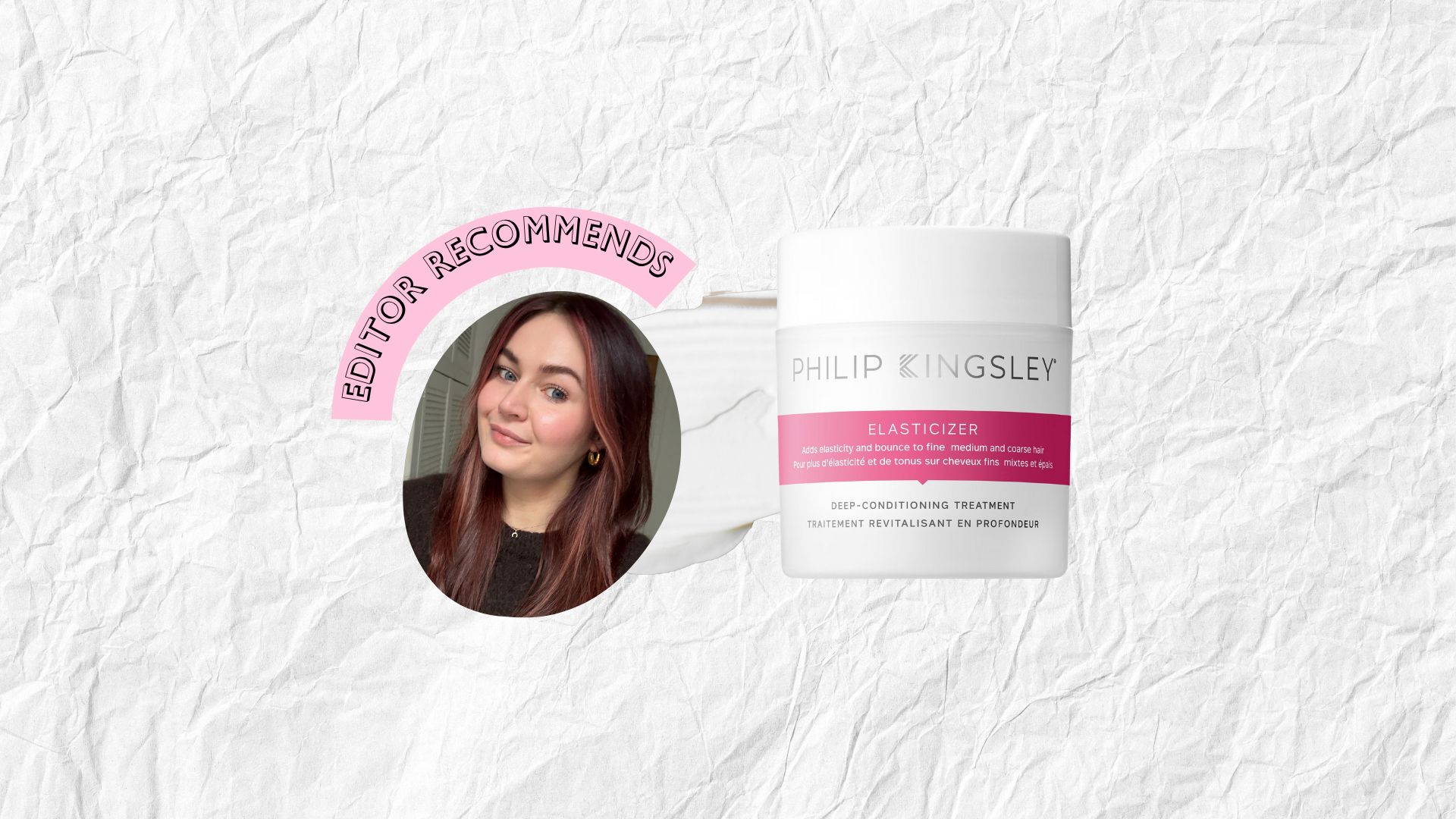
From Audrey Hepburn to Everyday Showers: The Appeal of Elastic Hair
In the 1970s, a bespoke hair treatment was reportedly formulated for Audrey Hepburn to counteract the constant heat styling and on-set manipulation her hair endured. Decades later, elasticity-focused masks inspired by this approach are used not only by celebrities, but by anyone whose hair has become overstressed by colouring, straightening, or simply central heating and daily brushing.
Elasticity, in hair terms, is the ability of the strand to stretch and return to its original shape without snapping. When hair is well-balanced in moisture and structural integrity, it can move freely and spring back into place, giving that much-coveted “bouncy” feel. When the balance is off, hair may either stretch and break (often due to protein loss and over-processing) or feel rigid, rough, and prone to snapping (sometimes a sign of dehydration or too much protein without enough moisture).
UK stylists often notice a seasonal rhythm to these concerns. Central heating and cold winds in winter can leave hair dehydrated, while UV, salt water, and chlorine in summer can rough up the cuticle. In both cases, many pros recommend a regular deep-conditioning or elasticity-focused treatment as a corrective step rather than an occasional luxury.
What Elasticity-Boosting Hair Masks Actually Do
Elasticity-boosting masks are typically intensive pre-shampoo or post-shampoo treatments designed to improve suppleness, manageability and the appearance of strength. While every formula is different, they often follow a few shared principles recognised in professional haircare:
- Hydration support: Rich conditioning agents and humectants help the hair fibre retain moisture, which contributes to flexibility and shine.
- Surface smoothing: Emollients and conditioning polymers can help smooth the outer cuticle layer, reducing friction between strands and minimising tangling.
- Structural support: Some masks include ingredients that help support the hair’s inner structure (the cortex), which may reduce the likelihood of snapping when hair is stretched or brushed.
- Protection from mechanical stress: Detangling and slip can make it easier to comb or brush without causing breakage, a particular concern for those with curls, coils or fragile, colour-treated hair.
In-salon, treatments that focus on elasticity may be recommended after bleaching or colour services, or ahead of heat styling for a major event. At home, an over-the-bath deep treatment can provide a similar concept in a more accessible format, helping to maintain results between appointments.
It’s important to remember that no mask can reverse significant structural damage once hair is badly compromised. However, many stylists and trichologists note that the right product can reduce further breakage, improve manageability, and make hair feel noticeably more resilient and bouncy in everyday styling.
How to Use an Elasticising Hair Mask for Maximum Bounce
For all hair types, the technique you use with an intensive mask can be as important as the formula itself. UK hair professionals often share a set of core application principles, which you can adapt at home regardless of the brand you reach for.
- Start with damp, not dripping, hair: Lightly wet the hair so it’s evenly damp. This helps product spread more efficiently without being diluted by excess water.
- Section for precision: Divide the hair into 4–8 sections depending on thickness. This is especially useful for curly, coily or very dense hair, ensuring even coverage.
- Focus on mid-lengths and ends: These areas are typically the most weathered and benefit most from intensive care. Apply sparingly at the roots unless your stylist has advised otherwise.
- Use a wide-tooth comb: Gently comb through each section from the ends up to distribute the mask and detangle with minimal breakage.
- Respect the recommended time: Leaving a mask on longer than advised doesn’t always equal better results. Follow the time suggestion on-pack or from your stylist, adjusting slightly according to your hair’s needs.
- Rinse thoroughly: Rinse until the water runs clear and hair feels smooth but not waxy. Any residue left behind may weigh hair down and dull that bouncy finish you’re aiming for.
For many people, a once-weekly intensive treatment is enough. Very dry, textured or chemically treated hair may benefit from twice-weekly use, but it’s sensible to build up gradually and see how your hair responds rather than overloading it from the outset.
A practical way to start is to introduce a single mask session on the same day each week – for example, Sunday evening – and keep the rest of your routine unchanged. Over a month, you’ll get a realistic feel for whether your hair seems more resilient, easier to style and less prone to tangling or snapping.
Who Benefits Most from Elasticity-Focused Treatments?
While almost anyone can enjoy the feel of a rich hair mask, some hair types are particularly good candidates for elasticity-focused formulas. Many UK stylists would highlight the following groups:
- Curl patterns from waves to tight coils: Curly and coily hair naturally has more bends and curves, which can be points of weakness. Deep-conditioning, elasticising treatments can help support definition and reduce breakage during detangling.
- Colour-treated and highlighted hair: Lightening processes can leave hair more porous and fragile. Intensive masks may improve manageability and shine between salon appointments.
- Heat-styled hair: Regular blow-drying, straightening or tonging exposes strands to high temperatures. A weekly mask can act as a restorative step alongside daily heat protection.
- Fine but easily weighed-down hair: Lightweight, pre-shampoo masks can offer care without leaving heavy residue, helping hair feel bouncy rather than flat.
- Midlife and menopausal hair changes: Hormonal shifts can coincide with hair feeling drier or more brittle. Many women in their 40s, 50s and beyond find a regular, targeted mask helps maintain softness and movement.
As always, it’s worth listening to your own hair as much as to the label: if your hair starts to feel too soft, floppy or difficult to style, you may want to dial back the frequency or alternate with a lighter conditioner.
For scalp concerns such as flaking, itching or sudden shedding, dermatologists often advise speaking to a GP or trichologist rather than relying on masks alone. These treatments are typically designed for the fibre of the hair, not to address underlying scalp or medical issues.
Explore More: Discover related reads from Hairporium — News • Guides • DIYs • Expert Articles.
Learn More: Explore detailed haircare routines and styling tips at Hairporium Guides.
Key Takeaways
- Elasticity in hair refers to its ability to stretch and return to shape without snapping, a key factor in bounce and movement.
- Elasticity-boosting masks combine hydration, surface smoothing and structural support to help hair feel softer, stronger and easier to detangle.
- Applying masks to damp hair in sections, focusing on mid-lengths and ends, and rinsing thoroughly can significantly improve results.
- Curl patterns, colour-treated hair, regular heat-stylers and those experiencing midlife dryness often benefit most from weekly intensive treatments.
- Start with one mask session per week and adjust based on how your hair responds, while seeking professional advice for any scalp or medical concerns.
Frequently Asked Questions
How often should I use an elasticity-boosting hair mask?
Most people do well with once a week. Very dry, textured or processed hair may benefit from twice weekly, but it’s best to build up slowly and see how your hair responds.
Can an elasticising mask repair split ends?
No topical treatment can permanently seal a split end; trimming is the only true fix. However, masks can help smooth and temporarily disguise splits, making them less obvious between cuts.
Is it better to use these masks before or after shampoo?
Many professional-style elasticity treatments are designed as pre-shampoo masks, but some are post-shampoo. Follow the guidance on the product you’re using and ask your stylist which format suits your hair type best.
Will a rich mask weigh down fine hair?
It can, if overused or applied too heavily at the roots. Opt for lighter formulas, concentrate on mid-lengths and ends, and rinse thoroughly to maintain bounce.
Are elasticity masks safe for sensitive scalps?
They’re usually applied mainly to the lengths, rather than the scalp. If you have a sensitive or reactive scalp, many dermatologists suggest patch testing on a small section of hair first and seeking professional advice if irritation occurs.
Can I use an elasticising mask alongside protein treatments?
Yes, but balance is key. Overloading hair with multiple intensive treatments can leave it either too soft or too rigid. Many stylists recommend alternating treatments and spacing them out over several weeks.


