

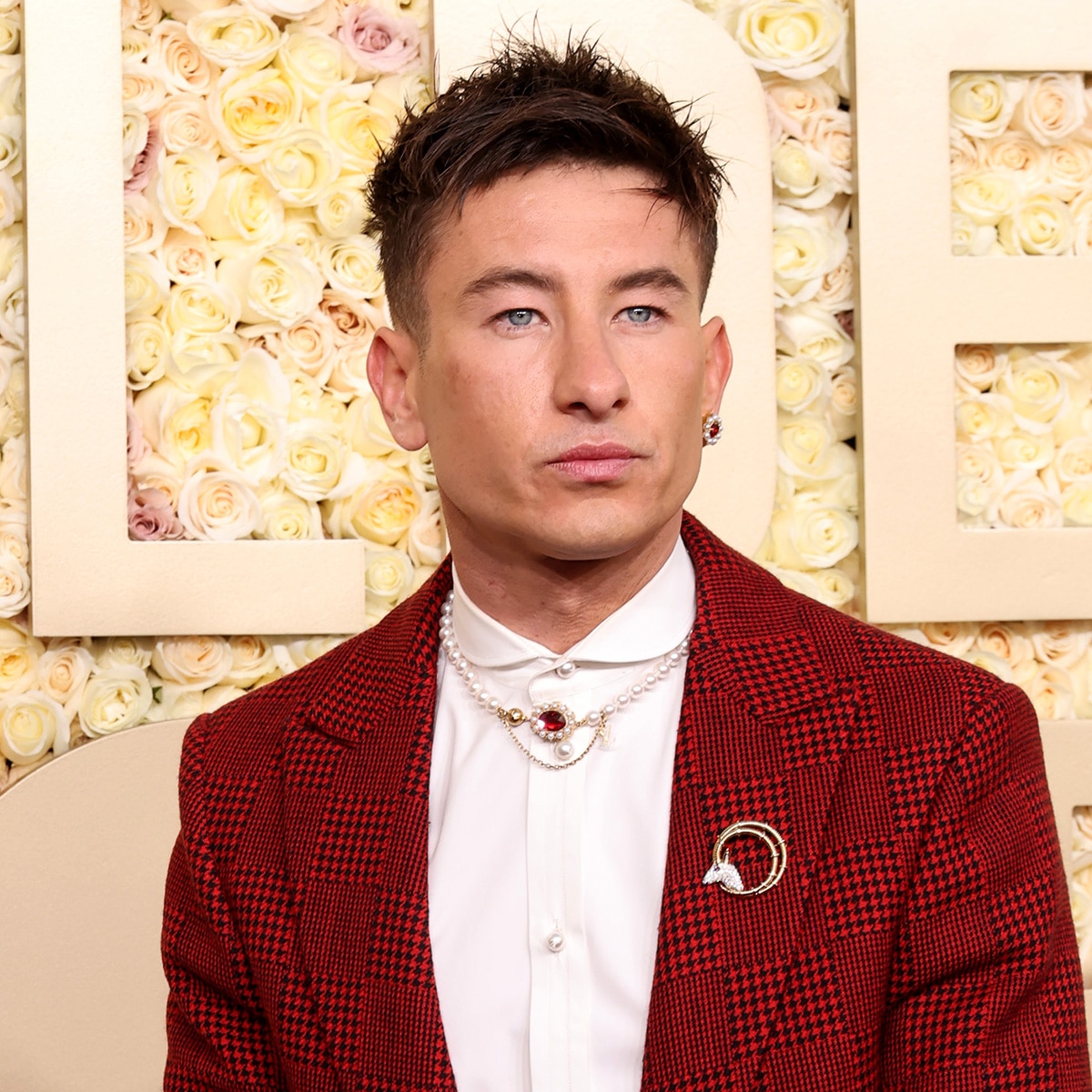
Barry Keoghan has stepped out with a noticeably different look: a neat, 1960s-inspired mop-top debuted at the London premiere of Crime 101 on 28 January. The transformation is tied to his upcoming role playing Beatles drummer Ringo Starr in a biopic—an instantly recognisable reference point in hair history, and one that tends to ripple into mainstream salon requests. For UK readers, it’s also a reminder that “retro” styles aren’t just costumes: with the right cut geometry and modern finishing, they can feel surprisingly current.
Why the mop-top is back (and why it reads so “Beatles”)
The Beatles mop-top is more than “longer hair”; it’s a very particular silhouette. The style relies on a rounded perimeter, fuller weight through the sides, and a forward-sitting fringe that frames the eyes—creating that clean, graphic shape that photographed so well in the 60s. Keoghan’s version leans polished rather than shaggy, which matters: a controlled outline is what makes it register immediately as intentional, not simply overgrown.
From a trend perspective, the resurgence fits neatly with what UK salons have been seeing across 2024–2026: softer, face-framing cuts and “grown-in” lengths that still have structure. The mop-top sits in that sweet spot—recognisable and nostalgic, yet adaptable for everyday wear if you tweak the density and finishing.
The cut details stylists focus on (shape, weight and fringe)
When a celebrity transformation goes viral, clients often bring in a single photo and ask for “that exact haircut”. In practice, the haircut only works if the proportions are adjusted for face shape, hair density, and natural movement. For a mop-top, most stylists pay close attention to three technical areas:
- Perimeter shape: The hemline is typically rounded and sits around ear-to-jaw level. Too blunt and it can look helmet-like; too layered and it loses its signature.
- Weight placement: The look depends on retaining weight through the sides and crown. Removing too much bulk can make it collapse flat; leaving too much can make it puff out.
- Fringe behaviour: A forward fringe is central to the vibe. Many stylists will cut it to sit just above the brows or graze them, then refine so it falls naturally without constant fussing.
Modern versions often include invisible internal layering (rather than obvious choppiness) to keep movement while maintaining that rounded outline. If you have very thick hair, your stylist may subtly debulk to avoid a triangular shape; if your hair is fine, they may keep ends fuller to make the silhouette look denser.
How to wear it in real life: texture, maintenance and styling
What looks effortless on a red carpet still needs a plan on a Tuesday morning. The good news is that the mop-top can be low-maintenance if you work with your natural texture rather than fighting it.
For straight to slightly wavy hair: a quick rough-dry can be enough, then refine the fringe with a brush or your fingers. Aim for a soft bend rather than a perfectly flat sheet—this keeps it modern.
For wavy to curly hair: you can absolutely do a mop-top-inspired shape, but the “Beatles” outline will read looser and more textured. Many stylists recommend defining curls with a light leave-in and diffusing on low heat to keep a rounded profile without frizz.
For coarser hair or high density: ask your stylist about controlling bulk without thinning the ends too aggressively. Over-thinning can create flyaways and make the fringe harder to sit neatly.
Maintenance-wise, the silhouette relies on its outline. Most people find it needs a tidy-up every 4–6 weeks to keep the fringe and ear area looking deliberate—especially if you want that period-accurate, camera-ready finish.
Practical next step: if you’re curious, book a short consultation and bring two references: Keoghan’s mop-top and a photo of your hair on a “normal” day. Ask your stylist to translate the shape to your texture rather than copying the celebrity cut line-for-line.
Explore More: Discover related reads from Hairporium — News • Guides • DIYs • Expert Articles.
Key Takeaways
- Barry Keoghan debuted a Beatles-era mop-top at a London premiere, aligning with his upcoming role as Ringo Starr.
- A true mop-top is defined by a rounded perimeter, controlled weight through the sides, and a forward fringe.
- Modern versions use subtle internal layering to keep movement without losing the iconic shape.
- Styling works best when it respects your natural texture—straight, wavy and curly hair can all adapt the look.
- Bring reference photos and ask for a tailored interpretation; plan trims every 4–6 weeks to maintain the outline.
Frequently Asked Questions
Is a mop-top the same as a bowl cut?
They’re related, but not identical. A classic mop-top tends to look softer and more wearable, with a rounded silhouette and a fringe that moves. A bowl cut is often blunter and more uniform all the way around.
Will a mop-top suit my face shape?
It can, if it’s tailored. Stylists usually adjust fringe length, side volume and where the perimeter sits (ear vs jaw) to balance features. A good consultation will focus on proportion rather than copying a single photo.
What if my hair is very fine—will it fall flat?
Fine hair can work well with this shape if the ends are kept fuller and the cut isn’t over-layered. Many stylists rely on gentle blow-drying and lightweight volumising techniques to keep the outline buoyant.
Can curly hair do a Beatles-inspired mop-top?
Yes, though it will read more textured and less “graphic” than on straight hair. The key is a rounded shape with controlled bulk, plus curl definition to reduce frizz and keep the silhouette intentional.
How do I ask for it at the salon without ending up with a costume look?
Ask for a “60s-inspired rounded cut with a forward fringe,” then specify how modern you want it: softer edges, more texture, or a cleaner outline. Bring photos and be honest about how much styling time you’ll do daily.
How often does the fringe need trimming?
Many people find fringes feel best with a light tidy every 3–4 weeks, while the overall shape can be maintained every 4–6 weeks—depending on how sharp you want the outline.
Stay Updated: Read more UK hair industry news and innovations on Hairporium News.


More in Hair news
FKA twigs’ Grammys hair look fused a bold basketweave structure with spiked loc styling—an editor...
A wig coming loose in the ring has renewed attention on how hair systems cope with sweat, frictio...
A Lincolnshire hairdresser marks a year in business with team growth and a new skills academy, re...
Jarrell Miller’s mid-fight “hair malfunction” went viral — but it’s also a lesson in how hair sys...
Catherine, Princess of Wales, has quietly swapped her signature loose curls for a sleeker, more p...
Charlie Le Mindu’s SS26 return puts hair in the couture spotlight. We unpack what “hairy, furry, ...
A UK tribunal decision reported by The Independent found severe baldness can meet the disability ...
A UK ruling arising from a wigs VAT appeal highlights that severe hair loss can, in context, be r...
Barry Keoghan’s Ringo Starr-inspired haircut is more than a celebrity switch-up: it’s a mastercla...
The award-winning play Jaja’s African Hair Braiding comes to London, bringing braiding-salon cult...
View all hair news