

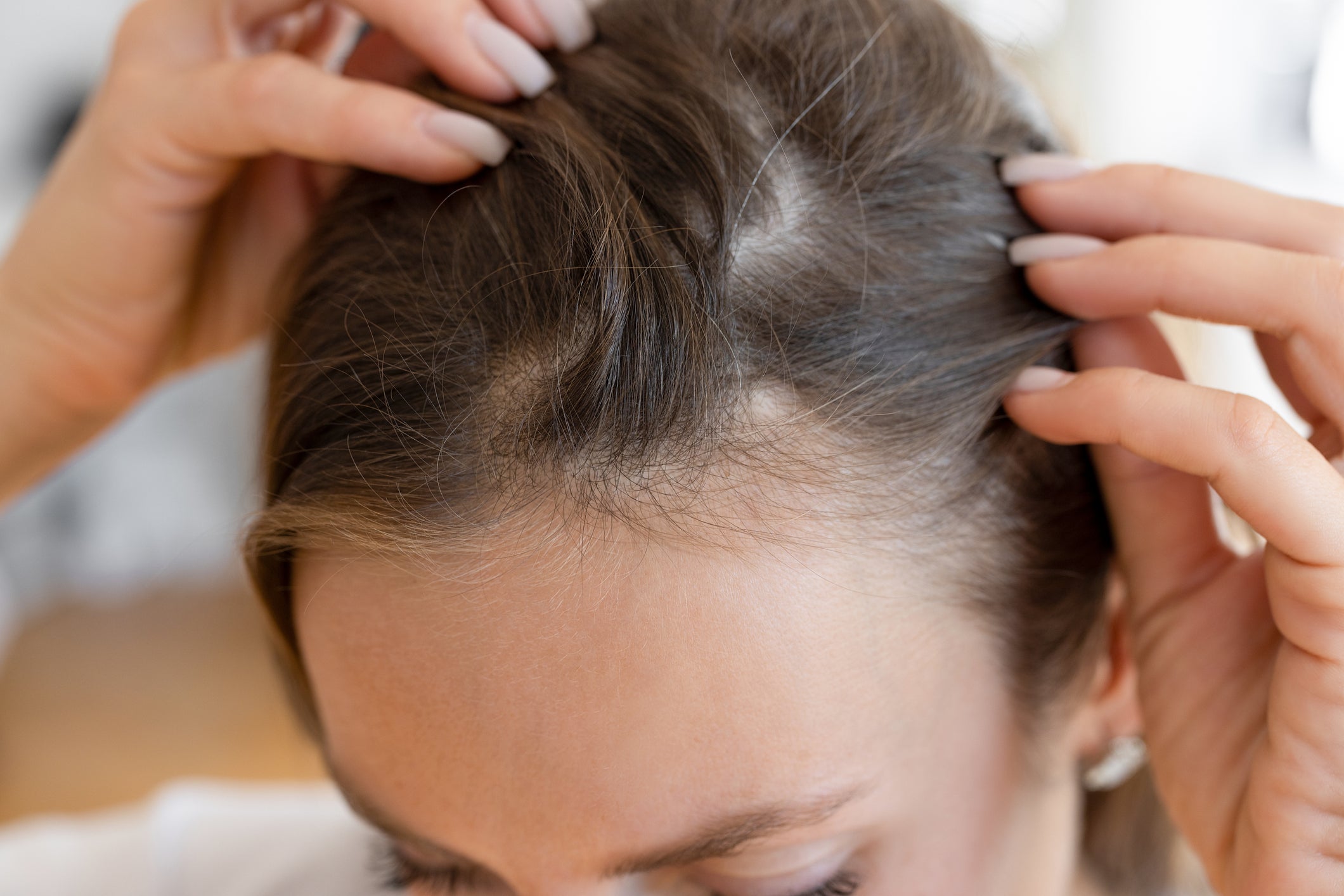
A UK tribunal decision reported this week has put hair loss in the national spotlight, after a judge found that severe baldness can amount to a disability in the context of a tax dispute involving wig makers. While the ruling sits within a specific legal framework, it highlights something many clients and hair professionals already recognise: for some people, hair loss is not merely cosmetic — it can materially affect daily life, confidence and participation in everyday activities.
The case, covered by The Independent, centres on whether hair replacement products could be treated differently for tax purposes when they are linked to a disabling condition. The judgement’s significance is two-fold: it could influence how certain wig-related goods and services are viewed in future tax arguments, and it also validates — in plain legal terms — that severe hair loss may have a substantial impact on day-to-day functioning.
What the ruling actually says (and what it doesn’t)
According to the report, the judge concluded that severe hair loss can “adversely affect” a person’s ability to carry out everyday activities — language that sits at the heart of UK disability definitions used in employment and service contexts. It’s important, however, to keep the scope clear.
This is not a blanket statement that all baldness is automatically classed as a disability, nor is it a medical verdict about hair-loss causes. Instead, it reflects a legal test: whether an impairment has a significant and long-term negative effect on normal daily activities for the individual in question. In practical terms, that means some people with extensive hair loss may meet that threshold, while others may not — even if their hair loss appears similar.
For the UK hair industry, what matters is the acknowledgement that hair loss can be more than appearance. Many stylists and hair replacement specialists already approach consultations with this sensitivity — asking about lifestyle, work requirements, and how clients feel navigating public spaces, social events and professional settings.
Why it matters for clients, salons and the wider wig ecosystem
Wigs and hair systems sit at an interesting crossroads: beauty, identity, cultural expression and (sometimes) necessity. When the law recognises that severe hair loss may impair everyday life, it can have ripple effects in three areas.
1) Consumer trust and expectations
Clients may feel more confident requesting adjustments, privacy, or additional support during appointments — especially those who have previously felt their experience was minimised.
2) Professional practice in salons and studios
Salons that offer wig styling, hairpiece customisation or integration services may re-check how they manage consultations and record client preferences. This doesn’t require turning hair appointments into legal consultations; it simply means adopting best practice: dignity, discretion and informed consent around before/after photos, patch tests, adhesives, and maintenance schedules.
3) Market and policy conversations
Tax classification, consumer rights and accessibility are not everyday topics at the shampoo station — but they affect pricing, availability and how services are packaged. When a tribunal links a product category to disability considerations, it can prompt more scrutiny on what is considered “essential” versus “cosmetic”.
In the UK, where VAT rules already have specific quirks for different goods and services, any tax-related legal decision can spark broader questions. For clients, that can translate into confusion about pricing and what’s included — which makes transparency in salon menus and quotations even more important.
The hair-loss reality: impact is personal, not just visible
Hair loss can be caused by a range of factors — genetics, hormonal changes, autoimmune conditions, stress, traction, medical treatments, or inflammatory scalp disorders. But the way it impacts someone’s daily life depends on more than the cause. It can hinge on their job, cultural expectations, history with bullying, gender identity, religious practice, or how sudden the change was.
Many stylists recommend treating the consultation as the “care plan”, not just the haircut. That means focusing on what the client needs to function day-to-day: a secure fit, a realistic hairline, comfortable cap construction, a manageable routine, and a style that doesn’t demand constant vigilance.
From a professional standpoint, it’s also a reminder to use careful language. Not everyone wants “solutions”; some want styling for what they have. Others want scalp camouflage, a topper, or a full wig. The best salons offer options without judgement.
- If your hair loss feels overwhelming: consider booking a private, longer consultation slot so you’re not rushed.
- If you wear a wig or hairpiece: ask for a maintenance plan that covers washing frequency, heat limits, and how to protect the fibre and cap.
- If you’re unsure of the cause: many dermatologists advise seeking a professional assessment, particularly if hair loss is sudden, patchy, or accompanied by scalp symptoms.
- If you’re returning to work or events: practise your “wear routine” (application, grip, adjustments) at home first for confidence.
Real-world next step: write down the three situations hair loss affects most (work, socialising, exercise, sleeping, intimacy, etc.) and take that list to your stylist or hair replacement specialist — it makes the consultation more practical and tailored.
What to watch next: tax, accessibility and industry standards
The immediate story is a tax row, but the wider conversation touches on accessibility and standards of care. If more legal and policy discussions continue in this direction, the hair industry may see increased demand for:
- Clearer service descriptions (wig cut-in, customisation, colour matching, refitting, adhesive support)
- Better privacy and safeguarding practices (especially in busy retail-salon environments)
- More training on hair loss sensitivity (client communication, realistic outcomes, aftercare)
- Signposting to appropriate medical support when relevant (without overstepping into diagnosis)
For Hairporium readers, the practical takeaway is to view hair loss support as a spectrum. Some people benefit from a new cut that works with thinning; others need hair integration; others prefer a wig wardrobe that mirrors real life — a work style, a weekend style, and an occasion style.
Key Takeaways
- A UK tribunal ruling reported by The Independent found severe hair loss can “adversely affect” everyday activities in a tax-related case involving wig makers.
- The decision doesn’t mean all baldness is automatically a disability; it reflects a legal threshold that depends on individual impact.
- The ruling may influence broader conversations about how wig-related goods and services are treated in policy and tax contexts.
- For salons and hair professionals, it reinforces best practice: privacy, sensitivity, clear pricing, and tailored maintenance advice.
- Practical next step: identify where hair loss affects daily life most and use that to guide a consult, style plan, or wig/hairpiece routine.
Frequently Asked Questions
Does this ruling mean baldness is legally a disability in the UK?
Not in every case. The reporting indicates the judgement focused on severe hair loss and how it affected day-to-day activities for the person involved, within a specific tax dispute. Disability status typically depends on individual impact and legal tests.
Is this about alopecia, pattern hair loss, or all causes of baldness?
The reported judgement refers to severe hair loss rather than a single cause. Hair loss can have many causes, and legal assessments often focus on functional impact rather than the label alone.
Could this change the cost of wigs or wig services?
It may contribute to further discussion about VAT and how certain hair replacement products are classified, but pricing changes aren’t automatic. If you’re purchasing a wig or booking services, ask for a clear breakdown of what’s included.
What should I ask for in a wig or hairpiece consultation?
Ask about cap comfort, security, realistic styling, heat and washing limits, and a maintenance schedule. If you want discretion, request a private appointment time and discuss how photos or colour records are stored.
How can a salon support clients experiencing hair loss without offering medical advice?
Salons can focus on styling options, safe fitting and aftercare, and signposting to qualified healthcare professionals when hair loss is sudden or accompanied by scalp discomfort. Many stylists keep the conversation supportive and practical, centred on what the client wants and needs.
Explore More: Discover related reads from Hairporium — News • Guides • DIYs • Expert Articles.
Stay Updated: Read more UK hair industry news and innovations on Hairporium News.


More in Hair news
FKA twigs’ Grammys hair look fused a bold basketweave structure with spiked loc styling—an editor...
A wig coming loose in the ring has renewed attention on how hair systems cope with sweat, frictio...
A Lincolnshire hairdresser marks a year in business with team growth and a new skills academy, re...
Jarrell Miller’s mid-fight “hair malfunction” went viral — but it’s also a lesson in how hair sys...
Catherine, Princess of Wales, has quietly swapped her signature loose curls for a sleeker, more p...
Charlie Le Mindu’s SS26 return puts hair in the couture spotlight. We unpack what “hairy, furry, ...
A UK ruling arising from a wigs VAT appeal highlights that severe hair loss can, in context, be r...
Barry Keoghan’s Ringo Starr-inspired haircut is more than a celebrity switch-up: it’s a mastercla...
Barry Keoghan’s mop-top debut for his Ringo Starr role has renewed interest in 60s hair. We break...
The award-winning play Jaja’s African Hair Braiding comes to London, bringing braiding-salon cult...
View all hair news