

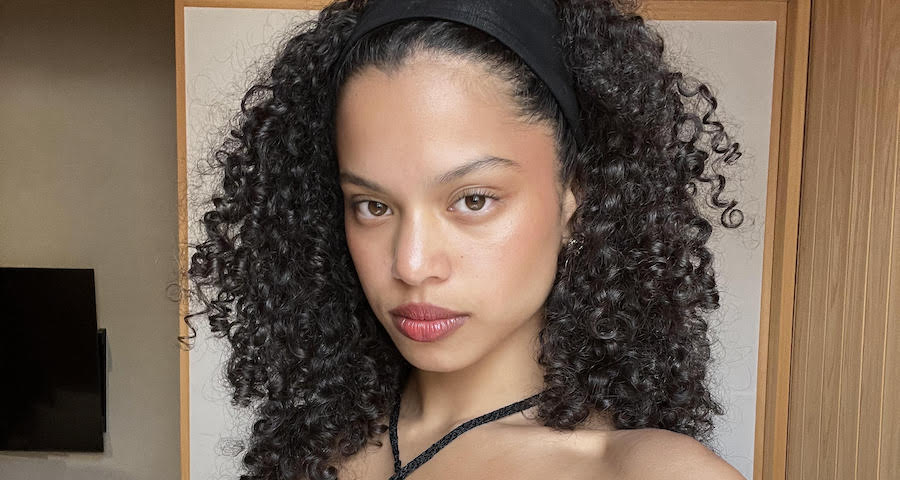
Perfecting a curly hair routine rarely happens overnight. It’s more like a slow, satisfying experiment: learning how your curls behave in different weather, how much moisture they like, and which styling techniques help you keep definition without crunch. A recent Fashion Journal piece rounded up real-life “holy grail” curl habits from Australian women — including classics like the pineapple method and silk bonnets — and while the climate and water may differ, the principles translate brilliantly to UK curl care.
If you’ve ever felt like your curls have a mind of their own (fluffy at the roots, flat on day two, frizzy whenever it rains), you’re not alone. The good news is that a reliable routine doesn’t need to be complicated — it needs to be consistent, and tailored to your curl type, density and lifestyle. Below, we break down the most useful takeaways, add stylist-approved context, and share practical steps you can try as soon as your next wash day rolls around.
Start with the fundamentals: cleanse, condition, and respect your curl pattern
Many curl routines look different on the surface — some people swear by co-washing, others alternate clarifying shampoos with richer cleansers — but the foundation is the same: a clean, balanced scalp and well-conditioned lengths. In the UK, hard water is a common reality, and many stylists note that mineral build-up can dull curls, reduce definition and make hair feel rougher over time. That doesn’t mean you need harsh washing; it means you may benefit from occasional deeper cleansing and thoughtful hydration.
What “clean” means for curls: For textured hair, squeaky-clean isn’t the target. Over-cleansing can leave curls puffy, dry or prone to tangling. Instead, aim for a comfortable scalp, buoyant roots, and hair that still feels supple after washing.
- Cleanse gently most of the time: Focus shampoo at the scalp, and let the lather rinse through the lengths rather than scrubbing them.
- Condition deliberately: Apply conditioner in sections, then detangle with fingers or a wide-tooth comb from ends upwards.
- Rinse with intention: Some curl wearers prefer a slightly less thorough rinse so a whisper of slip remains; others need a clean rinse to avoid heaviness. Try both and compare your next-day results.
- Clarify occasionally: If your curls suddenly feel coated, limp, or unusually frizzy, a clarifying wash (not every time) can help reset. Follow with a hydrating conditioner or mask.
Real-world next step: On your next wash day, take a quick note on your phone: how your scalp feels on day one, day three and day five. That simple pattern can tell you whether you’re over-washing, under-washing, or battling build-up.
Styling for definition: apply products on soaking-wet hair and “set” the curl
The Fashion Journal roundup highlights hacks many curl communities return to again and again: styling on wet hair, using the right hold, and being mindful about how curls dry. In practice, definition comes from clumping (curls gathering into their natural groups) and then setting those clumps so they hold their shape until fully dry.
Why soaking-wet matters: Water helps curls form their natural pattern and encourages product to distribute evenly. If you apply stylers when hair is only damp, you can end up with uneven definition — tighter curls in one area, fluffy pieces elsewhere.
- Use a leave-in (optional): Especially helpful for dry or colour-treated curls.
- Add a curl cream for softness: Great for thicker hair that needs moisture and shape.
- Finish with a gel or mousse for hold: This is often what takes curls from “nice on wash day” to “still defined on day three”.
- Set the curl: Try “scrunching” upwards with open palms, then avoid touching while drying.
One useful way to think about stylers is function, not hype. Creams tend to moisturise and reduce stiffness; gels tend to lock in definition and fight frizz (especially in wet UK weather); mousses can boost volume and bounce on finer curls without as much weight. Many curly-haired people end up layering — but the best layers are the ones your hair actually absorbs, rather than the ones that sit on the surface.
Diffuser vs air-dry: Air-drying can be gentle but slower, which may increase frizz if hair gets disturbed. Diffusing can create more volume and a faster “set”, but high heat can leave curls dehydrated. A common salon approach is to diffuse on low heat/low airflow until a cast forms, then finish with cool air.
Overnight curl protection: pineapple method, silk bonnets and low-friction habits
It’s telling that so many people in the article call out overnight habits as their “game-changer”. Curly hair often looks its best after styling — then gets flattened by sleep. The goal overnight is to reduce friction and compression, so your curl clumps stay intact.
The pineapple method (loosely tying hair at the highest point of the head) works because it keeps most curls from being crushed. A soft scrunchie is generally kinder than a tight elastic, and the “loose” part matters: too tight can create dents, and can stress fragile edges or breakage-prone areas.
Silk bonnets and pillowcases are popular for good reason: low-friction fabric can help minimise frizz, preserve moisture and reduce tangling. While results vary by hair type, many curl specialists recommend them as a simple, non-technical change that supports better day-two hair.
- Option A: Pineapple + silk/satin bonnet.
- Option B: Silk/satin pillowcase + loose plait for longer curls.
- Option C: “Medusa clipping” (sectioning and clipping curls up) for very defined styles or tighter textures.
Real-world next step: Try the pineapple method for three nights in a row, then try a bonnet for three nights. Compare which gives you less frizz, more volume at the roots, and a quicker morning refresh.
Refresh routines: how to revive curls between washes (without starting over)
When curls lose definition, the instinct is often to add more product. But refresh success is usually about reintroducing water first, then adding a small amount of styler only where needed. In the UK’s often damp climate, refresh can be a balance: enough moisture to reactivate curl pattern, but not so much that hair takes hours to dry or becomes fluffy.
A practical refresh framework:
- Assess first: Is the issue flat roots, frizzy halo, or stretched ends? Don’t treat every area the same.
- Mist, don’t soak: Use a spray bottle for targeted rehydration (especially mid-lengths and ends).
- Re-scrunch: Encourage curl clumps to reform.
- Add hold selectively: A small amount of gel/mousse emulsified with water in your palms can help re-set frizzy sections.
- Dry smart: Diffuse for a few minutes to set the refresh, especially on cool, wet mornings.
It’s also worth remembering that not every “messy” day needs fixing. Texture is allowed to look lived-in, and many stylists encourage curly clients to step away from perfectionism — it’s often the quickest route to enjoying your natural pattern.
Key Takeaways
- Curly routines work best when they’re consistent: focus on a balanced cleanse, good conditioning and gentle detangling.
- For stronger definition, apply stylers on soaking-wet hair and avoid touching curls until fully dry.
- Overnight protection (pineapple method, silk bonnet or silk pillowcase) can dramatically improve day-two and day-three curls.
- Refresh is usually water-first, product-second: mist, re-scrunch, then add a touch of hold only where needed.
- Track what changes your results: note your wash frequency, weather and drying method to build a routine that suits your hair and UK conditions.
Frequently Asked Questions
How do I know if I’m using too much product on my curls?
Common signs include curls feeling coated, sticky, dull, or going flat quickly. Try using less, applying on wetter hair, and clarifying occasionally if build-up is suspected.
Is the pineapple method suitable for short curly hair?
It can be, but very short curls may not reach. In that case, a silk/satin bonnet or pillowcase may give similar frizz-reducing benefits without needing a ponytail.
Do silk bonnets really help with frizz?
Many curl wearers find they reduce friction overnight, which can help preserve definition and reduce tangling. Results vary depending on curl type, technique and how well the bonnet stays on.
Should I brush curly hair?
Many stylists recommend detangling in the shower with conditioner (or on very wet hair) to reduce breakage and maintain curl clumps. Dry brushing often disrupts the pattern and can create frizz.
What’s the best way to refresh curls in the morning?
Start with a fine mist of water, re-scrunch to reform clumps, then use a small amount of hold product only where needed. A quick diffuse can help set the shape.
Why do my curls look different on each side?
This is extremely common. Differences in growth pattern, heat styling history, and even how you sleep can affect curl formation. Try styling in sections and using the same technique on both sides for more symmetry.
Explore More: Discover related reads from Hairporium — News • Guides • DIYs • Expert Articles.
Learn More: Explore detailed haircare routines and styling tips at Hairporium Guides.


More in Hair guides
From carnelian orange to blanche blonde, 2026’s hair colour trends are all about dimension, shine...
Meghan Markle’s new ‘halo’ hair puts a fresh spin on the slicked-back look. Here’s what it means,...
From precision lines to soft layering and French fringes, these six bob directions are tipped to ...
Fragrance-forward dry shampoos promise more than oil control. Here’s how to use them like a pro, ...
A headline-grabbing football hair-pull incident raises a wider question: what does sudden tractio...
Dakota Johnson’s scalp-serum comment has renewed interest in “growth” products. We break down wha...
Winter doesn’t stop hair growing, but it can sabotage length retention. Here’s how cold weather, ...
Miley Cyrus’ messy curtain bangs prove the ‘undone’ fringe is all about the right cut and smart s...
View all hair guides