

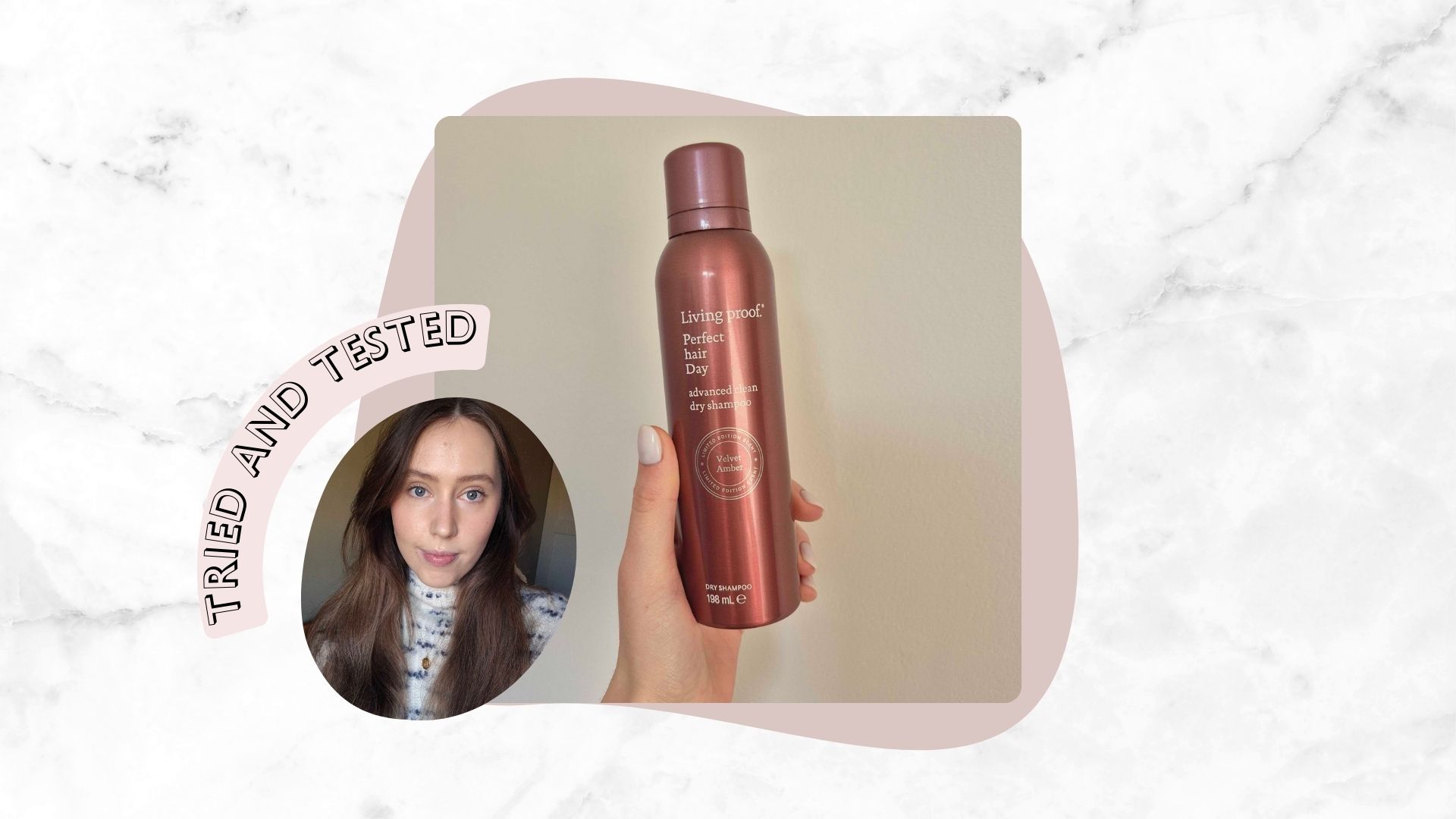
Dry shampoo has long been the busy person’s shortcut to fresher-looking hair, but a newer wave of formulas is changing what we expect from the category. Instead of simply mopping up oil and leaving that tell-tale powdery finish, some products now aim to refresh roots and leave hair smelling genuinely lovely — closer to a “hair perfume” effect than a quick fix. A recent editor recommendation from woman&home spotlights this shift, praising a dry shampoo that tackles greasy roots while also earning compliments for its scent.
For UK readers — juggling commutes, unpredictable weather and the reality that frequent washing isn’t always practical — it’s worth understanding what makes fragrance-forward dry shampoos different, how to use them so they look (and feel) believable, and where they fit in a healthy hair routine. Here’s what to know if you’re ready to retire the heavy, high-maintenance wash-day cycle without relying on hats and hope.
Why “hair perfume” dry shampoos are having a moment
Classic dry shampoos do one job: absorb excess sebum at the scalp and roots to reduce shine and add a little lift. That still matters — especially if your hair gets oily quickly or you’re stretching your wash schedule — but expectations have evolved. Many of us want second-day hair to feel polished, not “rescued”.
The popularity of fragrance-led hair products has also grown in the UK, partly driven by the rise of dedicated hair mists, scented leave-ins and salon-style blowdries that prioritise a lasting finish. So it’s no surprise that dry shampoo — a product used close to the scalp and throughout the day — is being reimagined as something that can also improve how you feel, not just how you look.
From a stylist’s perspective, scent can be a confidence booster, but performance still comes first. A well-made dry shampoo should reduce the appearance of grease without creating new problems: build-up, itching, dullness, or that chalky cast that makes darker shades look ashy under daylight (and even more obvious under office lighting).
- Convenience: a quicker refresh between washes, gym sessions, or after a rainy commute.
- Finish: newer formulas often aim for a softer, more touchable feel.
- Sensorial appeal: fragrance that reads “clean hair” rather than “aerosol”.
- Styling benefit: added grit and lift can help updos and ponytails stay put.
Real-world practicality: if you regularly wake up with oily roots, keep a dry shampoo by your hairbrush and use it before you start styling — it works best when it has a few minutes to settle.
How to use dry shampoo so it looks like a real wash (not a cover-up)
Even the best dry shampoo can look obvious if it’s applied too close, too heavily, or layered day after day in the same spots. Many stylists recommend thinking of it like makeup: targeted placement, blend thoroughly, then reassess.
A more convincing, salon-style method:
- Start on dry hair: dry shampoo isn’t designed to “fix” damp roots. If hair is sweaty, let it cool and dry first.
- Section properly: part hair in 3–5 lines across the crown and hairline so product lands at the roots, not the lengths.
- Hold the can at a distance: roughly 15–25cm away helps prevent wet patches and white overload.
- Spray, then wait: give it 30–90 seconds to absorb oil before touching it.
- Massage the scalp lightly: use fingertips (not nails) and focus on the greasiest areas.
- Brush or blast: brush through, or use a cool hairdryer setting for 10–15 seconds to disperse excess.
- Finish strategically: a quick pass at the nape and behind the ears can help scent and freshness feel more even.
If you’re concerned about visible residue — especially with dark brown or black hair — apply less than you think you need, wait longer, then build slowly. A good formula should be “invisible” once blended, but technique still matters.
Oily roots in winter: what’s actually going on?
It can feel unfair, but oily roots often get worse in winter. Central heating, hats, scarves, and stepping in and out of cold air can make the scalp feel unsettled — and many people touch their hair more when it’s staticky or misbehaving, which can transfer oils onto the hairline.
There’s also the styling factor: if you’re heat-styling more (blowdries, straighteners, hot brushes), you may be using smoothing products that migrate to the root area over time, making hair look greasy faster. Meanwhile, the temptation to “just add more dry shampoo” can lead to build-up that makes hair feel heavy and less responsive.
Many professionals suggest balancing convenience products with occasional proper cleansing. That doesn’t mean washing daily — it simply means recognising when you’ve crossed the line from “refresh” to “residue”. If your roots feel itchy, your hair loses shine at the mid-lengths, or your scalp has that clogged sensation, it may be time for a clarifying wash (and a lighter hand with styling creams near the roots).
Real-world practicality: schedule one deeper cleanse every 1–2 weeks if you use dry shampoo often, and focus conditioner from mid-lengths to ends to avoid root slip.
Choosing the right dry shampoo texture for your hair type
Not all dry shampoos suit all hair. In UK salons, the best results usually come from matching the formula’s “feel” to your hair density, texture and styling habits — rather than choosing purely based on fragrance.
- Fine hair: look for lightweight refreshers that add lift without heavy starch build-up. Apply sparingly and prioritise crown volume.
- Thick hair: you may need more targeted sectioning and slightly more product, but take extra time to massage and disperse.
- Curly/coily hair: consider focusing on the scalp (not the lengths) and use gentle fingertips to avoid frizz; some prefer non-aerosol powders applied precisely.
- Colour-treated hair: minimise aggressive brushing; blend with a cool dryer or a soft brush to reduce friction.
- Dark hair tones: prioritise formulas known for low residue; always allow time to absorb and disperse fully before leaving the house.
Fragrance can be a joy, but it’s worth noting that sensitive scalps may prefer lightly scented options. If you’re prone to irritation, many dermatologists suggest patch-testing fragranced products and reducing frequency if discomfort appears — and seeking professional advice if symptoms persist.
Key Takeaways
- Fragrance-forward dry shampoos reflect a growing trend: hair refresh that also feels like a finishing touch, similar to a “hair perfume”.
- For believable results, apply from 15–25cm away, wait before touching the roots, and blend thoroughly using fingertips, a brush, or cool air.
- Winter habits (hats, heating, extra styling) can make roots look oilier; dry shampoo helps, but build-up can make hair feel heavier over time.
- Match the texture to your hair type: fine hair needs lighter formulas, while thicker hair benefits from careful sectioning and blending.
- Your next step: try using dry shampoo proactively on day-one hair at the crown and hairline — it often performs better than waiting until hair looks greasy.
Frequently Asked Questions
Is dry shampoo bad for your hair?
Used occasionally and applied correctly, dry shampoo is generally considered a practical styling and freshness aid. Problems tend to arise from heavy build-up, poor blending, or using it as a full replacement for washing over long periods.
How often can I use dry shampoo?
This varies by hair type and scalp comfort. Many stylists recommend using it as a between-wash support rather than an everyday substitute, and adding a proper cleanse when hair starts to feel coated or the scalp feels uncomfortable.
Why does my hair feel gritty after dry shampoo?
That gritty feel usually comes from starches or powders left sitting on the hair. Try using less product, spraying from further away, waiting longer, and dispersing with a cool hairdryer or thorough brushing.
Can dry shampoo replace washing after the gym?
It can help in a pinch once hair is fully dry, but sweat and product build-up can still accumulate. If you exercise frequently, alternating dry shampoo with regular cleansing (and keeping styling products away from the roots) often gives a fresher result.
How do I stop dry shampoo showing on dark hair?
Apply lightly in sections, wait before touching the hair, then massage and brush well. Finishing with a short blast of cool air can help remove excess residue and reduce that chalky look.
Does fragranced dry shampoo irritate the scalp?
Some people tolerate fragrance easily, while others find it sensitising. If you notice itching or redness, reduce usage, switch to a gentler option, and consider seeking professional advice if it persists.
Explore More: Discover related reads from Hairporium — News • Guides • DIYs • Expert Articles.
Learn More: Explore detailed haircare routines and styling tips at Hairporium Guides.


More in Hair guides
From precision lines to soft layering and French fringes, these six bob directions are tipped to ...
A headline-grabbing football hair-pull incident raises a wider question: what does sudden tractio...
Dakota Johnson’s scalp-serum comment has renewed interest in “growth” products. We break down wha...
Winter doesn’t stop hair growing, but it can sabotage length retention. Here’s how cold weather, ...
Miley Cyrus’ messy curtain bangs prove the ‘undone’ fringe is all about the right cut and smart s...
At-home IPL is trending as a “less painful” alternative to shaving. Here’s what it is, how it com...
From shine sprays to blow-dry technique, here’s what really delivers glossy, frizz-resistant hair...
“Pony hair” is the 2026 finish trend to know—plush shine, smooth texture and controlled movement....
A stylist-approved approach to post-festive scalp build-up: how pre-wash exfoliation works, how o...
Split ends can’t be fully repaired, but the right routine can help prevent new damage. Here’s wha...
View all hair guides