

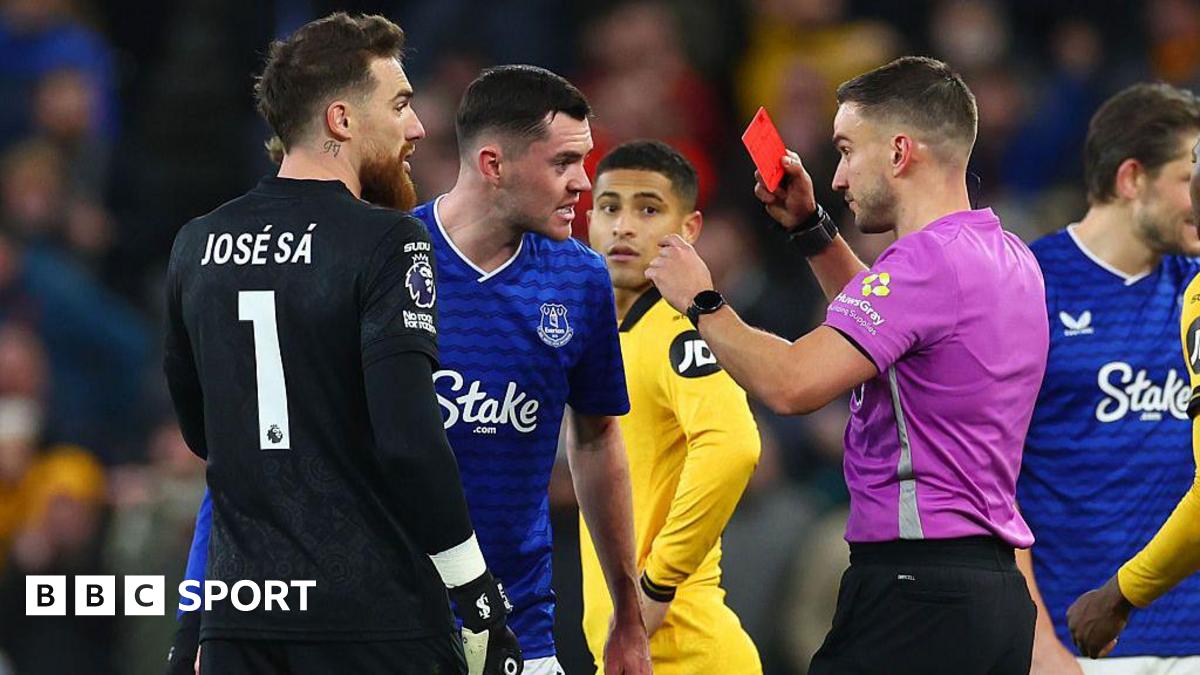
When a hair-pull incident makes headlines—as BBC Sport’s latest Everton story does—it understandably sparks debate about discipline, fairness, and intent. For Hairporium readers, it also raises a different (and often overlooked) question: what does sudden traction like this actually do to hair, and how can people who play sport (or wear tight styles) protect their lengths and edges?
Hair pulling in contact sport sits at an awkward intersection of rules and real life. It’s visually obvious, it can feel personal, and it’s frequently discussed as “unsporting” because it isn’t part of legitimate play. While we’ll leave the legalities of a specific case to the governing bodies, this moment is a useful prompt to look at traction, breakage and protective styling—particularly relevant in the UK where longer hair in men’s football, braids, locs and extensions across grassroots and professional sport are increasingly common.
Why hair pulling is more than “just hair”
Hair is strong, but it isn’t indestructible—especially at the most vulnerable points: the hairline, the nape, and wherever hair is under repeated tension. A sudden yank can cause anything from temporary discomfort to breakage, and in some cases irritation of the scalp. Stylists often describe this as a “traction event”: a sharp pull that stresses the strand and the follicle area.
From a hair-science perspective, a forceful pull can:
- Snap strands mid-length, particularly if hair is dry, over-processed, or already weakened by heat.
- Cause shedding if a strand is pulled from the root (hair naturally sheds, but traction can accelerate it).
- Irritate the scalp, especially if there’s inflammation already present or if the pull is repeated.
- Stress edges and hairline if the grip happens around the front (a common area for braids, cornrows, and slicked-back styles).
Many stylists recommend treating any sudden pulling the way you’d treat an accidental snag with a brush: respond gently and focus on restoring moisture and reducing further tension for the next few days. If someone experiences ongoing pain, tenderness or visible scalp irritation after a traction incident, dermatologists often suggest seeking professional advice—particularly if symptoms persist.
Sport hairstyles in the UK: what tends to go wrong
Across UK football (from Sunday league to the top flight), hair is increasingly worn long: tied buns, ponytails, braided rows, locs secured back, or tape-ins/clip-ins for social sport. These styles are practical—until they meet friction, sweat, and physical contact.
Common hair issues athletes and regular gym-goers report include:
- Friction breakage from collars, bibs, wrestling-style contact, or repeated rubbing during play.
- Edge stress from tight ponytails or slicked-back gels used match after match.
- Matting and tangles from sweat drying into the hair, especially with curls and coils.
- Build-up at the scalp when cleansing is rushed or infrequent between training sessions.
One practical step you can take next training session: swap a tight ponytail for a softer, wider band and secure hair in two points (for example, a low bun plus pins) rather than pulling everything to one high tension spot. It’s a small change that can make a noticeable difference over time.
How to protect hair if you play contact sport (or just wear tight styles)
Whether your hair is straight, curly, coily, relaxed, coloured, braided, locked, or extended, the principles are the same: reduce tension, reduce friction, and keep hair hydrated enough to flex rather than snap.
- Choose “secure, not tight” styling: Aim for firm hold without a constant pulling sensation. If your scalp feels sore during or after, it’s often a sign the style is too tight.
- Use snag-free ties: Fabric-covered elastics or spiral ties can reduce cuticle damage compared to thin elastic bands.
- Protect ends first: Ends are the oldest part of the hair and most prone to breakage. A tucked bun or braided ponytail can help during play.
- Cleanse strategically: After heavy sweating, focus cleanser on the scalp and let the lather run through the lengths, rather than roughing up mid-lengths.
- Condition for slip: Slip helps detangling and reduces the chance of snapping when you comb through post-training knots.
If you wear braids or locs for sport, many UK stylists recommend paying extra attention to your hairline: rotate where you place your parting, avoid repeatedly yanking styles into the same direction, and give edges “rest days” with looser looks.
After a traction incident: a calm, sensible 48-hour plan
If hair has been pulled—during sport, a night out, or an accident—your best friend is gentleness. The goal is to avoid compounding the stress with tight restyles, aggressive brushing, or heavy heat.
- Do: detangle slowly with conditioner, starting at the ends; wear hair loose or in a low-tension style; keep heat low or avoid it for a couple of days.
- Don’t: slick hair back tightly; scratch the scalp if it feels tender; over-brush “to tidy it up”.
- Watch for: ongoing soreness, patches of thinning, broken edges, or persistent scalp irritation—if present, consider professional guidance.
Crucially, hair pulling is avoidable. From a sporting culture perspective, it’s increasingly viewed as unacceptable because of its potential to cause harm and because it targets something personal and visible. As long hair and protective styles become more common across the sport, that conversation is likely to grow louder—not just among fans and pundits, but among players, coaches and officials too.
Explore More: Discover related reads from Hairporium — News • Guides • DIYs • Expert Articles.
Learn More: Explore detailed haircare routines and styling tips at Hairporium Guides.


More in Hair guides
Fragrance-forward dry shampoos promise more than oil control. Here’s how to use them like a pro, ...
Dakota Johnson’s scalp-serum comment has renewed interest in “growth” products. We break down wha...
Winter doesn’t stop hair growing, but it can sabotage length retention. Here’s how cold weather, ...
Miley Cyrus’ messy curtain bangs prove the ‘undone’ fringe is all about the right cut and smart s...
At-home IPL is trending as a “less painful” alternative to shaving. Here’s what it is, how it com...
From shine sprays to blow-dry technique, here’s what really delivers glossy, frizz-resistant hair...
“Pony hair” is the 2026 finish trend to know—plush shine, smooth texture and controlled movement....
A stylist-approved approach to post-festive scalp build-up: how pre-wash exfoliation works, how o...
Split ends can’t be fully repaired, but the right routine can help prevent new damage. Here’s wha...
French “cool girl” hair is back in the spotlight—think understated texture, strategic accessories...
View all hair guides