

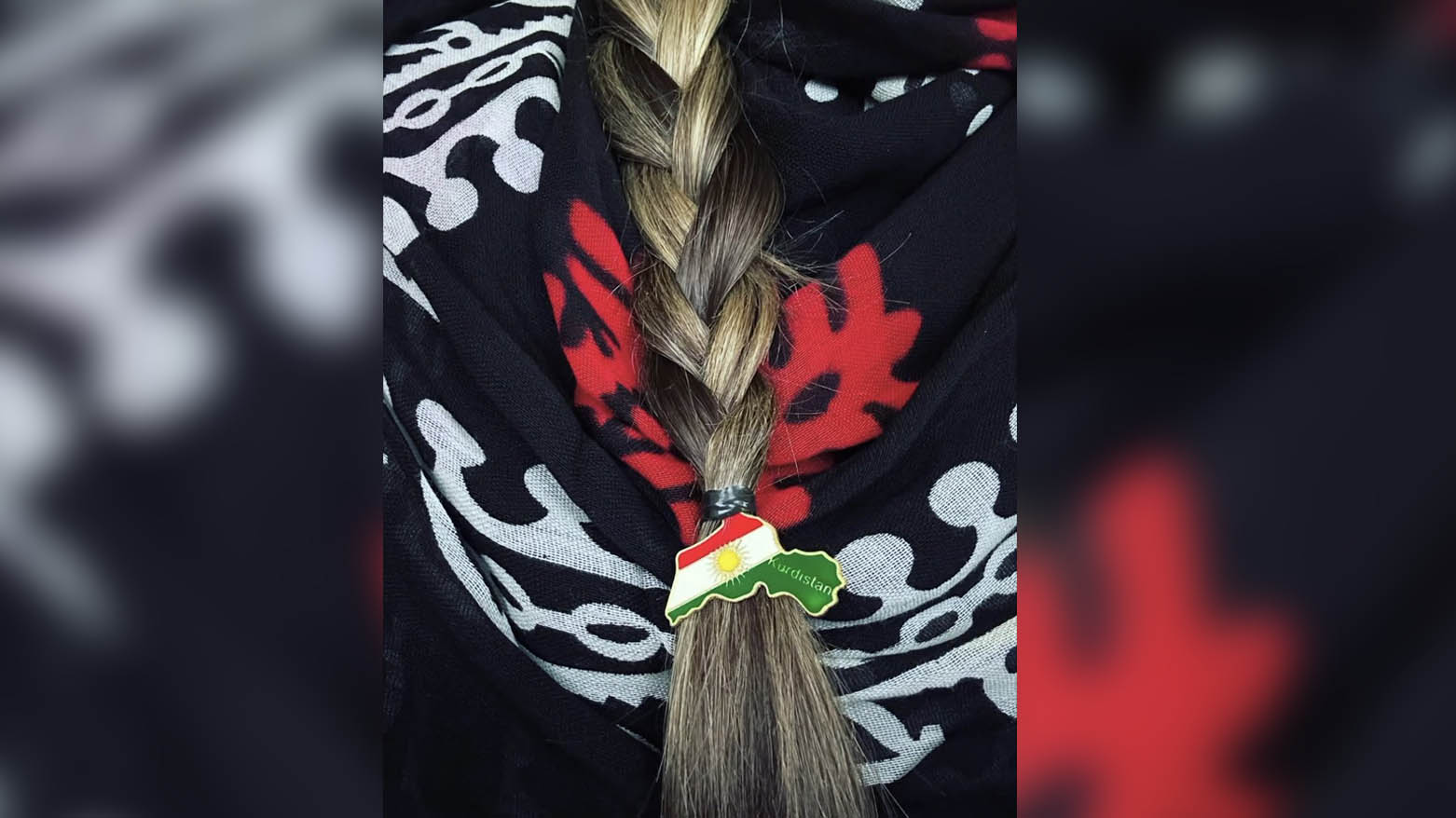
A hair-braiding campaign launched by Kurdish women has been reported as a public act of solidarity and protest after a widely circulated video allegedly showed a Syrian Arab Army (SAA) soldier desecrating the remains of a Kurdish female fighter. According to Kurdistan24, participants frame the act as a response to gendered violence and an assertion of dignity—using hair, one of the most intimate symbols of identity, as a visible form of resistance. While hair stories on beauty pages often sit in the realm of trend or technique, this moment lands squarely in the wider cultural and political meaning of hair: how it can carry grief, defiance, and community memory.
For readers in the UK—where braiding is both a cherished cultural practice and a craft honed in salons and homes—this story also prompts a broader reflection: hair is never “just hair”. Whether worn for faith, heritage, practicality, self-expression, or ceremony, hair can become a language when other forms of speech feel unheard. Below, we unpack what has been reported, why braiding is such a potent symbol, and how to approach conversations around politically charged hair movements with care, accuracy, and respect.
What’s been reported: a campaign rooted in solidarity
Kurdistan24 reports that Kurdish women initiated a hair-braiding campaign in protest at the alleged desecration shown in a video circulating online. The article describes the incident as a war crime and portrays the braiding campaign as a collective response—one that centres dignity for the deceased and strength for the living. In this framing, the braid becomes more than a hairstyle: it is a statement of unity and refusal to be dehumanised.
It’s important to treat such stories with the seriousness they demand. When violence is described in news reporting, beauty and lifestyle coverage should avoid sensationalism, avoid amplifying graphic detail, and stay grounded in what’s credibly reported. We also need to be mindful that the mechanics of braiding—sections, tension, pattern—sit alongside a deeper reality here: the braid is being used as political symbolism under conditions of conflict.
Why braids matter: hair as identity, heritage and resistance
Across many cultures, braids can signify belonging, lineage, age, marital status, community roles, or regional heritage. Even in contemporary styling, braids are often chosen for their protective qualities and versatility—from neat cornrows to intricate plaits designed to last through busy weeks. In contexts of politics and protest, that same recognisability becomes part of the point: braids are seen, understood, and repeatable. Anyone can participate, whether they have long hair, short hair, or choose to braid extensions or accessories into their style.
Historically, hair has been a site where power is exerted—through forced cutting, public shaming, or symbolic control. Conversely, reclaiming hair can be a way of restoring agency. In the UK, we’ve seen how hair becomes a stage for social identity and activism too: from debates about discrimination in workplaces and schools, to communities protecting traditional hair practices and rejecting stigma. The Kurdish braiding campaign—based on the reporting—sits within this broader global story of hair as both personal and political.
From a craft perspective, braids also communicate care: they take time, attention, and technique. That “labour of care” is part of why braided actions—whether ceremonial or protest-based—carry emotional weight. They are done with hands, often in company, often with conversation. In that sense, braiding can function as a community ritual: a repeated gesture that helps people cope, organise, or show support.
What this means for UK hair culture: respect, context and careful conversation
When a hairstyle becomes a symbol of resistance, it can spark complicated reactions. Some readers will see a familiar style—plaits, braids, twists—and feel a strong emotional connection. Others may feel uncertain about discussing it at all. The answer is neither to flatten the story into a “trend” nor to treat hair practices as interchangeable across cultures.
In UK salons, braiding is an established and highly skilled service, particularly within Black British hairdressing traditions and communities where braiding is passed down through generations. Many professionals will tell you that technique and cultural literacy go together: understanding tension, partings, scalp sensitivity, and longevity—but also understanding what styles mean to clients and why certain looks matter. This story is a reminder that hair literacy includes cultural literacy.
For those who want to engage thoughtfully, there are a few practical anchors:
- Lead with listening: If you’re sharing or discussing the campaign, centre Kurdish voices and credible reporting rather than commentary-driven reposts.
- Avoid “trend language”: In contexts of conflict or mourning, describing a symbolic style as a “new look” can come across as dismissive.
- Be precise with sources: Attribute information to the originating outlet (here, Kurdistan24) and avoid repeating unverified claims as fact.
- Keep hair practice safe: If braiding in solidarity, prioritise gentle tension and comfort—protective styling should not cause pain or scalp stress.
- Make it actionable: Consider donating to vetted humanitarian organisations, amplifying reliable journalism, or supporting local community groups—rather than only posting an image.
That last point is the most “real-world” piece: if a story moves you, choose one concrete action you can take within 24 hours—share a verified article with context, have a respectful conversation, or support a credible relief effort. Symbolism matters, but so does follow-through.
Hair, dignity and the ethics of visibility
Because this story is linked to a video described as showing desecration, it also raises difficult questions about what it means to watch, share, or amplify violent content. Many journalists and human rights organisations caution against circulating graphic media, both out of respect for victims and because such content can be used as propaganda or retraumatise communities. If you encounter the footage mentioned in reporting, consider whether sharing it adds understanding—or merely spreads harm.
From a lifestyle perspective, it’s worth naming a truth that stylists often observe in quieter settings: hair is where many people process life—bereavement, breakups, new jobs, identity shifts. In that sense, hair rituals can be protective emotionally as well as physically. Many professionals also recommend approaching scalp and hair changes gently during periods of stress—keeping routines simple, avoiding overly tight styling, and focusing on comfort. This is not to medicalise the story; it’s simply to acknowledge that hair and wellbeing are often entwined in everyday life.
Key Takeaways
- Kurdistan24 reports Kurdish women launched a hair-braiding campaign as a visible protest and act of solidarity following an alleged desecration shown in a circulating video.
- Braids can carry powerful cultural meaning—signalling identity, community, care, and, in some contexts, resistance.
- In the UK, braiding is both a skilled salon craft and a lived cultural practice; engaging with symbolic hair movements requires context and respect.
- Be mindful about amplifying graphic content: sharing violent footage can retraumatise communities and spread harm without adding understanding.
- A practical next step: share a verified report with careful wording, support credible journalism, and—if you braid—prioritise gentle tension and comfort.
Frequently Asked Questions
Is this hair-braiding campaign being described as a beauty trend?
No. Based on the reporting, it is being framed as a protest action and a symbol of solidarity, not a fashion movement.
Why is hair, specifically braiding, used in protest movements?
Hair is a visible marker of identity and culture. Braiding is also communal and repeatable—many people can participate, making it a powerful shared gesture.
How should people in the UK talk about politically symbolic hairstyles respectfully?
Use accurate sources, avoid reducing the action to “a look”, and be attentive to the voices of the community directly involved. Context matters as much as the hairstyle.
Can wearing a braid in solidarity be harmful to hair or scalp?
It can be if the braid is too tight or left in for too long. Many stylists recommend keeping tension gentle, avoiding pain, and taking breaks between tight styles.
What’s a practical way to respond if this story resonates with me?
Share credible reporting with context, avoid reposting graphic footage, and consider supporting vetted humanitarian or journalism organisations covering the region responsibly.
Explore More: Discover related reads from Hairporium — News • Guides • DIYs • Expert Articles.
Stay Updated: Read more UK hair industry news and innovations on Hairporium News.


More in Hair news
FKA twigs’ Grammys hair look fused a bold basketweave structure with spiked loc styling—an editor...
A wig coming loose in the ring has renewed attention on how hair systems cope with sweat, frictio...
A Lincolnshire hairdresser marks a year in business with team growth and a new skills academy, re...
Jarrell Miller’s mid-fight “hair malfunction” went viral — but it’s also a lesson in how hair sys...
Catherine, Princess of Wales, has quietly swapped her signature loose curls for a sleeker, more p...
Charlie Le Mindu’s SS26 return puts hair in the couture spotlight. We unpack what “hairy, furry, ...
A UK tribunal decision reported by The Independent found severe baldness can meet the disability ...
A UK ruling arising from a wigs VAT appeal highlights that severe hair loss can, in context, be r...
Barry Keoghan’s Ringo Starr-inspired haircut is more than a celebrity switch-up: it’s a mastercla...
Barry Keoghan’s mop-top debut for his Ringo Starr role has renewed interest in 60s hair. We break...
View all hair news