

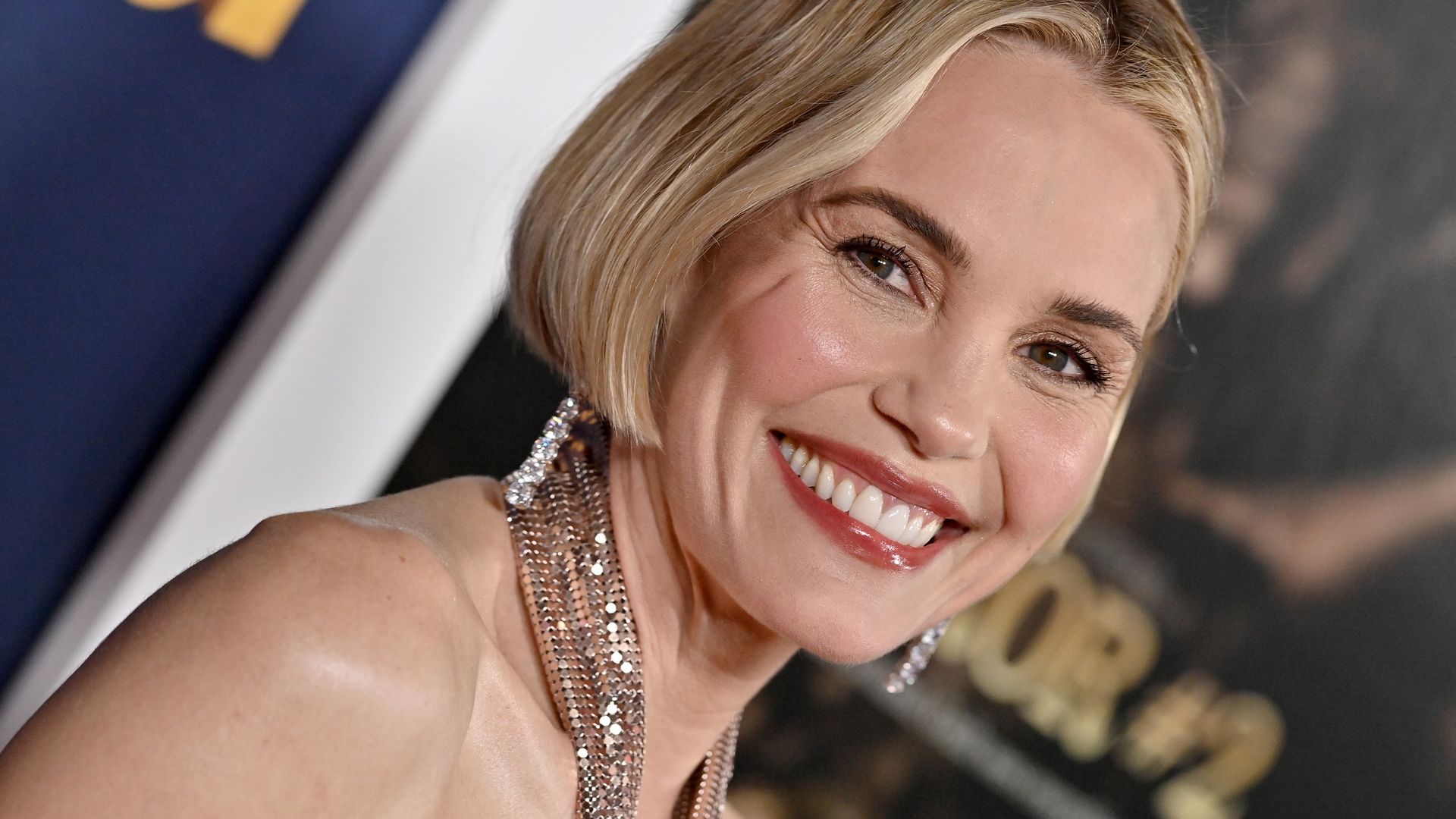
Short hair has a habit of being underestimated—until a celebrity refresh reminds everyone just how changeable it can be. This week, Leslie Bibb revealed a striking new hair transformation that spotlights the power of a well-cut crop: sharp, modern, and adaptable enough to swing from polished to playful with only minor styling tweaks. It’s a timely reminder for anyone in the UK considering a chop (or refreshing an existing one) that the right short cut isn’t “one look”—it’s a wardrobe of looks.
Bibb has long been associated with a short haircut, and the latest update reinforces what many top stylists in London, Manchester and beyond have been saying for years: a strong silhouette plus smart finishing techniques is where short hair truly shines. Whether your goal is to emphasise cheekbones, streamline your routine, or simply feel lighter and fresher for the season, this transformation is a useful reference point—less about copying exactly, more about understanding what makes short hair look expensive and intentional.
Why short hair transformations feel so impactful
Compared with long hair, small adjustments in short styles read as a “transformation” almost instantly. A shift in the parting, a cleaner outline around the ears, or more movement through the crown can change the entire mood of the cut. That’s why a crop can appear dramatically different from one event to the next—even if the length hasn’t changed much at all.
From a professional perspective, the impact usually comes down to three elements:
- Silhouette: the overall shape—rounded, square, tapered, or softly grown-in.
- Texture strategy: whether the cut is blunt and graphic or softly layered to encourage movement.
- Finish: how it’s styled on the day—sleek blow-dry, piecey definition, lived-in wave, or a glossy tuck-behind-ears moment.
In practical terms, if you’re contemplating a short cut, think beyond “short” versus “long”. Bring your stylist reference images that show the finish you like (sleek, airy, undone), because the same cut can be styled to read completely differently. Your next step could be as simple as saving two photos: one with a smooth finish and one with texture, so your stylist can build flexibility into the shape.
The versatility playbook: how to get multiple looks from one cut
Bibb’s transformation lands because it highlights a core truth about short hair: it thrives on small, deliberate changes. Many UK session stylists rely on quick switches—parting changes, targeted heat, and the right finishing product—to move a crop from daytime easy to evening sharp.
Here are reliable, salon-approved ways to change the look of a crop without committing to more cutting:
- Switch the parting: centre part reads modern and editorial; a deep side part can feel more classic and cinematic. Even a half-centimetre shift can lift the root and change facial balance.
- Go “tucked” vs “un-tucked”: tucking one or both sides behind the ears creates instant structure and highlights jewellery and cheekbones.
- Add bend, not curl: a soft bend through the mid-lengths (rather than tight waves) keeps short hair looking chic and not overworked.
- Play with shine: glossy finishes look expensive on short hair, especially under indoor lighting and flash photography.
- Choose your texture: piecey definition can look cool and contemporary; a smooth finish can look strong and minimal.
Real-world practicality: tomorrow morning, try one change only—either a new parting or a different finish (sleek vs textured). Photograph it in natural light so you can note what flatters your face shape and hair density best.
What to ask your stylist if you want a “fresh” crop without going shorter
One of the smartest ways to update a short haircut is to refresh the architecture of the shape while keeping the overall length similar. This is often what makes a celebrity transformation look dramatic: the outline is cleaner, the weight has been redistributed, and the style has been finished with intention.
If you’re in the salon chair and want the “new haircut energy” without a big commitment, consider these stylist prompts (they work in most UK salons):
- “Can we refine the perimeter?” This means sharpening the outline at the nape and around the ears so the cut looks crisp.
- “Can we add or remove weight here?” Tiny changes in weight distribution (especially at the crown or temples) can make hair sit differently.
- “Can we personalise the fringe/front?” The front section is what you see most—adjusting it can make the whole cut feel new.
- “Can you show me two styling options?” Ask for a sleek finish and a textured finish before you leave, so you know what’s possible at home.
A note of caution: if you’re growing out a crop, many stylists recommend “micro-trims” rather than waiting months—just enough to keep the shape intentional while length increases. It’s also worth discussing your natural texture and cowlicks; short hair is famously honest about growth patterns, and a cut that respects them is far easier to style.
Keeping short hair looking polished between appointments
The best short cuts look effortless, but the secret is maintenance—less in time, more in consistency. Because the shape is compact, growth can soften the outline quickly. Many people find that booking regular tidy-ups keeps the cut looking intentional (particularly around the neckline and sideburn area).
At home, you can keep things looking fresh with a simple approach:
- Protect from heat: short hair often gets heat-styled more frequently, so heat protection is a sensible default.
- Use lightweight conditioning: overly heavy products can collapse volume at the root and make fine hair look flat.
- Refresh the finish: a quick blast with a dryer to reset the parting can restore lift in under a minute.
- Consider scalp comfort: if you’re increasing washing or styling frequency, choose gentle cleansing habits; dermatologists often suggest avoiding harsh over-cleansing if the scalp feels tight or irritated.
Short hair also benefits from clarity: if your styling products build up, the cut can lose movement. A periodic clarifying wash (not overdone) can help restore bounce, especially if you rely on waxes or sprays for definition.
Key Takeaways
- A short haircut can deliver multiple “looks” with small changes in parting, texture and finish.
- The most dramatic transformations often come from a refined silhouette and a cleaner perimeter—not simply taking off more length.
- Ask your stylist for two finishing options in the salon (sleek and textured) so you can recreate versatility at home.
- Maintenance matters: regular tidy-ups keep a crop looking intentional as it grows.
- For your next step, try switching your parting or changing the finish tomorrow morning and take a quick photo to see what suits you best.
Frequently Asked Questions
Does short hair suit everyone?
Most people can wear short hair beautifully, but the most flattering version depends on face shape, hair density, natural texture and growth patterns. A good stylist will tailor the silhouette so it complements your features rather than following a one-size-fits-all trend.
How often should I get a short haircut trimmed?
It varies by style and how sharp you like the outline. Many people with crops book regular tidy-ups to keep the shape crisp, particularly around the nape and sides.
How do I make a short cut look less “mumsy” and more modern?
Modern crops tend to look best with a deliberate finish: clean lines, intentional texture, and a parting that suits your face. Ask for movement through the crown, keep the outline neat, and experiment with a sleek or piecey finish rather than a blowy, overly rounded shape.
What’s the easiest way to change my short hair without cutting it?
Switch your parting and change your finish. A deep side part with a glossy smooth set looks very different from a centre part with textured definition—even on the same haircut.
Is it normal for short hair to feel harder to style at first?
Yes. There’s often an adjustment period while you learn what your hair naturally does at this length. Once you’ve found two or three reliable techniques (like resetting your parting with a dryer, or adding light texture), it usually becomes quicker than long-hair styling.
Can I get this kind of look if my hair is fine or naturally textured?
Usually, yes—though the cutting and finishing approach changes. Fine hair often benefits from careful weight placement and lighter products; naturally textured hair may need shape that respects curl patterns and shrinkage. Bring reference photos and discuss your day-to-day routine so the cut fits your lifestyle.
Explore More: Discover related reads from Hairporium — News • Guides • DIYs • Expert Articles.
Stay Updated: Read more UK hair industry news and innovations on Hairporium News.


More in Hair news
FKA twigs’ Grammys hair look fused a bold basketweave structure with spiked loc styling—an editor...
A wig coming loose in the ring has renewed attention on how hair systems cope with sweat, frictio...
A Lincolnshire hairdresser marks a year in business with team growth and a new skills academy, re...
Jarrell Miller’s mid-fight “hair malfunction” went viral — but it’s also a lesson in how hair sys...
Catherine, Princess of Wales, has quietly swapped her signature loose curls for a sleeker, more p...
Charlie Le Mindu’s SS26 return puts hair in the couture spotlight. We unpack what “hairy, furry, ...
A UK tribunal decision reported by The Independent found severe baldness can meet the disability ...
A UK ruling arising from a wigs VAT appeal highlights that severe hair loss can, in context, be r...
Barry Keoghan’s Ringo Starr-inspired haircut is more than a celebrity switch-up: it’s a mastercla...
Barry Keoghan’s mop-top debut for his Ringo Starr role has renewed interest in 60s hair. We break...
View all hair news