

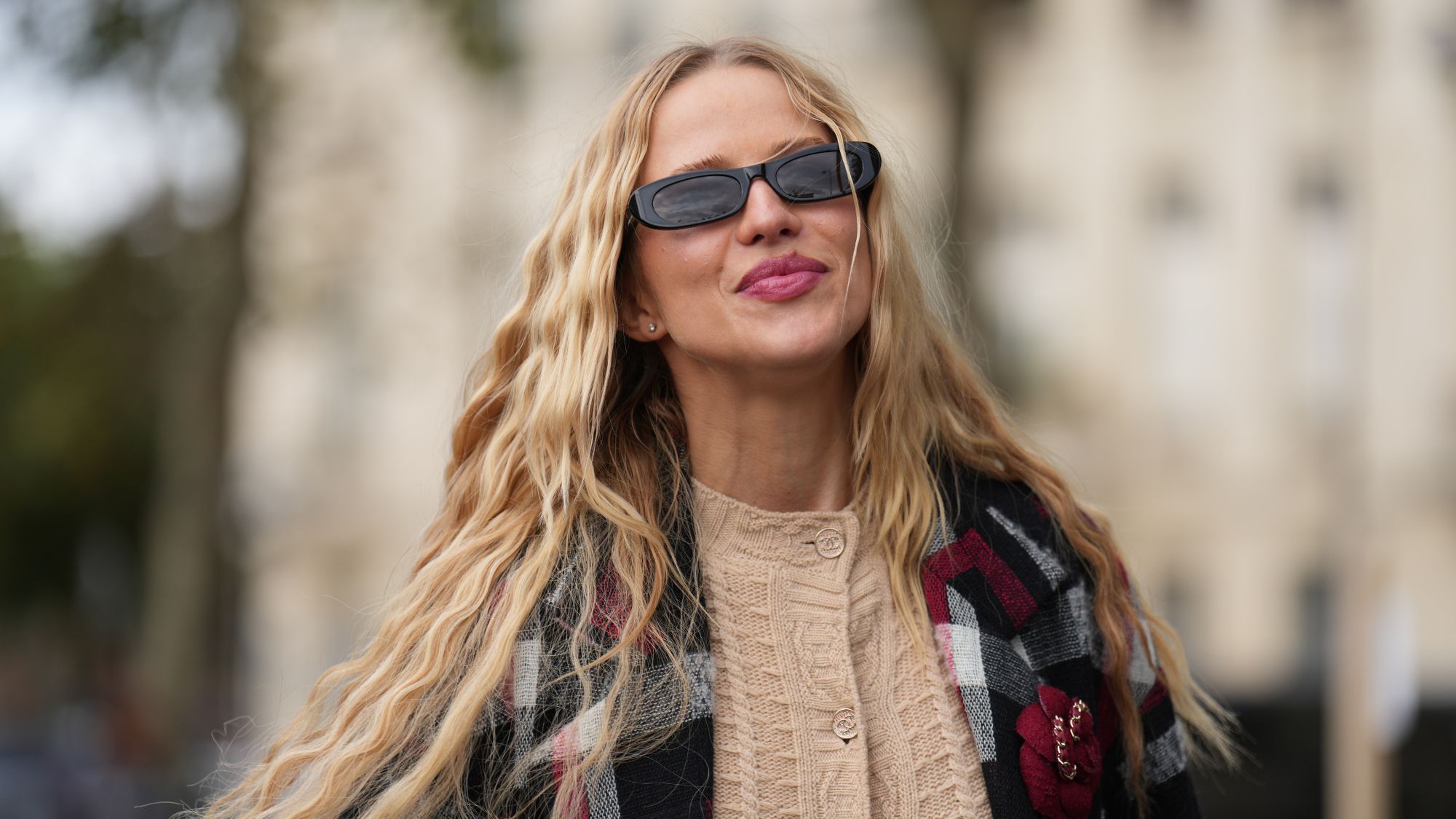
Hair colour always comes with a trade-off: the thrill of a new shade versus the time, cost, and potential stress on the hair fibre that can come with chemical processing. Increasingly, UK salons and clients are looking at a different route—hair colour extensions (sometimes called colour panels, tonal pieces, or blended sets) to shift how a colour reads, without applying dye to the natural hair itself. It’s a subtle but significant “extensions rebrand”: from purely length and volume to colour strategy.
If you’ve ever wanted to try brighter highlights, deeper dimension, a warmer brunette, or even a cooler blonde—without the commitment of lifting, toning, and ongoing root maintenance—this approach is worth understanding. Here’s what hair colour extensions are, why they’re having a moment, and how to use them well (with the practical realities that stylists in the UK will usually flag early on).
What are hair colour extensions, and why are they trending?
Put simply, hair colour extensions are extension pieces chosen primarily for tone and placement rather than dramatic length. That could mean:
- Adding brightness around the face with lighter pieces (a “no-bleach” take on face-framing).
- Creating dimension through multiple tones—think ribbon-like contrast rather than one flat shade.
- Softening or deepening the overall colour read by adding richer lowlights through the mid-lengths and ends.
- Testing a trend (copper, honey, espresso, cool beige) before committing to a permanent change.
In UK salons, this trend aligns with what many colourists have been saying for years: clients want low-commitment beauty—less damage, less maintenance, and more flexibility. Extensions designed for colour can deliver that, particularly for people who are cautious about bleaching, those growing out previous colour, or anyone wanting to protect hair integrity while still switching up their look.
It’s also part of a broader shift in how we talk about extensions. Rather than being seen as “extra” or only for special occasions, colour-led pieces are being treated as a tool in the colourist’s kit—a way to create optical colour change without processing the natural hair.
How colour extensions change your shade (without actually dyeing)
Hair colour is largely about what the eye perceives at a distance: where the lighter pieces sit, how contrast is distributed, and whether the ends look brighter or deeper than the roots. Extensions can influence each of those factors.
1) Face-framing impact
Placing lighter or warmer pieces near the front can shift your overall colour “temperature” instantly—similar to a money-piece effect, but achieved via added hair rather than lift.
2) Mid-length and ends rebalancing
Many people have darker, denser roots and lighter, more weathered ends. Extensions can either enhance that lived-in gradient or correct it—e.g., adding depth through the ends for a glossier, more uniform brunette.
3) Dimension and movement
Multi-tonal extension blending creates separation and shine. This is especially effective on camera (and in winter light), when natural hair can look flatter.
4) Coverage of awkward grow-out
For those in the “in-between” stage—growing out bleach, transitioning to natural grey, or bridging a colour correction—extensions can visually smooth the journey by adding a tone that sits between your current colour and your goal.
Important caveat: while this method avoids dyeing your hair, the extensions themselves are manufactured and coloured. Most salon-grade extension hair is processed to some degree to achieve consistent shades. Many stylists therefore recommend treating extension hair with the same care you’d give coloured hair—gentle cleansing, controlled heat use, and hydration-focused maintenance.
Choosing the right method: tapes, bonds, wefts or clip-ins?
The best method depends on lifestyle, budget, and how “invisible” you need the colour placement to be. In the UK, the most common options include:
- Clip-ins: Great for commitment-phobes and events. They’re the easiest way to trial a tone, but placement can be less seamless if you’re going for ultra-natural, all-day wear.
- Tape-ins: Popular for fine-to-medium hair where you want flatter, discreet attachment points. Many stylists like tapes for colour work because they can be placed strategically like panels.
- Wefts (sewn/weave or micro-weft): Ideal when you want a continuous ribbon of tone and strong blending through the back. Depending on the technique, wefts can be a good option for thicker hair.
- Keratin bonds (fusion): Very customisable placement, often used for nuanced blends. They typically require more time and aftercare discipline.
While people often choose based on comfort and budget, for colour-specific results your stylist will also consider where the tone needs to sit. A face-framing lift might be best with smaller, more targeted pieces; a global colour shift might need more density across the head to change the overall “read”.
Real-world practicality: before you book, take two photos in natural daylight—one from the front and one from the back—and note what you actually want to change (warmer, cooler, lighter around the face, deeper ends). Bring that to a consultation; it saves time and helps your stylist match tones accurately.
Getting a believable blend: what experienced stylists prioritise
Colour extensions live or die by the blend. The goal is not “perfect match” everywhere—natural hair isn’t one shade—but a believable transition between your hair and the added pieces.
Professionals typically focus on:
- Undertone harmony: Ash-on-warm (or warm-on-ash) can look obviously “added”. Matching undertones often matters more than matching darkness level.
- Root-to-mid transition: If your natural roots are significantly darker, adding very light extension hair without a gradient can look stripy. A rooted or multi-tone blend can read more natural.
- Density balance: If the extensions are too dense for your natural hair, the colour effect can look like a helmet. Many stylists customise by mixing shades and adjusting placement.
- Haircut integration: The most expensive hair can still look off if it isn’t cut into your shape. A light “dusting” and face-framing can help the shades melt together.
- Finish and style: Soft waves and bends show dimension; pin-straight hair shows line-of-demarcation more easily. You don’t have to curl daily, but your first reveal style matters.
Also worth noting: if you use purple shampoo or toning products, they can affect extension hair differently. Many stylists advise patch-testing toners on a small section of extension hair first, particularly with very light blondes, to avoid over-toning or grabbing.
Maintenance, longevity and what to watch for
Because colour extensions are a “no dye” approach, it’s tempting to assume they’re also “no upkeep”. In reality, the upkeep simply moves from the colour chair to daily care.
- Brushing: Use a gentle detangling brush and start at the ends, working upwards; hold the root area to avoid tugging attachments.
- Heat styling: Keep temperatures moderate and use heat protection; extension hair can dry out faster than natural hair.
- Washing: Avoid aggressively scrubbing at the attachment points. Many stylists recommend focusing shampoo on the scalp and conditioner through mid-lengths and ends.
- Swimming and holidays: Chlorine, salt, and sun can shift tone. Wet hair with fresh water first, use a protective style, and rinse promptly after.
- Refits/maintenance appointments: Expect regular salon check-ins depending on method—your stylist will advise a schedule that suits hair growth and reduces tangling risk.
If you notice persistent itching, soreness, or unusual shedding, it’s sensible to pause and speak to your stylist. While many people wear extensions comfortably, scalp sensitivity varies—and a personalised approach is best.
Key Takeaways
- Hair colour extensions can shift how your shade looks—adding brightness, depth, or dimension—without applying dye to your natural hair.
- The most natural results come from matching undertones and using multi-tone blending rather than chasing a single “perfect” shade match.
- Method matters: clip-ins suit trials, while tapes/wefts/bonds allow more seamless, longer-wear colour placement.
- Maintenance is still essential; treat extension hair like coloured hair with gentle washing, careful brushing, and controlled heat.
- Your next step: book a consultation and bring daylight photos plus a clear goal (warmer, cooler, brighter around the face, or deeper ends).
Frequently Asked Questions
Can extensions really change my hair colour without dye?
They can change how your colour is perceived by adding lighter or darker pieces in strategic areas. Your natural hair colour remains the same, but the overall effect can look like highlights, lowlights, or a tonal shift.
Will colour extensions look obvious?
They can if undertones clash or placement is too uniform. A professional blend—often using two or more shades—usually looks more natural than a single block of contrast.
Are colour extensions a safer option than bleaching?
They avoid chemical processing on your natural hair, which some people prefer when prioritising hair integrity. However, extensions still require careful installation and aftercare to keep hair and scalp comfortable.
What’s the easiest way to try the trend?
Clip-ins are the simplest entry point for experimenting with tone. If you love the effect and want it daily, a salon consultation can help you choose a longer-wear method.
Can I tone or colour the extensions at home?
It’s possible, but results can be unpredictable because extension hair may react differently to pigments. Many stylists recommend professional toning or, at minimum, testing on a hidden strand first.
How long do colour extensions last?
Longevity depends on the hair quality, method, and how you care for them. Your stylist should set realistic expectations and a maintenance schedule based on your hair type and lifestyle.
Explore More: Discover related reads from Hairporium — News • Guides • DIYs • Expert Articles.
Learn More: Explore detailed haircare routines and styling tips at Hairporium Guides.


More in Hair guides
A viral-style UK anecdote claims a barber thought a client had a transplant after two months on a...
Hair oils can improve shine and reduce breakage—key for retaining length. Here’s what “growth oil...
The French bob is chic for a reason: a clean outline, clever proportion and a softly undone finis...
A clever pre-wash tumble-dryer step can loosen pet hair from clothes—cutting down lint, improving...
A UK Boots deal has shoppers raving about a £15 hair growth serum. Here’s what those “denser hair...
Clarifying shampoo can reset curls by lifting product and hard-water build-up, helping definition...
Courtney Stodden’s new hair colour is a timely prompt for a new-year refresh. Here’s how to descr...
A stylist-informed, no-heat air-dry routine for fine hair that builds root lift and natural waves...
Polygonum multiflorum is trending as a potential hair-loss helper. Here’s what the research may m...
Silk and satin bonnets can help protect hair from overnight friction, preserving styles and reduc...
View all hair guides