

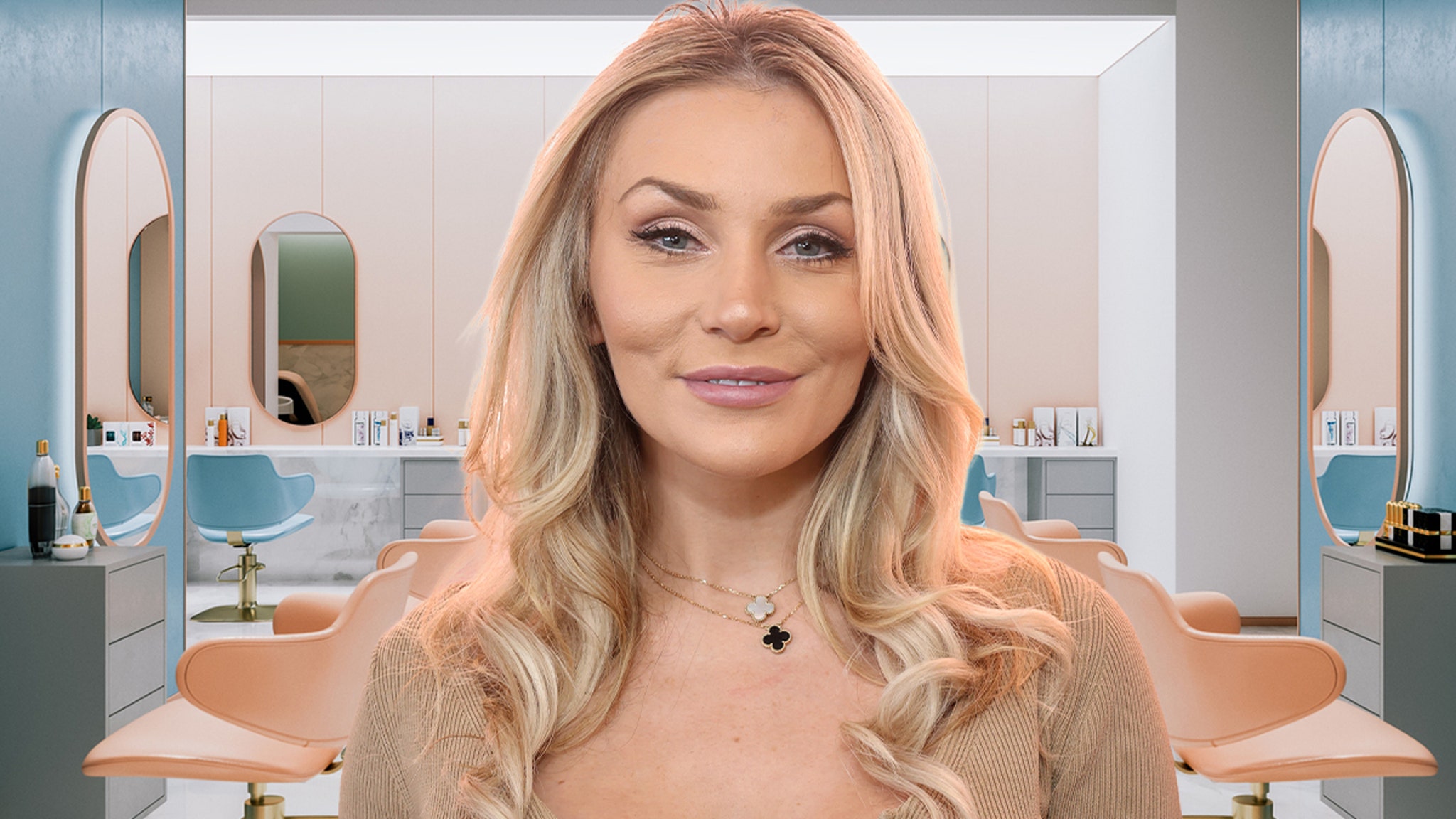
A new year has a way of prompting a reset, and Courtney Stodden appears to be leaning into that mood with a fresh hair colour reveal, shared alongside a bold poolside look. While celebrity hair moments are often framed as a dramatic “before and after”, the most useful takeaway for everyday readers is simpler: what does a change like this actually involve at the salon, and how can you get a similar impact without compromising the condition of your hair?
The TMZ item notes Stodden is making a “cosmetic” change early in the year, and for many people that’s exactly when colour appointments spike in the UK too. Colour can feel like the quickest route to a new vibe, but the best results come from clear consultation language, a realistic maintenance plan, and techniques that respect the hair’s integrity.
Why a “new hair colour” moment works (and what it means technically)
Whether the look is a richer brunette, a brighter blonde, a copper shift, or a higher-contrast statement tone, what reads as “new” to the eye usually comes down to one (or more) of the following: a change in overall depth, a shift in undertone (warm vs cool), a lift in brightness, or a different placement of light and dark (think balayage vs highlights).
In UK salons, stylists often begin by identifying your natural base level (how light/dark your hair naturally is) and any existing colour history. That’s because hair that’s previously coloured behaves differently from virgin hair, particularly when you’re trying to go lighter or when you want a glossy, even tone.
It’s also worth remembering that celebrity images can be taken in flattering light, edited, or shot immediately after styling. In real life, a colour looks different in bathroom lighting, on a grey day, and after a few washes. A good colourist will talk you through those variables and aim for a tone you’ll love in your everyday reality, not just on Instagram.
How to describe the colour to your stylist: the consultation language that helps
One of the biggest causes of colour disappointment is vague requests. “Make me blonder” or “I want a big change” can mean ten different things. Instead, take a screenshot (or two) and translate it into practical parameters your stylist can work with.
- Depth: Do you want to go lighter overall, darker overall, or keep the same depth with a different tone?
- Tone: Are you drawn to warm (golden, honey, copper) or cool (ashy, beige, pearl) finishes?
- Placement: Do you want dimension (balayage, foilyage, highlights) or a solid global colour?
- Contrast: Soft and blended, or high-impact with noticeable light pieces?
- Finish: Glossy and reflective, or matte and muted?
Many stylists in the UK will also ask about your wardrobe colours, how you normally wear your hair (straight, waves, curly definition), and how often you heat-style. These details matter: certain tones pop more with certain styling techniques, and frequent heat can affect how long a glossy toner lasts.
Practical next step: Before you book, gather 3 images: one “dream” colour, one that shows the colour in natural light, and one of someone with a similar base colour/skin tone. It makes your consultation far more efficient.
Keeping hair condition front and centre: what professionals usually prioritise
Big colour changes can be done beautifully, but the healthiest-looking results are almost always the ones that treat hair condition as the non-negotiable. If the shift involves lightening, your stylist may recommend spacing sessions, especially if you have previous box dye, dark permanent colour, or compromised ends. This isn’t about being cautious for caution’s sake; it’s about managing lift evenly and keeping the hair fibre resilient.
In UK salons, you’ll often hear talk of “bonding” services or strength-focused treatments as part of a colour appointment. While you should be wary of miracle claims, many professionals find that targeted conditioning and damage-limiting services can support softness and manageability after chemical work. At-home, consistent conditioning and gentle handling can make just as much difference to how your colour wears.
Also: if you’re chasing a high-shine celebrity finish, toner and gloss services are doing a lot of that heavy lifting. A gloss can refine brassiness, deepen richness, or add a reflective sheen, but it’s not permanent. Plan for refreshes if you want that “fresh from the chair” look to last.
Maintenance that fits real life: washes, heat and salon top-ups
The most “newsworthy” part of any celebrity hair change is the reveal, but the most useful part is the upkeep. In the UK, water hardness (hello, limescale) can influence how quickly blonde tones go brassy and how dull hair looks between appointments. Your routine doesn’t have to be complicated, but it should be intentional.
- Washing frequency: If you can, avoid daily shampooing; it can fade toners and glosses faster.
- Temperature: Lukewarm water is typically kinder to colour than very hot water.
- Heat styling: Keep temperatures moderate and be consistent with heat protection.
- Sun and chlorine: UV and pool water can shift tone; consider wetting hair before swimming and rinsing immediately after.
- Regular trims: Colour looks more expensive when the ends look healthy.
If you’ve opted for a significant tone shift, it’s wise to discuss a refresh schedule upfront. Some looks need a salon toner every 6–8 weeks; others (like softer balayage) can grow out more gracefully with fewer visits. The right plan depends on the technique and your tolerance for visible regrowth.
Key Takeaways
- What reads as a “new hair colour” is usually a change in depth, undertone, brightness, or placement of light and dark.
- Bring reference photos and describe your goal using clear terms: tone (warm/cool), contrast, placement, and finish.
- Hair history matters; previously coloured hair may need a slower, staged approach to achieve an even result.
- Gloss/toner services often create that glossy celebrity effect, but they typically need regular refreshes.
- For a realistic maintenance plan, factor in wash habits, heat styling, water hardness, and how often you’re happy to visit the salon.
Frequently Asked Questions
How do I know if my hair can handle a dramatic colour change?
A stylist will usually assess elasticity, breakage, and how your hair responds when wet and dry, plus your colour history. If you’ve used permanent dark dyes or have compromised ends, a phased plan may be recommended to protect condition.
What should I ask for if I want a “big change” without constant root upkeep?
Ask about lived-in colour techniques such as balayage, foilyage, or a rooted blonde/bronde approach. These can make regrowth softer and extend time between appointments, depending on your starting point.
Why does my blonde go yellow or brassy in between salon visits?
Brassiness can come from natural underlying pigments showing through as toner fades, plus environmental factors like hard water, heat, and UV. Many colourists suggest periodic toning and a routine that protects shine and reduces buildup.
Is a gloss the same as a permanent colour?
Not usually. A gloss or toner is commonly used to refine tone and add shine, and it tends to fade gradually over several weeks. Permanent colour changes the underlying colour more significantly and grows out differently.
How can I make my colour look more expensive day-to-day?
Healthy ends, controlled frizz, and shine make the biggest visual difference. Keep heat sensible, use a conditioning routine that suits your hair type, and book trims so the colour looks polished rather than tired.
Explore More: Discover related reads from Hairporium — News • Guides • DIYs • Expert Articles.
Learn More: Explore detailed haircare routines and styling tips at Hairporium Guides.


More in Hair guides
Clarifying shampoo can reset curls by lifting product and hard-water build-up, helping definition...
A stylist-informed, no-heat air-dry routine for fine hair that builds root lift and natural waves...
Polygonum multiflorum is trending as a potential hair-loss helper. Here’s what the research may m...
Silk and satin bonnets can help protect hair from overnight friction, preserving styles and reduc...
Silk pillowcases are everywhere in beauty sleep chats. Here’s what they can realistically do for ...
Mousse, hairspray, dry shampoo and hair oil can transform hair — but only if you use them correct...
Celebrity “glossy hair” headlines are everywhere, but shine is mostly about technique and cuticle...
Dermatologist-informed guidance on how often to wash your hair, based on scalp type, texture, lif...
A discounted “Dyson dupe” hair dryer is making headlines — here’s how to judge lookalike dryers p...
Sara Cox’s “86p-a-day” hair supplement recommendation has renewed interest in budget beauty vitam...
View all hair guides