

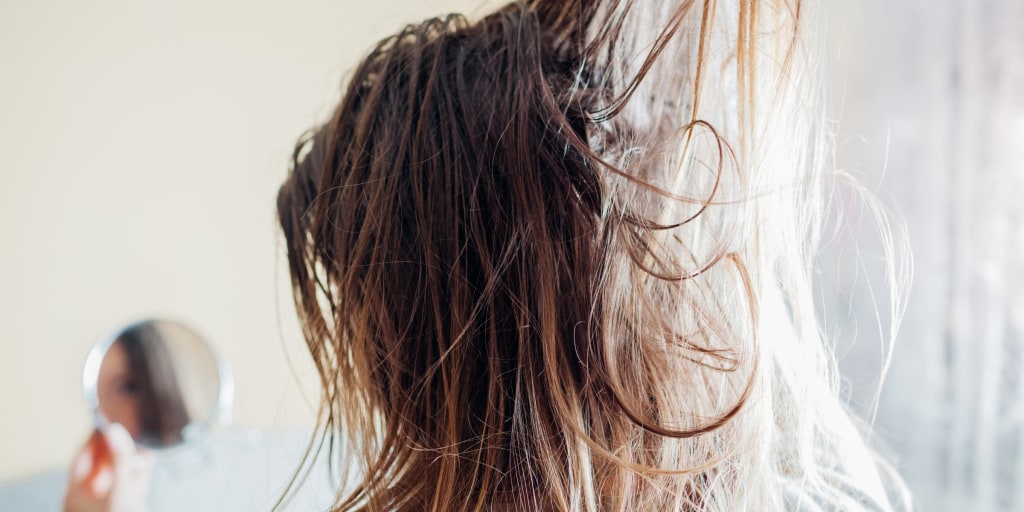
Greasy roots that seem to show up within hours can feel like a never-ending cycle: wash, dry, style… and still, the shine at the scalp creeps back in fast. As highlighted in a recent NBC News Select explainer, oiliness is rarely about “dirty hair” alone. Your scalp’s sebum production is influenced by genetics, hormones and lifestyle, and the fix is usually a smarter routine rather than harsher washing.
In UK salons, “greasy hair” is one of the most common concerns we hear—especially from clients with finer hair, those who train frequently, or anyone who’s recently changed contraception, moved house (hard water can be a factor), or adjusted their styling routine. The goal is balance: keeping the scalp comfortable while preventing product and oil build-up that makes roots collapse and look slick.
Why your hair gets greasy so fast (and what’s normal)
Oil (sebum) is produced by sebaceous glands connected to your hair follicles. It’s not the enemy—sebum helps protect the scalp and hair fibre. But when it’s produced in excess, spreads quickly through the roots, or mixes with sweat and styling residue, hair can look greasy sooner than you’d like.
Common, non-alarming reasons many professionals point to include:
- Genetics: Some people naturally produce more sebum or have hair that shows oil more readily (often fine or straight hair).
- Hormonal shifts: Puberty, menstrual cycle changes, pregnancy/postpartum changes and perimenopause can alter oil production. Some people also notice changes after starting or stopping hormonal contraception.
- Over-cleansing: Washing too frequently or using very strong shampoos can leave the scalp feeling stripped; in response, it may produce oil more quickly.
- Product build-up: Heavy conditioners, oils, serums, dry shampoo overuse and styling creams can accumulate at the roots and mimic greasiness.
- Sweat and lifestyle: Frequent workouts, hats/helmets, commuting, and touching your hair can spread oil and flatten the roots.
- Water quality: In hard-water areas (common across the UK), mineral deposits can make hair feel coated, causing roots to look limp and oily even after washing.
If greasiness comes with persistent itching, soreness, flaking that doesn’t improve, or inflamed patches, it’s sensible to speak to a pharmacist or GP for tailored advice—especially if symptoms are new or worsening. Many scalp concerns overlap, and it’s best not to self-diagnose.
Wash-day technique: small changes that make a big difference
When hair gets greasy quickly, the instinct is to scrub harder and shampoo more often. Counterintuitively, your best results often come from a gentler, more methodical wash routine. Stylists frequently recommend focusing on the scalp (where oil is produced) and protecting the lengths (which are usually drier).
- Shampoo twice: First cleanse lifts surface oil; the second actually cleans the scalp. Use less product than you think and add more water to emulsify.
- Concentrate on your scalp: Massage with fingertips (not nails) for 60–90 seconds, especially around the hairline, crown and nape.
- Rinse longer: Residue can make roots look greasy. Aim for an extra 30–60 seconds of rinsing.
- Condition mid-lengths to ends only: Keep richer formulas off the scalp unless a professional has told you otherwise.
- Don’t “pile” conditioner on wash days: If you’re also using a leave-in, oil, and a styling cream, you may simply be overloading the root area.
Real-world next step: On your next wash day, time your rinse and add a second shampoo. It’s one of the fastest, lowest-effort ways to see whether the issue is cleansing (rather than oil production alone).
Choosing the right products (without overdoing it)
People with oily roots often rotate between “ultra-clarifying” and “ultra-hydrating” products, which can create a swing between scalp oiliness and dry, frizzy lengths. A more consistent approach is usually easier to maintain.
Look for routines that prioritise:
- A balancing shampoo for regular use—one that cleans effectively without leaving the scalp squeaky tight.
- A clarifying shampoo used occasionally, especially if you use dry shampoo, hairspray, or swim. Many stylists suggest weekly to fortnightly depending on build-up and hair texture.
- Lightweight conditioners if your hair is fine, and richer formulas only on the ends if you heat-style or colour your hair.
Dry shampoo can be helpful, but technique matters. Apply it to clean, dry hair before grease becomes obvious (often the night before), focus on roots, and brush through thoroughly. Layering it day after day can create a powder-and-sebum paste that makes hair feel heavier and look dull. If you’re relying on it daily, consider it a sign your wash routine (or product selection) needs a reset.
If you live in a hard-water area and hair feels coated, a chelating/clarifying wash on occasion can help remove mineral build-up. You don’t need to guess: if your hair feels clean but still looks flat at the roots, water and residue are worth considering alongside oil production.
Everyday habits that keep roots fresher for longer
Quick greasiness isn’t always solved in the shower. Small daily behaviours can accelerate oil spread through the hair—or help you extend the “fresh” look by a day or two.
- Hands off your hair: Touching and twirling transfers oil and disrupts root lift.
- Clean your brush regularly: Brushes collect sebum and styling residue and can redistribute it back onto clean hair.
- Mind your pillowcase: Regularly changing pillowcases can reduce the build-up of oils and product residue against the hairline.
- Adjust heat styling: Heavy oils and high-shine finishing products can make roots look greasier. Use them sparingly and keep them away from the scalp.
- Try a style switch: A centre part can make oil look more obvious on some hair types. A softer side part or adding root lift can camouflage greasiness without extra product.
Also consider your workout routine and commute: sweat plus occlusion from hats/hoods can flatten roots quickly. If you can’t wash after exercise, a cool blow-dry at the roots (even for 60 seconds) can reduce the “damp-to-greasy” look better than piling on more dry shampoo.
Key Takeaways
- Greasy hair is often driven by genetics, hormones, lifestyle and product build-up—not poor hygiene.
- Technique matters: shampooing twice and rinsing thoroughly can noticeably improve oily roots.
- Keep conditioner and rich stylers off the scalp; focus nourishment on mid-lengths and ends.
- Use dry shampoo strategically (ideally before oil shows) and avoid heavy layering for multiple days.
- If greasiness comes with persistent irritation or unusual scalp changes, seek professional advice rather than guessing.
Frequently Asked Questions
How often should I wash my hair if it gets greasy quickly?
There isn’t a one-size schedule. Many people do well washing every other day, but some need daily cleansing—especially with fine hair or frequent workouts. The key is choosing a shampoo that cleans effectively without stripping and using good technique (including a thorough rinse).
Does washing less “train” your hair to be less greasy?
Oil production is largely influenced by biology (including hormones and genetics). Some people find that reducing over-cleansing improves comfort and reduces the rebound “stripped” feeling, but it doesn’t reliably reprogram sebum glands. Aim for balance rather than forcing long gaps between washes.
Why is my hair greasy at the roots but dry at the ends?
This is extremely common: the scalp produces oil at the roots, while ends may be dehydrated from heat styling, colouring, UV exposure or friction. Adjust by focusing shampoo on the scalp and using conditioner only from mid-lengths to ends.
Can dry shampoo make greasy hair worse?
It can if it’s layered day after day without a proper cleanse. Dry shampoo absorbs oil, but it also adds residue that can build up and make hair feel heavier. Applying it early (before hair looks oily) and washing it out regularly tends to work best.
Is greasy hair a sign of a scalp condition?
Often it’s just normal variation in oil production, but if you have persistent itching, soreness, inflammation, or heavy flaking, it’s worth speaking to a pharmacist, GP or dermatologist for personalised guidance.
Explore More: Discover related reads from Hairporium — News • Guides • DIYs • Expert Articles.
Learn More: Explore detailed haircare routines and styling tips at Hairporium Guides.


More in Hair guides
Hair can hold an environmental “fingerprint”. Here’s what the Johannesburg mining-dust research i...
Winter hair shedding can feel alarming, but it’s often a mix of normal shedding and seasonal brea...
From heat overload to rough wet-hair handling, these stylist-backed habit changes can make hair l...
With spring dress season approaching, many UK beauty fans are rethinking shaving. Here’s what raz...
A practical, stylist-led look at what “hair growth” serums can really do—plus the daily habits th...
Lily Collins’ rare photos of her daughter’s first birthday have reignited interest in early curl ...
Long hair is built through retention: smart cleansing, conditioning, gentle handling, and heat/fr...
Winter can leave hair brittle and the scalp tight or flaky. Here are six practical, stylist-infor...
Margot Robbie’s “Wuthering Heights” waves are soft, romantic bends with a windswept finish. Here’...
A multi-texture test of a new air-dry curl cream spotlights what really matters: technique. Here’...
View all hair guides