

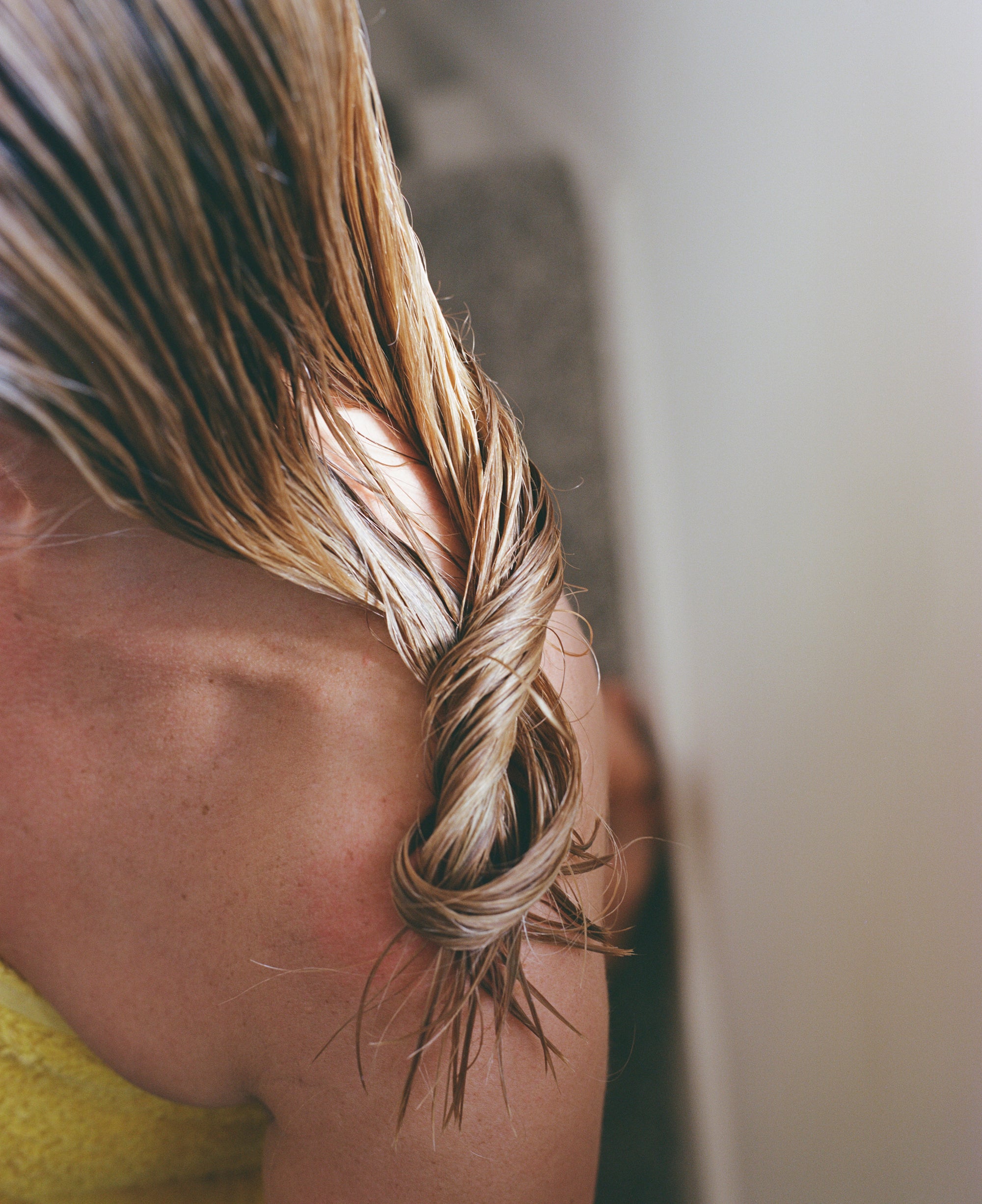
If you’ve noticed more strands on your pillowcase, in the shower drain, or wrapped around your bobble once the temperature drops, you’re not imagining it. “Winter hair shedding” is a phrase that comes around every year, and while it’s often dismissed as a beauty myth, many people do report a seasonal shift in how much hair they lose or how thin their ponytail feels. The helpful reality: increased shedding in winter is usually manageable, and it doesn’t automatically mean you’re experiencing permanent hair loss.
In practice, what people call winter shedding is often a mix of normal hair-cycle changes, breakage (which looks like shedding), and lifestyle factors that peak during colder months — think indoor heating, hat friction, lower humidity, and hair routines that become more rushed. Below, we’ll unpack what’s happening, how to tell shedding from breakage, and the most stylist-approved ways to support your lengths through winter without panic.
Is winter hair shedding real — or just more noticeable?
Hair naturally cycles through growth (anagen), transition (catagen), and resting/shedding (telogen). At any given moment, it’s considered normal to shed a certain number of hairs each day — and most of us only really clock it when we see the fallout collecting in places we can’t ignore (the shower, your brush, dark knitwear).
What can make winter feel like a “shedding season” is that colder weather amplifies the conditions that lead to visible hair fall:
- Dry air and indoor heating can make hair less elastic and more prone to snapping, which is easily mistaken for shedding.
- More frequent friction from scarves, coats and beanies can roughen the cuticle and increase tangling and breakage.
- Less daylight and routine changes (travel, stress, disrupted sleep) can affect the scalp and hair cycle for some people.
It’s also worth noting that some people see seasonal variation across the year due to normal biological rhythms. Even when that’s the case, it’s typically temporary. If your hair is shedding more but you’re otherwise well, it often settles once weather and routines stabilise.
Shedding vs breakage: how to tell what you’re dealing with
This is the single most useful distinction to make, because the fix depends on the cause. A trichologist or experienced stylist will usually start here: are hairs falling from the root (shedding) or snapping along the length (breakage)?
- Shedding tends to show up as full-length hairs. If you look closely, you may see a tiny white bulb at one end (the root). You’ll notice it most when washing, brushing, or running fingers through the hair.
- Breakage often presents as shorter pieces of hair, frizz that won’t smooth down, tangling at the ends, and a ponytail that feels thinner even if your parting looks the same.
In winter, breakage can be the main culprit because dryness reduces flexibility. Colour-treated hair, heat-styled hair, and naturally textured hair that’s prone to dryness may be more vulnerable if hydration and protection aren’t prioritised.
Real-world check you can do today: collect a few of the hairs you’re losing after brushing. If many are short and uneven, focus on breakage prevention. If they’re mostly long with a bulb, focus on scalp comfort and gentle handling.
What winter does to your hair and scalp (and why it matters)
Cold months change the environment your hair lives in. Outside, temperatures drop and humidity can be low; inside, central heating dries the air out even further. That combination can affect both the hair fibre and the scalp’s comfort levels.
On the hair lengths: Hair is hygroscopic (it interacts with water). When the air is dry, hair can feel rougher and more brittle; the cuticle can lift, tangles increase, and you may see more friction-related damage. If you’re also blow-drying more because hair takes longer to air-dry in winter, heat exposure can stack up quickly.
On the scalp: Many people experience seasonal scalp dryness, itch, or flaking in winter. While flakes don’t automatically mean dandruff, irritation can lead to more scratching and mechanical disruption at the roots — which doesn’t help if you’re already anxious about shedding. Dermatologists often suggest keeping the scalp skin-barrier supported and avoiding overly harsh cleansing if dryness is an issue.
Importantly, if you ever notice sudden, heavy shedding, bald patches, scalp pain, or symptoms lasting beyond a few months, it’s sensible to speak to a GP or a dermatologist — especially if you’ve recently been unwell, had a major stressor, or changed medication. This article is educational, not diagnostic, but you deserve tailored support when hair fall feels dramatic or persistent.
How to manage winter shedding: stylist-approved habits that help
The aim is to reduce unnecessary breakage, keep the scalp comfortable, and handle hair more gently so normal shedding doesn’t feel catastrophic. These practical steps are widely recommended in salon settings because they address the most common winter triggers.
- Wash gently — and as often as your scalp needs. If you’re washing less in winter, ensure you’re cleansing properly when you do. Product build-up can make the scalp feel itchy, leading to more scratching and tangling at the roots.
- Condition like it’s your job. Apply conditioner primarily mid-lengths to ends, where winter dryness shows first. If you’re prone to tangles, use a wide-tooth comb in the shower to distribute and detangle with slip.
- Add a weekly mask or bond-support step. Many stylists recommend alternating moisture-focused masks with strengthening treatments, particularly for coloured or heat-styled hair. The goal is resilience, not stiffness.
- Detangle strategically. Start at the ends and work up. Avoid yanking through knots, especially after wearing scarves or high collars.
- Reduce friction. Choose smooth-lined hats (satin is ideal) or tuck hair into a low braid before putting on woolly layers. At night, consider a satin pillowcase to reduce tangling.
- Heat-style with intention. Use heat protection, keep tools at the lowest effective temperature, and avoid repeated passes. If you’re blow-drying, focus heat at the roots for speed and smooth the ends with cooler airflow.
- Be mindful with tight styles. If you’re seeing shedding around the hairline, rotate styles and avoid constant tension from slick ponytails or tight buns.
A quick, doable next step: for the next two washes, brush before you shower (to remove loose shed hairs), then detangle with conditioner and a wide-tooth comb. Many people find the post-wash shedding looks less alarming when loose hairs are removed more gently upfront.
Key Takeaways
- “Winter shedding” can be a mix of normal hair-cycle shedding and increased breakage driven by dryness and friction.
- Check the strand: long hairs with a bulb suggest shedding; shorter snapped pieces point to breakage.
- Winter air plus indoor heating can reduce hair’s elasticity, making gentle handling and conditioning crucial.
- Reduce friction from hats and scarves, detangle from ends upwards, and keep heat styling controlled.
- If shedding is sudden, patchy, painful, or persists for months, consider speaking to a GP or dermatologist for personalised advice.
Frequently Asked Questions
How much hair is “normal” to shed in winter?
Hair shedding varies person to person. Many people shed more on wash days because hairs that were already ready to fall are released together. If your overall density looks stable and shedding settles within weeks, it’s often within the range of normal seasonal change.
Why do I see more hair fall after wearing hats and scarves?
It’s usually friction and tangling. Hats and scarves can rub the cuticle, create knots, and make hair more likely to snap during removal or detangling. A smoother lining and a protective style (like a loose braid) can help.
Can washing my hair less reduce shedding?
Washing less doesn’t stop shedding — it can simply delay when you see the shed hairs. If you’re washing less often, focus on gentle but thorough cleansing and careful detangling to prevent breakage from build-up and knots.
Does dry scalp cause hair loss?
Dryness alone doesn’t typically cause permanent hair loss, but discomfort can lead to scratching and inflammation, which may worsen the appearance of shedding. If you have persistent flakes, soreness, or redness, it’s worth seeking professional advice.
What hairstyle is best when my hair is shedding more?
Low-tension styles are generally best: loose braids, low ponytails, or soft buns. Avoid tight elastics and heavy extensions if your hairline feels sensitive.
When should I worry and seek help?
If shedding is sudden and heavy, you notice bald patches or widening parting, your scalp is painful, or the issue lasts beyond a few months, a GP, dermatologist, or trichologist can help assess what’s driving it.
Explore More: Discover related reads from Hairporium — News • Guides • DIYs • Expert Articles.
Learn More: Explore detailed haircare routines and styling tips at Hairporium Guides.


More in Hair guides
Greasy roots aren’t just about washing more. Here’s what drives oiliness—plus practical, stylist-...
Hair can hold an environmental “fingerprint”. Here’s what the Johannesburg mining-dust research i...
From heat overload to rough wet-hair handling, these stylist-backed habit changes can make hair l...
With spring dress season approaching, many UK beauty fans are rethinking shaving. Here’s what raz...
A practical, stylist-led look at what “hair growth” serums can really do—plus the daily habits th...
Lily Collins’ rare photos of her daughter’s first birthday have reignited interest in early curl ...
Long hair is built through retention: smart cleansing, conditioning, gentle handling, and heat/fr...
Winter can leave hair brittle and the scalp tight or flaky. Here are six practical, stylist-infor...
Margot Robbie’s “Wuthering Heights” waves are soft, romantic bends with a windswept finish. Here’...
A multi-texture test of a new air-dry curl cream spotlights what really matters: technique. Here’...
View all hair guides